The program aims to bring lifestyle change to the African American whose eating habit has subjected them to be prone to lifestyle diseases like Obesity, hypertension, cancer and other diseases related to eating an unhealthy diet. The vision of the program would be “to inspire a healthy eating lifestyle amongst the African American Community in America” and the mission would be “to enable African American Community to treasure healthy diet” The program will run with the slogan “Eat healthy live longer”. The program will be designed to guarantee a healthy community in the African American culture.
According to Stephens (2005), lifestyle diseases like excess weight and obesity are substantial public health and clinical issue that occur majorly as a result of unhealthy eating and lack of physical exercise, but majorly on eating an unbalanced diet. Lemelle et al (2011), further states that deviations in fruit and vegetable intake amongst the African Americans, are associated to the environmental resources whereby access to grocery stores and vegetable market is limited and also the personal zeal to stick to healthy lifestyle faded making the community vulnerable.
The changes in the health behaviour of the African American society in Philadelphia play a major role in the increase of the lifestyle diseases like obesity and overweight condition as there lifestyle has subjected them to choose junk and processed meals which is equally risky(Dixon & Wilson, 1994). The earlier interventions for the change of the poor eating habits and prevention of lifestyle diseases as a result of it included a random trial of weight loss programs as well as interventions designed to improve dietary behaviour through an improved knowledge based on a recommendation for eating a balanced diet on every meal. Churches dominated by African American have also used motivation speakers to pass the information on good eating and recommendable diet.
Though started conducted by CDC shows the reduction in the death rate amongst African American by 25% for those aged seventeen years and above, the CDC discovered a trend of increase in chronic conditions like cancer and obesity which is associated to lifestyle change (Center for Disease Control., & Center for Chronic Disease Prevention and Health Promotion, 1994). The study also indicates that African American who are aged between 18-49 are twice more likely to perish from a cardiovascular disease as compared to the whites and also there is a 50% likelihood of African American aged between 35-64 to have the condition of high blood pressure in comparison to the whites (Vital, 2017). Gourdine (2011), observed that American heart association affirmed the evidence with the fact they provided stating that African Americans have a higher cardiovascular health issue as compared to other races they link to the unhealthy behaviours, cultural inclinations and attitudes and also lack of determination in changing their lifestyle.
The participants of the program will be of age between 18-75 African American race and they have to reside in the metropolitan area of Philadelphia. The recruitment process will be conducted through self-referrals from print media such as newspaper advert as well flyers that will be distributed in the community settings (Virgil, K. M., & IUPUI, 2013). The actual residence would be determined through zip code. The program will disqualify any candidate with the history of lifestyle diseases like cancer and cardiovascular. In addition to this, the participants with an eating disorder as well as those who participate in a weight loss program will be disqualified from the program.
The program will be community-based with a vital responsibility of tackling unhealthy eating behaviour by creating interventions that address the priorities of the African American community as well as resources together with the stakeholders. The program will use a consistent approach by taking the initial step of conducting a multilevel needs evaluation for the African American community in the residents that are located in Philadelphia, to find out about their views and concerns on the diseases associated to poor eating habit among the diseases like cardiovascular disease, obesity, cancer , hypertension and diabetes (Belgrave, 1998). In addition to this, we will go further and inquire about their knowledge on balanced diet and how they are supposed to balance the meals in regards to the quantity and also the prevention bit of it through altering their eating lifestyle. Secondly, the program would use an integrated approach to provide education based on the risks associated with chronic diseases would be vital in addressing the priorities which might have emerged at the launch of the pilot phase of the program.
In accordance to Kerr, Weitkunat & Moretti (2005) guideline, To motivate the residence and encourage them to take place in the program, the program will introduce motivational interview which will be educative in nature and strategic in ensuring the African American community in Philadelphia to get anxious and motivated in participating in the program.
The integrated approach that the program will use will be based on the ecological model of health that would put emphasis in multiple types of factors that work at both communities on an individual level (Corcoran, 2007). The program will look at the conceptualized integration in regards to the disease concentrations to enable us to prioritize the concerns that would emerge from the target population in the needs evaluation stage (Hughes et al, 2017). Furthermore, the health care providers will be ready to deliver counselling and advice to the affected members in the target population as a ensure of intervention to curbing the health behaviour changes the interventions that are unified in regards to the concentration of the lifestyle disease due to unhealthy eating habits.
According to Gourdine (2011), an integrated approach will play a key role in ensuring the success of the program as it would be effective in increasing dietary behavior in relation to disease-specific approach, this is due to the fact that the education that is assimilated in regards to diseases concentration may tackle the challenges pertaining literacy and also provide help to the individuals in connecting the risk factors for the lifestyle diseases like cancer and cardiovascular diseases (Burbank & Riebe, 2002).
Program challenges
Shortage of financial and material resource
Grembowski (2001), states that every program should anticipate financial constraints, like any other program we anticipate financial challenges mostly when it comes to acquiring resources for the program. The program will start with a fixed budget which is dangerous considering the economy has not fully recovered from the recession prices keeps on changing making it difficult to accurately budget and hence increase the chances of having a deficit in the budget.
To combat this challenge I will over budget and also set some money aside to deal with the deficit that might occur in the course of the running of the program.
Appropriate communication methods.
The target population ranges from 18 to 75 years of age. This poses a challenge as the target population is of different age group and therefore different messages will have to be designed in a way that is related to different age groups. In the process, the information may be distorted or interpreted in a different giving another meaning other than the desired one
Secondly, due to the stride made with the Technology multiple means through which information can be disseminated to a population. The availability of multiple communication channels may deter us from getting the single most appropriate communication method. To counter this, I will conduct an initial survey to understand the dynamics of the target population to get assess how the population receive information after which we can determine the most appropriate communication method to use (Corcoran, 2007).
Technological failures
This challenge is anticipated in the electronic and technological devices. Besides the devices malfunctioning during the process, some workers might not be well familiar with applications that will be deployed and due to minimal time, we might not be able to conduct sufficient training. According to Corcoran (2007), Some of the devices that will be used in the program would need software or firmware upgrade at some point which might be a challenge to the staff who are not technically oriented. The program would also involve different age group and the older generation of both the participant might find it hard to cope with the current technology.
To curb this we will ensure we have a backup of the manual process just in case technology brings an issue, we will also pair the staff and the participant on the age bracket and ensure they gain confidence in using the new devices and also in cases of upgrades needed in technological devices
Keeping the community motivated
The program success majorly relies on how cooperative the African American community in Philadelphia will be. The program will touch on their lifestyle in regards to eating habits, it’s not easy to accept an override of an individual eating habit and this may demoralize the participant making it hard to register them to the program. This might affect the recruitment process because if the community doesn’t feel motivated enough they will not want anything that deals with the program and therefore the program would be bound to fail.
Cultural and social challenges
The African American Social economic status cannot sustain a healthy lifestyle at the same time most of them do not receive social support, this is a challenge to the program as most of them will strain due to their socioeconomic status to keep up with the program and they are likely to slide back to their usual lifestyle. Some of the target population have a belief about a certain type of food due to the cultural issues, this plays a big role in encouraging the unhealthy diet which therefore makes them prone to lifestyle diseases.
Resources and sustainability
The program will focus on balance diet, for illustration purposes, it is expected that some of the resources that will be used in demonstration might be perishable therefore even with storage equipment that is available, it is not expected to last for long.
Human resource is another challenge, the program will need professional health care providers, in this case, the nutrition experts who will be key to identifying critical aspects of the participants as well as tracing their progress. Getting enough professional is a big challenge and the few that we will start with will definitely be overstretched.
This challenge will be countered by a partnership with other organization whose visions relate to ours and by this we will pull all the resources that the partnership has to curb the challenge.
Barriers to participation
This is the logistical challenge like long travel by which some of the staff members will have to make, and also the movement around the target area which is likely to make them fatigue and affect their judgment. To counter this, there will be policies that would ensure the rotation of the staff to give them enough rest to enhance their output.
Environmental challenges
This is challenges are usually unforeseen and are referred to as the acts of gods, it includes natural disasters like floods, hurricane, storm, lightening among others (Dziegielewski, 2013), One can never be ready enough for natural disaster, but just to be cautious about it we will be keeping tracks of the weather forecast and make the right decision before going to conduct the study.
Theoretical rationale
Health belief model
This program is relative to the health belief model. Health belief model was used by a scientist in predicting the behaviours regarding health. The model was initially developed in the 1950 and later on updated in the 1980s (Trepton-Adams, 1979). The theory behind the model is on the basis that an individual willingness to alter their behaviour in regards to health is primarily as a result of the following factors:
Perceived susceptibility
This factor is based on the fact that individuals only change their health behaviour when they believe they are at risks, for instance, an individual who thinks they are not at a risk of HIV during unprotected intercourse are the ones who are less likely to use protection (Trepton-Adams, 1979). This factor relates to the program in the sense that, as much as the African American community in Philadelphia feel that they are not at a risk of lifestyle diseases due to their eating habits will continue eating an unhealthy diet till the point where they will realize they are risking their lives.
Perceived Severity
This factor is based on the school of thought that an individual would change their behaviour based on the seriousness or the degree of the consequences of the individual behaviour. For example, when we consider young lovers, there is a higher probability that when they have the flu they will avoid kissing on the mouth, because of the consequences of spreading the flu, or for the case of Ebola where the couples would totally avoid each other because of the dire consequences of contracting the killer disease (Corcoran, 2007).
The link between this factor and the program is that. The majority of the target population in the Philadelphia are yet to figure the consequences of having an unhealthy lifestyle based on their eating habit (Trepton-Adams, 1979). Most of the African American in Philadelphia has embraced the poor diet without really considering the consequences and repercussion it has to their health. This might be due to lack of information or education in the areas of health and nutrition leading the majority of the African American society to dangerous lifestyle diseases.
Perceived benefit
According to Trepton-Adams (1979), this factor is based on the fact that it is cumbersome to make people change their behaviour unless they see themselves gaining something out of the change. For example, a smoker would only quit smoking when he is convinced that when he stops his life would improve tremendously. This would actually convince him because at the end of smoking he would eye for the improved life and he/she would be looking forward to it.
The program basically intends to use this factor and come up with workshops and roadshows as well as social media campaign to educate the African American community in Philadelphia on the cons of eating unhealthy. With this information, they would be linked to eating healthy with long life and a life free of diseases which is paramount and therefore they will embrace the program.
Perceived Barriers
One of the major reason why health behaviour change is proving to be hard is based on the fact that change is generally perceived in be hard. Health behaviour change does not entail physical change alone but also social and psychological (Trepton-Adams, 1979). One of the reasons why change is hard is because it requires resources such as time and money. This in itself is a big barrier as the majority of the African American are not well of as compared to other races, therefore, they may perceive the change as hard. Lifestyle change also does not come easy it’s like breaking a social norm which has existed for ages.
This health belief model is accurate, it acknowledges the fact that wanting to change a health behaviour of an individual depends on the individual will to change. Based on this it incorporates two elements one of them being cues which prompts towards an external push that makes one desire to change their eating habit
Transtheoretical model
This model also relates to the program. According to McDonald et al (2014), the model was developed in the 1970s by Diclemente and Prochaska. McDonald et al (2014) further indicate that the emphasis of the model is based individual’s decision making which can further be referred to as a model of deliberate change (Trepton, 1979). According to McDonald et al (2014), the Transtheoretical model functions on the assumption that individuals do not change behaviour hastily and decisively. Relatively, change in behaviour which is more of a habit occurs through a cyclical process which is usually continuous.
This model suggests that people move through six phases of change which are:
Precontemplation: according to (Trepton, 1979), this is the stage where there is no intention of taking action in a foreseeable future, the benefit of changing behaviour is usually underestimated and the cons are usually highlighted more than the pros.
Contemplation: according to McDonald et al (2014), at this stage, the individual is weighing the options of changing the health behaviour. It is the point that marks realization where the individual starts realizing that their behaviour might somehow be problematic.
Preparation: at this stage of the model, the action to be taken is known and there is a gradual move towards the action of behaviour change. In relation to the program, this is where participants make move and start eating fruits and vegetable as well as thrive to live a healthy lifestyle (Trepton, 1979).
Action: this is a stage where the behaviour has been fully charged and there is a continuous effort towards sustaining the action. In relation to the program, this is a stage where the participant continuously eats healthy and they are keen on watching their diet as they ensure they eat a recommended balanced diet (Trepton, 1979).
Maintenance: According to McDonald et al (2014), most of the programs stagnate at this stage, the change has been sustained and it’s at the optimum level, the individuals in this stage are determined to avoid relapse. Associating this with the program, this is a stage where the participant would have got rid of the poor eating habit in totality and they have a strong determination to continue following the program as they stay healthy and the chance of relapse is almost nil at this.
Termination: According to Trepton (1979), this is the final stage and at this point, there is no chance the participants would go back to their previous behaviour. This stage is rarely achieved as majority stuck on the maintenance stage.
This model gives the procedure for how the program should be implemented the stages are important to follow as they are traceable and it will be easy to know the progress of the participants. The model also enhances the sustainability of the program which is core to the success of the program (McDonald et al, 2014).
Marketing
Concerning social marketing, the program will use the community sponsored program, like seminars and medical camps to appeal to the target population. This social programs will enhance interaction between the staff and community which is needed for the smooth running of the program (Burbank & Riebe, 2002). The interaction will also provide further insights into the target population to iron out any issues that might be assumed.
According to Kerr, Weitkunat, & Moretti (2005), for the program to be effective, the best marketing strategy should be employed. In this case, due to the technological era, I will put more focus on social media marketing. The program would be advertised on popular sites like Facebook, Twitter and Google, the social media advertisement would target mostly the youths and young adults (McDonald et al, 2014). Social media will enable the information to be disseminated at a faster rate as it would easily find people on WhatsApp due to the digital nature of it.
The door to door strategy which will be effective for the elderly and those that are not prone to accessing social media (Hughes et al, 2017). Roadshows will also be used where the target population is a bit dense and vast. We will also advertise the program in a popular local radio station by sponsoring a program on the radio that is popular to the target population. We will also use the local newspaper and popular magazines to inform the population about the program.
Evaluation and measurement
The basic outcome will be based on a balanced diet with the bias on fruit and vegetable intake, this is because the African American tend to avoid food rich in vitamins which is key to fighting diseases which they are prone to. There would be an evaluation of integrated risk education versus disease-specific education on changes in the percentage of the target population who achieved the threshold for each of these behaviours. The program will use health information trend survey items in the evaluation of fruit and vegetable. Participants will be precisely asked the number of cups of fruits and vegetable they take daily (don’t know 0,1=none, 3=more than four cups). The qualified participants that meet guidelines for the category of every variable would be the one that recorded at least taking 2-3 cups.
To make the program traceable we will eliminate the participants who engage in physical activity and still eat an unhealthy diet and those who have started engaging in a physical activity in a span of one month. This will be done to ensure the program focusses on eating habit and any other factor which might compromise the program has to be eliminated.
In this program, impact evaluation method would be the best as it would assess the effects that the program has had on the minority community as well as it will prove traceable information on changes in behaviour which is key to the program (Grembowski, 2001).
The program outcome would be evaluated in one month after implementation. There would be a follow up for the participant who would not have completed all the four sessions. The reason to do the evaluation in a month time is that of the interest of the program to determine if integrated risk education and disease-specific education had an impact in making an initial attempt to impact changes in chronic illness related lifestyle behaviours (Grembowski, 2001).
Resources
The following resources would be needed for the success of the program:
Human resource: This entails the staff that is needed, the staff will perform the various function in ensuring the program runs efficiently. The program would require healthcare providers like nutritionist, nurses and specialist, physical Activity specialist among others. Majority of the staff will be required for marketing and data collection as well as for data analysis and finally for the administrative duties (Grembowski, 2001). The program will also need the subordinate staff to ensure regular cleaning of the offices and equipment and also prepare snacks for the other staff.
Equipment: The program will require different equipment, from weighing machine, equipment for physical exercise, laptops, stationeries, data collection devices among other devices (Corcoran, 2007).
Logistics: this category would involve the transport, there would be a vehicle needed to transport the staff and carry equipment from the office to different location (Grembowski, 2001).
Partnership: partnership both in private and public sector. The partners would supplement the financial and human resource on activities of the program that is considered critical. The partnership would be core to ensuring the sustainability of the program because of the partners would work towards the same goal as the program and there would be an enabling environment, for instance, laws that support or protect the program can be easily enacted via a partnership with political class (Grembowski, 2001).
Space: the program will need offices to run, the head office will be close to the target population and will host the administrative staff. The program would also require a storeroom where bulky things that are needed in the program can be kept after work hours (Grembowski, 2001).
Conclusion
In brief, the program highlights the health behaviour changes that have led to an increase in the lifestyle diseases like cancer, diabetes and obesity specifically as a result of the unhealthy eating habit of the African American. The proposal provides a program that focuses on encouraging the community to take a healthy balanced diet mostly fruits and vegetable to reduce the rate of chronic illness in African American Community in Philadelphia.
In conclusion, socio-economic status is a major drive towards getting the lifestyle diseases. Besides the healthy food being a little bit expensive than the junk, it is not easily accessible and therefore this obstacles has played a key role in ensuring the African American continue eating an unhealthy diet as healthy food, therefore, it increases their chances of getting the lifestyle diseases.
The program offers the best solution as it is interactive and also it provides enough information that everyone would associate with. The program is feasible considering most of the resources are locally available and many organization are ready to partner with the program to ensure its success. Many people are also ready to volunteer both as participant and as staff.
References
Belgrave, F. Z. (1998). Psychosocial aspects of chronic illness and disability among African Americans. Westport, Conn: Auburn House.
Burbank, P. M., & Riebe, D. (2002). Promoting exercise and behaviour change in older adults: Interventions with the transtheoretical model. New York, NY: Springer.
Center for Disease Control., & Center for Chronic Disease Prevention and Health Promotion (U.S.). (1994). Chronic disease in minority populations: African-Americans, American Indians and Alaska native, Asians and Pacific Islanders, Hispanic Americans. Atlanta, Ga.: Centers for Disease Control and Prevention.
Corcoran, N. (2007). Communicating health: Strategies for health promotion. Los Angeles: SAGE.
Dixon, B. M., & Wilson, J. (1994). Good health for African Americans: Introducing the 24-week Sankofa Program–for nutritional and lifestyle transformation. New York: Crown.
Dziegielewski, S. F. (2013). The Changing Face of Health Care Social Work: Opportunities and Challenges for Professional Practice. New York, NY: Springer Publishing Company, LLC.
Grembowski, D. (2001). The practice of health program evaluation. Thousand Oaks, Calif: Sage Publications.
Gourdine, M. A. (2011). Reclaiming our health: A guide to African American wellness. New Haven: Yale University Press.
H., Hughes, C., B., S., B., V., . . . Weathers. (2017, March 18). Comparative effectiveness education trial for lifestyle health behaviour change in African Americans | Health Education Research | Oxford Academic. Retrieved from https://academic.oup.com/her/article/32/3/207/3074647
Kerr, J., Weitkunat, R., & Moretti, M. (2005). ABC of behaviour change: A guide to successful disease prevention and health promotion. Edinburgh: Elsevier Churchill Livingstone.
Lemelle, A. J., Reed, W. L., & Taylor, S. E. (2011). Handbook of African American health: Social and behavioural interventions. New York: Springer.
McDonald, J. A., Indiana University, Bloomington., & Indiana University, Bloomington, (2014). Application of Health Belief Model constructs as related to college students’ indoor and outdoor tanning. (Dissertation Abstracts International, 75-12.)
Virgil, K. M., & IUPUI ScholarWorks. (2013). Community-based exercise program attendance and exercise self-efficacy in African American women.
Stephens, Q. (2005). Effect of exercise training on total peripheral resistance, heart rate variability, and prehypertension in apparently healthy African American women.
Vital Signs. (2017, July 03). Retrieved from https://www.cdc.gov/vitalsigns/aahealth/index.html
Trepton-Adams, R. (1979). Health belief model assessment tool and guide.
With a student-centered approach, I create engaging and informative blog posts that tackle relevant topics for students. My content aims to equip students with the knowledge and tools they need to succeed academically and beyond.
1) Why I would like to work in Microsoft Company as a programmer
With much certainty, I would like to work in Microsoft Corporation as a programmer. First and foremost, Microsoft Company is a multinational company that has many employees estimated to be 48,000 people. This shows that the company has the capability to motivate, maintain and appreciate its workers. For instance, the company regards the workers as special, smart, and change-makers to the world. Moreover, it rewards them well.
2) (I) from the case study, what comes out as one of the motivational factors is the remunerations of the employees. This can be related to the incentive theory of motivation (Beck, 1978). The company has a lucrative program where it rewards and appreciates the employees well. Moreover, it created more millionaire employees of about 10,000 in the early 1990s in the history of America.
ii) Most employees work for long hours. Furthermore, a program manager confesses that in his first five years, he was a Microsoft stereotype. This can be linked to the drive theory of motivation. The theory explains that a person will be motivated to take some actions to reduce tension caused by needs not met (Beck, 1978).
3) Modification of the management practices
I think Microsoft Company has applied most of the motivational theories to reach its current level. However, the flat growth rate experiences call for modification of her motivational practices. The company should get to know its competitive advantage. Gilbert (1991) indicated that the managers encouraging employees better such as what excites them, their career aspirations, this will make it know the employee’s values. The competitive advantage. It revolves around being hardworking and putting the customer first. employees should also know what is expected of them and the company’s vision. The company should also establish achievable and relevant goals for individual employees and get regular feedback on their performance.
PART B
1) The expectancy theory elaborates that a person will decide to act or behave in a certain manner because of the motivation derived to choose a specific behavior due to the expected result. Therefore, the motivating factor in the selection is determined by how pleasing the outcome will be (Witkowski, 1997). I like going shopping, reading novels and swimming because of the pleasant nature of the activities, I get to explore, socialize with people and learn new things and ideas. On the other hand, I dislike doing house chores, taking medication, and staying on a restricted diet because it’s tedious, always cautious full time on anything you take and the medications make me disoriented and sometimes affect the normal functioning of my body.
2) Steps for designing a reward program
According to Cummins (2011), a reward program is better than incentives and makes the employees work optimally. The steps include:
Clear expectations development-this must be done by the senior management to know the expectations of the employees and articulate them through well-defined goals which sure broken down per division or department.
Clear sight creation– so the employees can see that their efforts are impacting what the management desires.
The setting of achievable goals-rewards that are performance-based must be connected to either group or individual goals. That have a have achievement chance. The goals should not be so stretched because the employees will be discouraged. Similarly, easy goals are a waste of the incentives for the goals could have been achieved even without the motivation.
Establishment of a credible system of measurement– this is for measuring the quantitative results. This can be done using the objectives
Employees’ empowerment-employees should believe they are capable of achieving the organization’s goals. This can be done through adequate training, empowering them to make their own decisions, information is supplied on a timely basis.
Making reward meaningful- the incentive should be about 15-20% of the basic pay for it to be effective
Making immediate payouts-this will make the employees feel quickly the impact of the efforts.
3) Job analysis is a systematic collection and judging process of all job related important information. It is a procedure by which duties, the nature of jobs, and the people to be hired are determined. The information can be used in the writing of job descriptions and specifications to be used in recruitment and performance appraisal (Pearn et al, 1988).
Job analysis is done in staffing, training and development, compensation and benefits, safety and health, employee to labor relations, legal considerations, and job analysis for teams.
According to Pearn et al (1988), the process of job analysis is done by first identifying how the information will be utilized. Relevant background information is then reviewed. Representative positions are then selected to analyze the job. Finally, the job analysis information is reviewed and verified before developing job specifications and descriptions.
BIBLIOGRAPHY
BECK, R. C. (1978). Motivation: theories and principles. Englewood Cliffs, N.J., Prentice-Hall.
WITKOWSKI, C. M. (1997). Schemes for learning and behavior: a new expectancy model. London, Queen Mary and Westfield College, University of London, Dept. of Computer Science.
CUMMINS, A. (2011). The Reward Management Toolkit. Kogan Page.
PEARN, M., & KANDOLA, R. S. (1988). Job analysis. Institute of Personnel Management.
With a student-centered approach, I create engaging and informative blog posts that tackle relevant topics for students. My content aims to equip students with the knowledge and tools they need to succeed academically and beyond.
Reviews of Bolman’s reading about political and organizational politics are so important that they provide an overview of the current events that are taking place in different organizations. According to the first chapter, the authors have provided much evidence about the current operations and the cultures that are influencing the general performances of different organizations. The author explains why it is important for any organizational management to mandate and protect its employees from harm that may occur internally and between its boundaries. Similarly, the management must control its staff in times of danger or when employees’ demands go beyond the control of the company. Political controls work much better when boundaries need the collaboration of other authorities or states to ensure the safety of the people. In the above-mentioned situation, the state has a role to maintain peace by recognizing the validity of another independent state.
To operate effectively and efficiently, organizations require competent employees in their departments. Political management is the objectives that mainly control leadership positions and human resources, finances, organizational structures along with employee relations matters. They are also known to cover the overall employee needs along with the development goals of the organization. Political management’s objective is mainly set to reduce both internal and external conflicts by around 30 percent and in so doing there is an improvement of the whole company, employees, and external environments.
Chapter 9
The authors have indicated the need for the management to identify its external business boundaries that are most critical for the control of external factors that may influence internal business politics. External influences are considered to be sources of deferent opinions pertaining to how recourses should be managed, human resources, and financial operations of the business. Firstly, there is a need that every manager or leader to identify who the stakeholders are in the organization’s job and the ongoing organization projects, and then they will have to mark out their exact positions on the overall stakeholder map. The next important stage in political management is the control of the communication process for how one will provide insight into political trust and support.
According to Bolman, management strengths and weaknesses influenced the strategic plan for the company. The management should know about their potential targets and how they will compete against their competitors in handling different situations.
Management understanding may differ according to cultural differences amongst organizations’ staff, and business partners and can create many problems between the employees and management including distrusts, low communication, and low employee satisfaction. Thus, the success of multicultural politics in an organization depends on three facets trust, communication, and teamwork. The author seeks the need for leadership to influence culture and build a strong relationship; if an organization wants to operate globally then the organization must understand the political cultures of those countries in which it wants to operate. Conversely, this situation develops an understanding of international cultures and also implies employees who work overseas.
Chapter 10
According to the chapter, the authors have identified global threats that affect managerial strategies and seek the need for profitability and reliability of the organization. The authors provide the vulnerabilities that are faced by management when it is compounded by its weaknesses. These are peculiar external factors that cannot be controlled. For instance, the economic downturn of 2008 was a factor that most businesses could not control. Political and social trends can also be possible threats to a business. A good example is the current social and political push for products that are more environmentally friendly as compared to those that are not. An essential part of analyzing the threats of a company has to involve a look at the strengths of its competitors.
Globalization phenomenon has been politically influenced to affect organizations as well as individuals, including employees, entrepreneurs, businesspersons, and other professionals. Moreover, organizations strive to learn about the cultures of different countries due to global politics. Additionally, the world has become globalized, as organizations operate in different countries as well as in an organization, and many employees work who belong to different cultures, therefore, there is a need to manage these cultural differences.
Chapter 11
The author explained that a political leader understands well organization’s political reality and is in a position to deal with it. The leader also understands well how significant the interest groups, which have separate agendas. This political leader is aware of the limited resources and conflicts. Moreover, he recognizes the constituencies that are major and creates leadership ties with them. Management of conflict is done as this leader develops bases of power and carefully uses power. Moreover, this political leader creates avenues for different negotiations and coming up with compromises that are accommodative and reasonable. Similarly, the leader works at voicing and airing out what various groups share in common and helps in the identification of the enemies of the group externally for them to fight together
This approach is appropriate where resources are scarce or declining, where there is goal and value conflict and where diversity is high. Finally, the author has seen the need for readers to understand the need to change our political understanding and at other times you might need time to discuss amongst colleagues and conclude with the same opinions. Through dialogue, organizational politics amongst different organizations have an impact on its staff and the future of organizations.
With a student-centered approach, I create engaging and informative blog posts that tackle relevant topics for students. My content aims to equip students with the knowledge and tools they need to succeed academically and beyond.
This Paper tackles the effect of heat transmission changes in heat pipes on the thermal as well as mechanical properties of heat pipes. According to Zohuri (2016, p.5), the current rate at which people develop high tech electronic devices with good speed is high, especially when considering devices with high processing rates like personal computers and communication devices.
Zohuri (2016, p.5) further states that, normally, these devices are aesthetically pleasing, which limits the design of the space structure, which is a great challenge for thermodynamic engineers. Without affecting the high-efficiency output of electronic products, engineers are not only resolving how to control the heat output generated by the output power, and also protect another department to work properly (Fraas 1989, p.7).
The heat pipe remains to be an efficient and effective heat transfer device as it utilizes efficiently the phase changes of the working substance (Thang.et.al 2009, p.3). Fraas (1989,p.9) states that, because it has an excellent thermal conductivity, a simple structure design, and uniform temperature changes. According to Fraas (1989, p.7), heat pipes are used for heat transfer, heat flux conversion and thermal control. Heat exchangers made of heat pipes have characteristics such as small size, light weight, small heat transfer temperature difference, and a long life, therefore heat pipes are considered not only as the most cost-effective thermal design but also the most reliable in regards to the technology. Heat pipe technology is relatively new, reliability and life test information is quite scarce (Thang.et.al. 1989, p.5)
Therefore, the purpose of this study is conducted life tests and accelerated life tests on heat pipes to obtain thermal properties data for heat pipes (Zohuri 2011, p.10). Zohuri (2011, p.11) states that, heat pipes are generally considered as reliable and durable as it can be used for more than 10 years with a steady performance without a decrease in the performance. The setup experiment was aimed at testing more heat pipes simultaneously and analysing the thermal resistance between the test values(Zohuri 2011, p.11).
Keywords: Performance, Heat transferability and reliability.
According to Fraas (1989, p.6), the heating pipe is a significantly effective heat transfer element that transfers heat from one place to another under a small temperature gradient. The heat pipe is also an important cooling component of modern electronic devices because heat pipe has a good thermal conductivity and isothermal property (Fraas 1989, p.7). Thang.et.al (2009, p.6) mentions that, presently, copper water pipes are widely used in spacecraft temperature control, electrical and electronic equipment cooling areas. Most of the heat pipes applied to the computer industries are made by copper because the water is a safety liquid to the environment. The most common form of the heat pipe is copper as a fluid container and water as a working fluid. The most significant essence of a heat pipe that is made of compared to other heat pipes is that it can carry much more heat per unit in the range of temperatures associated with the cooling of an electronic device(Zohuri 2016, p.15). Most literature describes copper as compatible with working fluid water, but there are an infrequently available data results for life testing. Therefore, this project mainly conducts accelerated thermostatic hot water experiments on various types of heat pipes to obtain their life data. Sixty copper heat pipes are being tested.
Operation Principle of Heat Pipe
The heat pipes contains a container that is sealed with pipe walls entailing end caps, a structure of wick as well as a few fluids for working that are balanced with their vapour. The heat pipes lengths are portioned into 3 distinctive portion namely: the condenser, evaporator, together with the adiabatic section.Fraas (1989, p.18) points out that, in different applications and designs, heat pipes may have multiple heat sources, and they may sink with or without adiabatic section. When external evaporator section is heated, the liquid is converted into vapour (Fraas 1989, p.19). The vapour’s pressure then leads vapour to the adiabatic part and then towards the condenser.Then condensation of vapours occurs some vapour condenses and releases its suppressed heat of evaporation unto the heat sink, and others liquefy to the liquid, flowing towards the evaporator section via the gravity action.
Figure 1- Heat Pipe Structure Design.
Usually, the main cause of heat pipe degradation is creation of the gases that are non-condensable, that accumulate in the heat pipe condenser [1]. The reason for heat pipe performance degradation is due to (1) chemical reaction generates the non-condensable vapour (2) corrosion and erosion of the container as well as the wick. Thang.et.al (2009, p.12) mention that, although the heat pipe is a rare serious fault, the amount of vapour which is non-condensable accumulated in the condenser is becoming more and more as time goes on, forming a barrier to the vapour flow at the point of diffusion, therefore, reducing the available condenser working area (Thang.et.al. 2009, p.12). The erosion as well as corrosion of both the wick as well as the container establishes as the modification of wetting as a working fluid Angle of working fluid, together with the change of porosity or permeability, and the wick capillary pore diameter. The solid sediments produced by erosion as well as corrosion are carried away by moving fluid until it reaches the evaporator section where generated the deposit when the fluid vaporizes. This results in rising of resistance towards fluids flowing within an evaporator, leading to a decreased of heat volume.
EXPERIMENTAL METHOD
The experiment will enable conducting of heat, as well as the cooling and the reheating using sixty water heating pipes made of copper. The heating pipes will then undergo testing when divided in high temperature endurance test and temperature cycle test. 6 pieces heat pipe will be tested in hot water dipping test.
High-Temperature Endurance Test
This experiment is meant to test the heat pipe for endurance as it is subjected to a temperature of +130C and a humidity of 50%.
Figure 2-
Main parameter
Test specification
Test Type
High Temperature
Temperature
+130 ºC
Humidity
50%
Test time
1500 hours
Orientation
Horizontal
Temperature Cycle Test
This experiment is meant to test the pipes through different temperature cycle from -40C-> +130C with a humidity of 100%
Figure 3-
Main parameter
Test specification
Test Type
Temperature Cycle
Temperature
-40 ºC-> 130 ºC
Humidity
100%
Number of cycles
1000 cycles
Orientation
Horizontal & Vertical
Hot water Dipping Test
6 different type samples of commercially available oxygen-free copper/water heat pipes are used for the life test. They are flat pipes having sintered fibre, non-sintered fibre and sintered copper powder as wicks, lining circumferentially in the inside wall of the pipe. All 6 heat pipes tested are 3 mm in thickness and 200 mm in length.
6 heat pipes divided into 6 sets with each set of experiments needs to be completed independently. Each set was tested at one fixed constant temperature. Fig.4 showed the test set up.
Figure 4- Hot water dipping test.
Heat pipe types
Type
Description
F
Sintered fibre wick attached to only one side tube wall
C
Non-sintered fibre wick
N
Sintered copper powder wick
Sintered fibre wick properties
Sintered fibre has only recently started to be embraced as wick materials utilised in heat pipes.According to Zohuri (2011, p.26),a sintered fibre as a wick structure provides significantly smaller capillaries’ channels. Moreover, sintered fibre has minimal effects on the permeability of a heat pipe (Zohuri 2011,p.26). Sintered fibre is also characterised by its substantially low thermal resistance.
Non-sintered fibre wick properties
Non-sintered fibre when utilized within a wick structure presents substantially larger capillaries’ channels as compared to sintered fibre within a wick structure (Zohuri 2011,p.27). Furthermore Zohuri (2011,p.27) states that, non-sintered fibre has a number of effects in relation to the heat pipe’s permeability, as compared to sintered fibre.
Sintered copper powder wick properties
According to Fraas (1989, p.32), sintered copper powder presents favourable characteristics in regards to utilisation for applications of substantially high heat flux; this is as a result of significantly high capillary pressure factor. A high capillary pressure factor is achieved by the radius of the small pore (Fraas 1989, p.33). However when compared to screen wicks sintered copper powder provides substantially low thermal resistance, as well as high heat flux capacities; together with significantly better resistance against gravity that may affect the length of heat pipes.
EXPERIMENTAL SET UP & TESTING
Water heat pipes made of copper are treasured because of their effective thermal managing of their ability to provide tremendously minimal resisting of thermal transportation;1 -200°C (Thang.et.al. 2009, p.22).The following figure shows the heat pipe to be tested in this experiment.
Figure 5- Copper-water heat pipe
Core parameter of the heat pipe:
Core parameters
Specification
Pipe Material
Copper
Pipe Height
200 mm
Pipe Thickness
3 mm
Working Fluid
Water
Fig.6 illustrates the real structure. The setup consists of two aluminium at the handle. This setup consists of two aluminium handles, an aluminium urn as an evaporator, two foam rubbers, three plastic nuts four steel wire hooks, three bolts, as well as four copper heat pipes. foams are placed to prevent movements that is affected by fluid vapour. Moreover, It reduces heat transferring which is direct between the heat pipes as well as aluminium handles (Thang.et.al. 2009,p.25).
This new design allows us to easily remove and upload heat pipe samples and save time because of its simplicity and the ability to test three or four heat pipe samples at a time. The stability of the heat pipe on the aluminium handle should be completed within 1 minute. The aluminium handle is made by cutting the aluminium bar with the mitre sawing machine. Then we drill three holes with the drill in our design. We polish the aluminium handle with a sander to get a smooth surface. The foam rubber is the same width as the aluminium alloy handle. The following figure shows the setting of the fixed heat pipe for the aluminium handle of the test program.
Figure 7- Aluminium handles manufactured
The main parameter of the aluminium handles:
Main Parameter of aluminium handles
Specification
Handle Length
200 mm
Handle Width
19 mm
Handle Thickness
3 mm
References List
FRAAS, A. P. (1989). Heat exchanger design. New York, Wiley.
THANG ,N., MASATAKA, M., AKIHIRO, T., MITSURU, K., RENYA, I., (2009). Prediction of Long-Term Performance of Miniature Heat Pipes from Accelerated Life Tests.Fujikura Ltd.
ZOHURI, B. (2011). Heat pipe design and technology: a practical approach. Boca Raton, FL, CRC Press. http://www.crcnetbase.com/isbn/9781439845240.
ZOHURI, BAHMAN. (2016). Heat Pipe Design and Technology A Practical Approach: Modern Applications for Practical Thermal Management + Ereference. Springer Verlag.
With a passion for helping students navigate their educational journey, I strive to create informative and relatable blog content. Whether it’s tackling exam stress, offering career guidance, or sharing effective study techniques
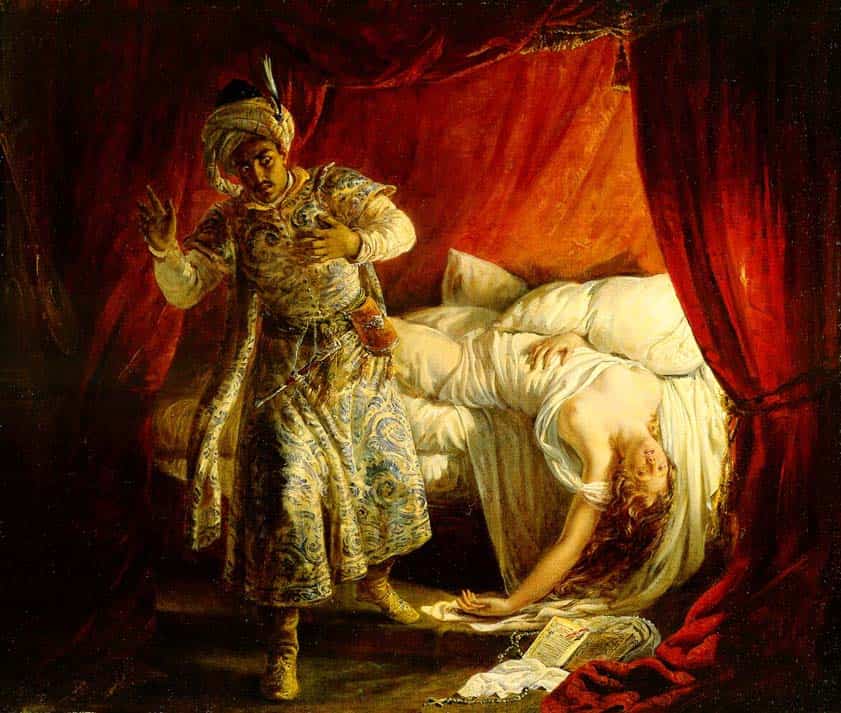
In this Shakespeare play, Othello is a unique commander, he is different because of the color of his skin. He is referred to as a moor a name associated with the aliens who were considered as inferior. He is in love with the senator’s daughter Desdemona whom they elope to go and secretly get married behind her father’s back (Brabantio). The two met in her home where Othello used to meet her father. Signior Brabantio admired Othello and termed him as a great soldier, he also used to warmly welcome him at his home. The two were so much in love that they were ready to sacrifice anything in order to be together. (Crawford and Badger, 1). Othello true love for Desdemona is tested when he was given false information that his beloved wife was being unfaithful.
When the father learned that Othello was romantically involved with her daughter he became his enemy. He accused him of stealing his daughter abusing and corrupting her. “…..she is abused, stolen from me and corrupted….” (Act 1 scene 3, 250-5). He even referred to him as” this man” opposed to the noble names that he used to call him before. Othello never thought that Desdemona father would be against his relationship with her daughter because he considered him as a friend. But it seems that Othello foresaw this and considering the fact that he is black made him marry Desdemona without Brabantio’s consent (Crawford and Badger, 1).
Othello confessed his love for Desdemona in front of the senate when he said that he loved her for pitying him on the dangers he went through. This expression of love is further seen when he honestly begged the senate to let her follow him to Cyprus. “So please your grace, my ancient, A man he is of honesty and trust to his conveyance I assign my wife, with what else needful my grace shall think, to be sent after me.” (Act 1 scene 3, 260-5).
Othello was very sure of how Desdemona felt for him when he requested that they should let her speak for herself. He even went ahead and said that they can take away his authority, even his life if he did steal the lady. When Desdemona stood to speak her father was surprised to hear what her daughter had to say. She challenged him to let her be by her husband side like what her mother did to him. He could not believe that she could be in love with Othello and choose him over his own father, he bitterly warned Othello to watch his back, “….she has deceived her father and may thee.” (Act 1 Scene III, 323-4). Desdemona does not only give empty words to express her love but her actions are to emulate because she meant what she said. She forsakes her family, friends and a distinguished lifestyle to marry a black man whom during the time was not worthy of marrying a white lady (Roberts, 4).
Image by Queens Free Press
This play brings out the idea that a woman has the right to choose who to fall in love with and marry. Desdemona’s father did not want his daughter to be married by a Moor as he called him and thought that he could make a choice for her. He felt betrayed by her own daughter and said that her being with Othello is the same as being dead to him.
From his relationship with the senator’s daughter, Othello made a number of enemies including his father in law. A man named Roderigo who is desperate to marry Desdemona would do anything to separate them. He is even willing to take his own life if the lady does not love her back (Roberts, 9). Another man named Lago, who in the opening of the play persuades Rodrigo to tell sir Brabantio about her daughter’s relationship with Othello, is also not happy about the union of Othello and Desdemona. The reason behind his resentment is that Othello promoted Cassio to be his lieutenant instead of him, which is why he vows to join force with Roderigo to frustrate and break Othello’s marriage.
Othello was so blind to see what was going on behind his back against his marriage to Desdemona. All this time he still trusts Lago to carry out some duties on his behalf. “…. Lago is most honest….” (Act I scene III). On the first night in Cyprus, Lago convinced Cassio to take alcohol so that he can cause chaos and disturb Othello’s wedding night so as to set Cassio against Othello. In act III scene III Lago responds to the commander with a lot of humility and respect addressing him as “good Lord” just to cover up his evil plans. Lago misinterprets Cassio’s relationship to Lago and thinks that the two are sexually attracted to one another. He also concluded that Desdemona was the reason Cassio was promoted and not him. He told Othello to observe his wife closely with Cassio, he tried to put doubt on Desdemona’s love to Othello.
Lago succeeded in poisoning Othello’s mind. He became extremely jealous and angry and could not imagine his wife with another man. He did not want to hear anything that Desdemona said. When he was told about the handkerchief he asked for it form his wife in an angry manner and insisted that it was given to him.
Othello “Is’t lost? Is’t lost? Speak, is’t out o’ the way?”
Othello “say you” ( Act III scene III).
When Desdemona was confronted about the accusations by hers husband, she tried to show her innocence but he could hear none of it to his jealousness and sexual insecurity. “That she with Cassio hath the act of shame a thousand times committed.” (Act V Scene II,212-3). From his anger and mistrust, he kills his wife by suffocating her in their marital bed (Balinnas, 1).
Image by Pinterest
Conclusion
True love is kind, patient, does not envy, is not angered easily and keeps no record of wrong. This is according to the religious scriptures. Othello may have loved Desdemona but it was not true love, because where there is love there is trust and mercy. Othello did not exhibit any of these character traits, he mercilessly killed his wife. He trusted his friends more than his own wife. If he could be truly in love with her he would give her time to explain herself and belief in her. Othello reaction towards a mere allegation of infidelity was not an act of love, It shows how their foundation of love was built in sand
Work cited
Ballinas, Rexonna. “Did Othello Love Desdemona?.” prezi.com. N.p., 2015. Web. 7 May 2018.
Crawford, Alexander, and Boston Badger. “Shakespeare’s Othello – Othello’s Relationship With Desdemona – Shakespeare and Race.” Shakespeare-online.com. N.p., 1916. Web. 7 May 2018.
Ridley, M. “Othello.” Amazon.com. N.p., 1966. Web. 7 May 2018.
Roberts, Earnest. The Tragedy Of An Insufficient Love. 1962. Web. 7 May 2018.
With a passion for helping students navigate their educational journey, I strive to create informative and relatable blog content. Whether it’s tackling exam stress, offering career guidance, or sharing effective study techniques
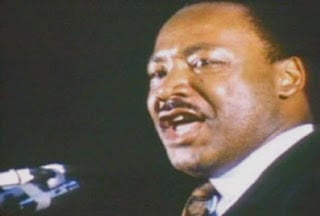
By the year 1968 on the 3rd of April, Martin Luther King had attained a reputation amongst the numerous that were preceded to him globally as a spiritual, great speaker and a well known civil rights activist. It is, therefore, easier to imagine him as a great man who spoke in church with a great congregation of individuals all with a great desire for hope to gain inspiration as well as to be challenged; and have a leader. This congregation was in search of equality, and quite a number of them were ready and willing to utilize violence to pursue justice. Therefore, Martin Luther had the challenge and significant task to speak to the people to inspire them to thrive to act out non-violently as well as to pass across the message that everyone is a child rightfully of God. Martin Luther utilized various elements in his speech including logos, ethos and pathos to instruct as well as effectively inspire his audience. Martin Luther implemented cautious word choice, and even created a common ground; nevertheless, he successfully created an intensive oriented call to action to effectively achieving his main objective.
Figure 1. Martin Luther King giving his “I’ve Been to the Mountaintop” speech.
Throughout the speech Luther had his words chosen carefully, he created amongst his audience a sense of pathos. In the speech, there is the use of words such as ‘victory’, ‘freedom’ as well as ‘rightful place’. It is clear to assert that individuals along a wide range of cultures and ethnic backgrounds, as well as other differences, were fighting for these. Therefore, using these idealistic types of words created a dream that was shared throughout his audience. Nevertheless, these words would have seemed less impactful had he not used pauses at the most ideal moment. When Luther was slowing his pace with instances of substantially long breaks placed between the ideas as well as sentences; he is able to reel in the congregation into an ambience of intimate conversation with them as he begins; then every part progressed as the pace quickened. Luther presented his speech speaking slowly, and with a significant amount of passion, enabling his words to sink in; thus making the speech become substantially more significant amongst his audience.
Together with the pace increase, Luther’ tone rises as well. With the use of appropriate tone fluctuation Luther is able to display a great match up to his greatest metaphors, and ideas. Moreover, listening to the speech one can hear at these particular parts of the speech a significant rise in energy followed by thunderous claps and cheers from his audience. Luther strategically uses tone, together with pace as he told his story at the beginning of the speech; as he goes through the different times in history but intending to remain at the present time. Luther slowly rose is the voice as well as pace as he approached the story’s climax where he makes his point; thus effectively making it impactful. Therefore, the point was only an additional reason as to why the audience reacted positively well; it was an addition to Luther speaking at a relatively moderate voice as he begins to increase the volume in his voice the congregation hears as well as sees the level of confidence within his voice; thus becoming hopeful and confident as well. Luther appealed to the congregation’s emotions throughout his delivery through the speech.
Besides the choice of effective and powerful words, King Martin Luther utilizes repetition to enhance the creation of his idealistic dream world. Luther utilizes phrases such as, “I would…” as well as “If I had sneezed…” with aim of identifying the vital events and even the aims he had for attaining efficient civil rights. The important and crucial historical events enable the creation of the sense of unity as well as pride within the audience. The mention of the events took the audience to reflect back on the days and time they had pride and power, a time when injustice and lack of equality did not exist in the world. Therefore, equality created a common ground as well as efficiently proposed a major goal. Luther effectively identified a common feeling and even proposed a solution and path to achieving the goal.
Martin Luther King created a path to strive towards achieving a solution and thus gave a call-to-action that was significantly powerful. Luther utilizes logos as well as the momentum throughout his speech to efficiently urge and inspire his audience to take a course of action, and do something. Martin Luther carefully gives guidelines in concern of taking action; he urged them to remain patient as well as non-violent and at the same time significantly encouraging unity amongst them. Luther goes on to give a substantially in-depth description of the meaning of what it really means to care more about your brother than yourself, thus leaving his audience with a great message of hope.
I believe that Martin Luther King Jr. gave a significantly aggressive speech, “I have been to the mountaintop”, that has remained to be amongst the most powerful speeches ever given that passed a strong message of encouragement to urge for the patience to go on with the fight to attain social justice; a message that still pushes for the fight up to date.
Works Cited
King, Martin L. Dr Martin Luther King, Jr: His Great Speeches in Their Original and Complete Form. Hollywood, Calif: Gordy, 1986. Sound recording.
King, Martin L. I’ve Been to the Mountaintop. San Francisco, Calif.: HarperSanFrancisco, 1994. Print.
Schulke, Flip. Martin Luther King, Jr: A Documentary, Montgomery to Memphis. , 1976. Print.
With a passion for helping students navigate their educational journey, I strive to create informative and relatable blog content. Whether it’s tackling exam stress, offering career guidance, or sharing effective study techniques
This website uses cookies to improve your experience. We'll assume you're ok with this, but you can opt-out if you wish. ACCEPTPrivacy Policy
Privacy & Cookies Policy
Privacy Overview
This website uses cookies to improve your experience while you navigate through the website. Out of these cookies, the cookies that are categorized as necessary are stored on your browser as they are essential for the working of basic functionalities of the website. We also use third-party cookies that help us analyze and understand how you use this website. These cookies will be stored in your browser only with your consent. You also have the option to opt-out of these cookies. But opting out of some of these cookies may have an effect on your browsing experience.
Necessary cookies are absolutely essential for the website to function properly. This category only includes cookies that ensures basic functionalities and security features of the website. These cookies do not store any personal information.
Any cookies that may not be particularly necessary for the website to function and is used specifically to collect user personal data via analytics, ads, other embedded contents are termed as non-necessary cookies. It is mandatory to procure user consent prior to running these cookies on your website.