Kinesthetic learning is a teaching approach that emphasizes physical activity and hands-on experiences to enhance learning. This approach is based on the idea that people learn best through doing and that physical activity can help improve memory retention and information processing.
Kinesthetic learning has become increasingly popular as educators and researchers have recognized its numerous benefits for students of all ages and learning styles. In this article, we will explore the benefits of kinesthetic learning and provide tips and strategies for incorporating it into your learning routine.
Whether you are a student, teacher, or lifelong learner, understanding the power of kinesthetic learning can help you enhance your learning experience and achieve greater success in your academic and personal pursuits. To complement kinesthetic learning techniques, educators might also explore these auditory learning tips for teachers and students to address diverse learning needs in their classrooms better
Key Takeaways
Kinesthetic learning emphasizes physical activity and hands-on experiences to enhance learning, promoting better memory retention and information processing.
Kinesthetic and tactile learners thrive on active engagement and may struggle with traditional lecture-based methods, favoring learning through body movement and exploration.
Benefits of kinesthetic learning include improved retention of information, enhanced creativity, better problem-solving skills, increased physical activity, and development of motor skills.
Strategies for kinesthetic learners include incorporating movement into study sessions, using hands-on activities, engaging in physical activity before studying, and utilizing technology to enhance learning.
In educational settings, kinesthetic learning can be promoted through active learning strategies, movement breaks, flexible seating options, and the use of manipulatives.
Characteristics of Kinesthetic and Tactile Learners
Kinesthetic and tactile learners are two types of learners in the VARK model, categorizing learners based on their preferred learning styles. Kinesthetic learners prefer physical engagement and movement to process new information, while tactile learners rely on touch and physical sensation to understand and remember new concepts. They process information better when they are physically engaged in an activity. Kinesthetic learners are often called “doers” or “hands-on” learners, while tactile learners rely on their sense of touch to understand concepts.
Incorporating strategies from proven teaching techniques can further enhance the engagement and success of tactile and kinesthetic learners in educational settings.
Characteristics of Kinesthetic and Tactile Learners:
Physical activity enhances their learning process: Tactile and Kinesthetic learners learn best through body movement and thrive when physically engaging with the material they are learning. This could include building models, performing experiments, or acting out scenarios. They may struggle with traditional lecture-based learning methods and become restless or disengaged without physical activity.
They have a strong sense of body awareness: Kinesthetic and tactile learners are often very in tune with their bodies and physical surroundings. They may enjoy sports, dance, or yoga activities, as these activities allow them to move their bodies and develop a deeper understanding of their physical capabilities.
They learn by doing: Kinesthetic learners are especially effective at retaining information when engaging in hands-on activities that allow them to put theory into practice. This could include building a prototype, practicing a skill, or working on a physical project.
They benefit from sensory experiences: Tactile learners rely on their sense of touch to understand concepts. They may enjoy working with manipulatives, such as building blocks or puzzles, or engaging in activities to explore different textures and materials.
They may struggle with passive learning environments: Kinesthetic and tactile learners may find it difficult to learn in environments that require them to sit still and listen passively. They may benefit from opportunities to move around the classroom, take breaks to engage in physical activity or work on projects that require movement.
They may have strong spatial reasoning skills: Kinesthetic and tactile learners often excel in tasks that require spatial reasoning, such as reading maps or solving puzzles. They may be able to visualize solutions to problems in three dimensions, which can be a valuable asset in fields such as engineering or architecture.
Kinesthetic learners who may have attention deficit disorder (ADD) or attention deficit hyperactivity disorder (ADHD) can learn more effectively through physical engagement. They may need to perform physical activities or role-play in order to understand new concepts and process new information. For strategies tailored to auditory learners, check out our guide on Auditory Learning.
Kinesthetic Learners
Tactile Learners
Prefer physical activity while learning
Rely on the sense of touch to understand concepts
Strong sense of body awareness
Benefit from sensory experiences
Learn by doing
May struggle with passive learning environments
May benefit from internships or field trips that allow them to apply their learning to real-life examples
May benefit from activities that allow them to touch and manipulate objects in order to better understand concepts
May struggle with passive learning environments
May have strong spatial reasoning skills
Strong spatial reasoning skills
Typically have a short attention span and may have difficulty sitting still for long periods
Benefits of Kinesthetic Learning Style
Benefits of Kinesthetic Learning Style
Kinesthetic learning provides numerous benefits for learners of all ages and backgrounds. In this section, we will explore some of the most significant advantages of this approach to learning.
Improved retention of information: Kinesthetic learning involves physical activity and hands-on experiences that can help learners retain information more effectively. When learners actively engage in the learning process, they are more likely to remember the information they are learning. For example, students who physically act out a science experiment or a historical event are more likely to remember the details than those who read about it.
Enhanced creativity: Kinesthetic learning can also help enhance creativity by encouraging learners to think outside the box and explore new ideas. Through physical activity and hands-on experiences, learners can engage their imagination and develop unique solutions to problems. For example, building a model of a city or an ecosystem can help learners visualize complex concepts and develop creative solutions to challenges.
Better problem-solving skills: Kinesthetic learning can also help develop problem-solving skills by allowing learners to apply what they have learned in real-world situations. For example, participating in a simulated business scenario or building a bridge out of toothpicks can help learners develop critical thinking and problem-solving skills that they can apply in their personal and professional lives. Adult learners engaging in online education can also benefit from strategies that involve active participation. Learn more about how these factors come into play in Adult Learners in Online Education.
Increased physical activity: Kinesthetic learning can also help promote physical activity, which is important for overall health and well-being. By incorporating physical activity into learning, students can stay active and engaged, which can help improve their overall health and academic performance.
Development of fine and gross motor skills: Kinesthetic learning can also help develop fine and gross motor skills. Learners can improve their hand-eye coordination, skill, and physical abilities by engaging in hands-on activities. This can be especially beneficial for young learners still developing their motor skills.
Tips for Kinesthetic Learners
For kinesthetic learners, traditional study methods may not always be effective. This is because these learners thrive on physical activity and hands-on experiences. This section will explore some tips kinesthetic learners can use to enhance their learning experience.
Incorporating movement into study sessions: Kinesthetic learners can benefit from incorporating movement into their study sessions. For example, pacing back and forth or using a stationary bike while reading can help them stay focused and engaged.
Using hands-on activities: Using hands-on activities is another effective strategy for kinesthetic learners. For example, using flashcards or playing games can help them learn and retain information. In addition, creating physical models or diagrams of concepts can help them visualize and understand complex topics.
Engaging in physical activity before studying: Engaging in physical activity before studying can help kinesthetic learners get into the right mindset for learning. Stretching, yoga, or a quick jog can help them feel energized and focused.
Breaking up study sessions with physical breaks: Kinesthetic learners can also benefit from taking physical breaks during study sessions. This can help them recharge and stay focused. For example, taking a quick walk or engaging in a few minutes of physical activity can help them feel refreshed and ready to continue learning.
Using technology to enhance kinesthetic learning: Kinesthetic learners can use technology to enhance their learning experience. For example, interactive simulations or games can provide a hands-on learning experience that is both engaging and effective. In addition, educational apps incorporating physical activity can help kinesthetic learners stay active while learning.
Strategies for Kinesthetic Learning
To optimize kinesthetic learning, developing specific strategies promoting physical activity and hands-on experiences is important. In this section, we will explore some effective strategies for kinesthetic learners.
Role-playing and simulation: Role-playing and simulation activities can provide kinesthetic learners with a unique and engaging learning experience. For example, participating in a simulated business scenario or reenacting a historical event can help learners understand and retain information.
Active note-taking: Active note-taking is another effective strategy for kinesthetic learners. Instead of simply writing down information, learners can use symbols, diagrams, and other visuals to help them better remember and understand what they are learning.
Learning through physical activity: Learning through physical activity is another effective strategy for kinesthetic learners. For example, engaging in physical activities related to what is being learned can help learners retain information. This might include participating in a nature walk to learn about ecosystems or a scavenger hunt to learn about history or science.
Incorporating manipulatives: Manipulatives, such as blocks, puzzles, or other tactile objects, can help kinesthetic learners visualize and understand abstract concepts. Manipulatives can be particularly effective in subjects like math, where learners can use objects to model and solve problems.
Connecting to real-world experiences: Finally, kinesthetic learners can benefit from connecting to real-world experiences. By relating what they are learning to real-world scenarios, learners can better understand and retain information—for example, learning about history by visiting historical sites or understanding science concepts through hands-on experiments.
Teaching Methods for Kinesthetic Learning in the Classroom
Kinesthetic learning is a fundamental approach to education, and it can be implemented in the classroom in various ways. This section will explore how kinesthetic learning can be incorporated into the classroom environment.
Active learning strategies: One effective way to incorporate kinesthetic learning in the classroom is through active learning strategies. These can include group projects, hands-on experiments, and simulations. These strategies help students physically engage with the material, promoting retention and understanding.
Movement breaks: Another way to incorporate kinesthetic learning in the classroom is through movement breaks. Regular breaks during class to engage in physical activity can help students remain focused and attentive. This can include stretching, yoga, or even a quick walk around the classroom.
Flexible seating options: Incorporating flexible seating options can also be helpful for kinesthetic learners. Providing options such as standing desks, stability balls, or floor cushions can help students engage in physical activity while still focusing on learning.
Physical props and manipulatives: Using physical props and manipulatives can also help kinesthetic learners in the classroom. For example, providing blocks or other objects for math problems can help students visualize and solve problems. This approach can be extended to other subjects, such as using historical artifacts to teach history.
Kinesthetic learning environments: Finally, creating a kinesthetic learning environment can be helpful for students who learn best through movement. This can include designing a classroom that encourages movement, such as open spaces for group activities, wall-mounted whiteboards for collaborative learning, or even outdoor learning spaces.
Kinesthetic Learning for Different Learning Styles
Kinesthetic learning is an effective approach to education that can benefit many different types of learners. This section will explore how kinesthetic learning can be tailored to different learning styles.
Visual learners: Visual learners can benefit from kinesthetic learning by incorporating visual aids and manipulatives. Using objects and diagrams to represent information can help visual learners better understand and retain information.
Auditory learners: Auditory learners can benefit from kinesthetic learning by incorporating sound and movement, such as using songs or rhymes to teach concepts or allowing students to engage in physical movement while listening to audio recordings.
Reading/writing learners: Reading/writing learners can benefit from kinesthetic learning by incorporating writing or reading activities. For example, they have students act out a scene from a book or write a story to represent their learning.
Multimodal learners: Multimodal learners benefit from kinesthetic learning by incorporating a variety of sensory experiences. This can include activities that engage all senses, such as group projects, hands-on experiments, or simulations.
Hands-on learners: Hands-on learners are the most suited for kinesthetic learning, as they learn best through physical activity and direct experience. Teachers can engage these learners by incorporating activities involving movement, object manipulation, or direct engagement with the subject matter.
Final Thoughts
In conclusion, kinesthetic learning is an effective approach to education that engages students through physical activity and movement. By incorporating kinesthetic learning strategies and activities, teachers can create a more inclusive and effective learning environment accommodating many learning styles. From active learning strategies to flexible seating options, kinesthetic learning can be tailored to the needs of different learners and implemented in the classroom in various ways. By recognizing the benefits of kinesthetic learning and incorporating it into the classroom, teachers can help students better understand and retain information while promoting academic success.
FAQ
What are examples of kinesthetic learning?
Kinesthetic learning includes physical activities such as hands-on experiments, role-playing, building models, playing games, and using manipulatives. Kinesthetic learners also benefit from movement-based activities such as stretching, dancing, and using exercise balls or standing desks.
What is the kinesthetic learning method?
Kinesthetic learning is a method of education that involves physical activity and movement to teach and reinforce concepts. It is based on the idea that students learn best when actively engaged in the learning process and can physically interact with the subject matter.
What is kinesthetic learning in simple words?
Kinesthetic learning is a learning style that involves physical activity and movement to teach and reinforce concepts. This approach to education is based on the idea that students learn best when actively engaged in the learning process and can physically interact with the subject matter.
How do you teach kinesthetic learners?
Teachers can incorporate physical and movement-based activities into the learning process to teach kinesthetic learners. This can include hands-on experiments, role-playing, building models, games, manipulatives, and movement-based activities such as stretching, dancing, and using exercise balls or standing desks. Teachers can also use visual aids like diagrams or videos to help kinesthetic learners visualize and understand the subject matter. Additionally, allowing kinesthetic learners to take breaks and move around during class can help them stay focused and engaged.
With a passion for helping students navigate their educational journey, I strive to create informative and relatable blog content. Whether it’s tackling exam stress, offering career guidance, or sharing effective study techniques
Navigating the world of academic writing can be like deciphering a secret code, but fear not – we’ve got your back when it comes to MLA Format. Picture it as the superhero cape for your essays and research papers. MLA Format, or Modern Language Association Format, is not just a set of rules to make your English teacher happy; it’s a toolkit that adds clarity and consistency to your writing—Have you ever wondered how to cite your sources in a paper properly? MLA Format’s got your answer. Think of it as the GPS for your paper – ensuring you don’t get lost in the vast landscape of academic writing. So, buckle up, and let’s take a friendly stroll through the essentials of MLA Format. Ready for the journey?
Key Takeaways
MLA Format is a set of guidelines by the Modern Language Association to ensure clarity and consistency in academic papers.
Use MLA formatting for various writing tasks including academic papers, literary analyses, research papers, and presentations.
MLA citations include in-text citations with the author's name and page number, and a 'Works Cited' page at the end listing all sources used.
MLA formatting rules entail using double spacing, a legible font like Times New Roman, and specific layout instructions for headers and title pages.
A citation generator can assist in creating correctly formatted MLA citations, saving time and ensuring accuracy in academic writing.
What is MLA format?
So, what’s the deal with MLA Format? Well, think of it as the blueprint for your academic paper. It’s a set of guidelines established by the Modern Language Association to make sure your essays and research papers are not just grammatically correct but also consistent and organized.
When to use MLA citation format
let’s talk about when to unleash the MLA Format magic in your writing. Think of it like knowing when to wear your favorite superhero cape – you want it to shine at the right moments. Here’s the lowdown:
Academic Papers – The Hero’s Quest: If you’re working on an essay or a research paper for school, MLA Format is your sidekick. The MLA Handbook, like your trusty map, guides you through the twists and turns of formatting, citing, and making your paper look sharp. So, if your teacher says, “MLA paper, please!” – you know what to do.
Literary Analysis – Unmasking the Symbols: When diving into the world of literature and dissecting its hidden meanings, MLA Format is your literary Sherlock Holmes. Anytime you’re analyzing a poem, a novel, or a play, the MLA citation style helps you highlight quotes and ideas correctly. It’s like giving credit to the characters who made your understanding richer.
Research Papers – The Knowledge Crusade: If you’re on a quest for knowledge and compiling information from various sources, MLA Format is your guiding star. It ensures you credit each source in your paper’s journey. Remember, at the top of the page, your name and the page number stand like sentinels, signaling where your adventure begins.
Presentations – The Show and Tell: Now, what about when you’re standing in front of the class, ready to dazzle them with your wisdom? Even in presentations, MLA Format can make you look like a formatting wizard. You might not need a full-blown citation like in a paper, but citing sources verbally and using MLA principles can add that extra shine to your presentation.
MLA vs. APA, Chicago, and other paper formats
Now, let’s unravel the mystery of MLA versus other paper formats like APA, Chicago, and their buddies. It’s like comparing different superhero costumes – they all have their unique flair, but which one suits your writing adventure? Let’s find out:
Full Citation Face-Off – MLA vs. APA: Both MLA and APA formats have their own way of doing full citations, but they dance to different beats. In MLA, it’s like introducing your source in a friendly manner at the end of your paper on the Works Cited page. APA, on the other hand, prefers a bit more formality, giving you a detailed rundown of your sources on a References page.
In-Text Citation Styles – The Superhero Signature Moves: MLA and APA have distinctive in-text citation styles. MLA loves to keep it simple – just the author’s name and page number in parentheses after a direct quote. It’s like a quick wave to the source. APA, however, throws in the publication date, too, making it a bit more detailed.
Headers and Guides – MLA’s Head Start: When it comes to headers, MLA likes to keep it straightforward with your last name and the page number at the top of each page. APA, though, prefers a running head with a shorter version of your title. It’s like deciding between a name badge and a fancy title sash.
Chicago’s Story – A Different Narrative: The Chicago Manual of Style, or Chicago format, has its narrative. It loves footnotes and endnotes, allowing you to dive into the details without cluttering your main text. It’s like telling the backstory without interrupting the main plot.
Edition Matters – Sticking with the Latest MLA Edition: Just like superhero outfits get updates, so do style guides. Make sure you’re using the latest edition of the MLA Handbook or any other style guide, for that matter. It’s like getting the latest software update for your superhero suit – you want all the cool features.
Guidelines for Formatting a Paper in MLA
MLA formatting rules
a). MLA Header – Page Tag: At the top-right corner of every page, slap on your last name and the page number. It’s your paper’s ID.
b). In-Text Citations – Give Credit: When you use someone else’s stuff, drop the author’s name and page number in parentheses. Easy credit.
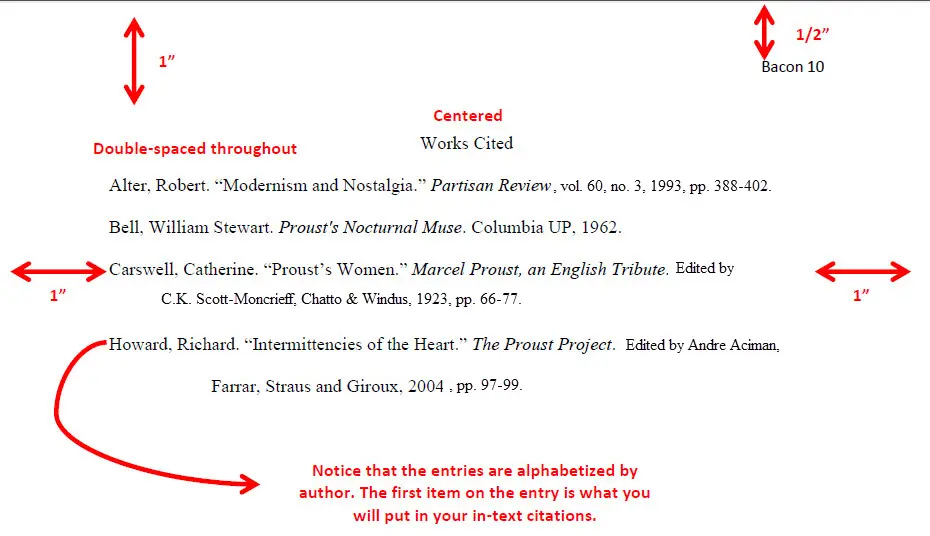
c). “Works Cited” – Source List: At the end, make a page called “Works Cited” and list all your sources. Follow the format – author, title, and publication details.
MLA style rules
a). General Format – Keep it Simple: Double-space your paper, and use Times New Roman. Clean and simple – no frills.
b) Consistency is King: Whether in citations or on the “Works Cited” page, stick to MLA. Like having a uniform – everything matches.
c). In-Text Citation is the Author’s Name – Quick Credit: MLA’s in-text citation is just the author’s name and page number. Quick and to the point.
d). Called an “In-Text Citation” – Sneaky Credit: It’s sneaky credit, slides in without causing a fuss—no need for a grand announcement.
MLA Heading & Title Page Instructions
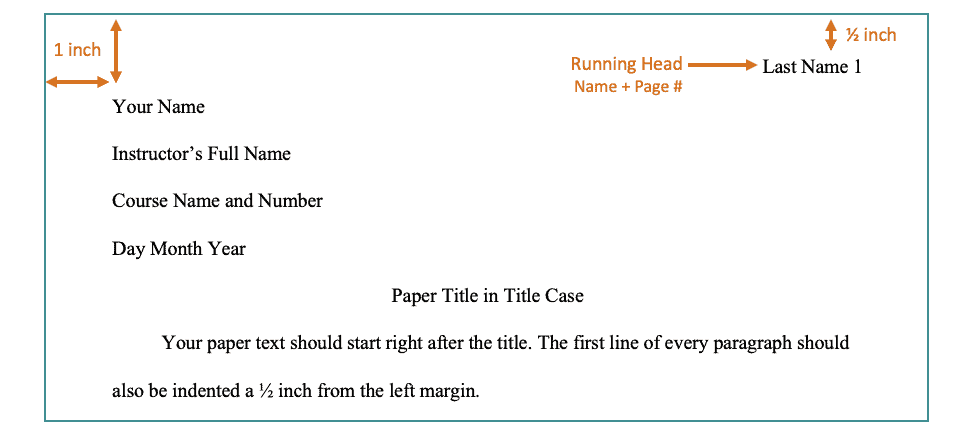
Your MLA heading is like the ID for your paper; it goes at the top-left corner with your name, instructor’s name, course, and date. There is no need for fancy fonts or extra details; keep it simple and clean. Now, about the title page – it’s not always required in MLA, but if your instructor wants one, center-align the title, double-space, and don’t get too creative. The key is clarity, not flashiness. Think of it as the basic setup before your paper jumps into action. With a clear heading and title page, your paper is good to go. Ready to dive in?
image 2
Running Head & Page Numbers in MLA
The running head is like your paper’s name tag, found at the top-right corner of each page, showcasing your last name and the page number. Please keep it simple and consistent. Page numbers? Think of them as the navigation system for your reader, located in the top-right corner, starting from the second page onward. There is no need for elaborate designs; keep it clean and clear. With the running head and page numbers in place, your paper becomes a smoothly guided journey for anyone reading it. Simple, right? Ready to make your paper reader-friendly?
Running Head Page Numbers in MLA
Formatting the First Page of Your Paper
At the top-left corner, you put your name, your instructor’s name, the course, and the date – no need for extra frills; keep it neat. Center-align your title, and if your instructor wants a title page, add it here. Your running head, a mini name tag, goes at the top-right corner, featuring your last name and the page number. It’s like giving your paper a clear identity. The first page is where the show begins, so simplicity and clarity are your best friends. With this setup, your paper is all set for its debut. Ready to rock the first page like a pro?
Formatting the First Page of Your Paper
How to cite sources in MLA: citation examples
How to present evidence and quotes in MLA
When dropping a direct quote into your paper, throw it inside quotation marks. For example, “According to the research, ‘water covers about 71% of the Earth’s surface’ (Brown 15).” After that, hit it with an in-text citation – usually the author’s name and page number, like “This fact is quite remarkable (Brown 15).” Keep it concise, and your evidence becomes a seamless part of your narrative.
Footnotes and endnotes in MLA
Footnotes and endnotes in MLA are like bonus tracks on an album – not always necessary, but they add something extra. MLA generally prefers in-text citations, but for additional info, you can use footnotes (at the bottom of the page) or endnotes (at the end of the paper). They’re like the director’s cut scenes, offering more insight without disrupting your main storyline.
Works cited page for MLA.
Your MLA Works Cited page in MLA is the credit roll at the end of your movie – it gives due recognition to all the stars of your paper. List your sources in alphabetical order, following a specific format for each entry. For a book, it’s like this: Last Name, First Name. Title of Book. Publisher, Publication Year. For a website, it’s similar, adding the URL. It’s a straightforward acknowledgment of the heroes who contributed to your paper.
Works cited page for MLA.
How to cite different types of sources in MLA format
Citing different sources in MLA is like using different tools for different jobs – each has its own method. For a book, you mention the author, title, publisher, and publication year. For a website, it’s the author (if available), the title of the page, the name of the website, the publication date (if available), and the URL. It’s like having a varied toolkit, ensuring you use the right citation for each source.
MLA In-Text and Parenthetical Citations
In MLA formatting, in-text, and parenthetical citations are your way of giving props to the sources you use without overcomplicating things. The in-text citation is straightforward: it’s the author’s name and page number in parentheses after a quote or paraphrase. For example, “According to Smith (23), this idea is fascinating.” The parenthetical citation adds a bit more info without being too fancy, like “This concept is intriguing (Johnson 45).” These citations are like signposts, showing your reader where you got your info without making a big deal out of it. Just drop them in as needed, and you’re good to go.
😕 What is an MLA Citation Generator?
An MLA Citation Generator is like having a personal assistant for your citations – it’s a handy tool that helps you create accurate and properly formatted citations in MLA style without the headache. Instead of manually piecing together your citations, you feed the necessary information like the author’s name, title, publication date, etc., and the generator spits out a perfectly formatted citation. It’s like having a super-smart friend who knows all the MLA rules and can whip up citations in seconds. For instance, if you’re citing a book, you enter the details, and the generator produces a citation like this: Author Last Name, First Name. Title of Book. Publisher, Publication Year.
👩🎓 Who uses an MLA Citation Generator?
An MLA Citation Generator is your go-to buddy if you’re a student, researcher, or anyone swimming in the seas of academic writing. Students, especially, find it a lifesaver when compiling their Works Cited page or sprinkling in-text citations throughout their papers. Researchers also appreciate the time-saving aspect when dealing with a plethora of sources. It’s not about avoiding the work but streamlining the process. So, if you’re staring at a bunch of books, articles, or websites wondering how to cite them all, an MLA Citation Generator is there to make your life a whole lot easier. Whether you’re a high school student or a seasoned academic, this tool is like having a citation expert on speed dial.
Frequently asked questions about MLA format.
How do you write in MLA format?
To write in MLA format, set your paper with a one-inch margin, use a legible font like Times New Roman, and include a header with your last name and page number at the top-right corner.
What is the correct MLA format?
The correct MLA format involves double-spacing the entire paper, using a 12-point font, and creating a “Works Cited” page to list your sources in a specific format.
What is the MLA citation format?
The MLA citation format typically includes the author’s name and page number for in-text citations, while the “Works Cited” page provides detailed information about each source.
What is an example of MLA format?
An MLA format example is having a header with your last name and page number, using in-text citations with the author’s name and page number, and compiling a “Works Cited” page with properly formatted entries.
With a passion for helping students navigate their educational journey, I strive to create informative and relatable blog content. Whether it’s tackling exam stress, offering career guidance, or sharing effective study techniques
This Christmas or any occasion is the perfect time to give the gift of a memory. Wouldn’t any parent or grandparent love to receive a memoir of their lives seen through the eyes of their children? The memoir is a virtual time capsule that documents their journey through life, showcasing their personality and what led them to where they are today. Those reading it might find traits in themselves that are similar. It may inspire the next generations in ways you never thought possible.
Writing your thoughts and memories can be done on a document, such as Word, and possibly later published. Or, one could write in an online journal, such as those offered by Penzu. Their plans range from free to Penzu Pro+. If you require help with the writing, my company can assist. I run Ghostwriters Central, Inc. We’ve been providing affordable ghostwriting services to clients worldwide since 2002.
Imagine a great-grandchild in high school who finds they have a flair for fashion and after reading the memoir they find out grandma worked as a seamstress during wartime. Or a 22-year-old who has graduated and feels lost because their real passion is not their major. What would it be like to find out grandpa had the same aspirations?
Typically, a memoir is written by the person who lived it, but that doesn’t mean you can’t write one about someone you know very well. A memoir differs from an autobiography or biography in that it focuses more on concentrated periods of time in a more intimate way rather than following entire spans of people’s lives with less detail. A family memoir is even more treasured in that it tells the stories to be passed down through generations.
Penning a loved one’s memoir through journaling is a wonderful way of preserving someone’s legacy, along with their emotions, experiences, and the powerful lessons they have learned. A thematic memoir focuses more on certain aspects of a person’s life like relationships, personal struggles, and career. It could cover how they impacted others, especially family, and the legacy they will leave behind.
Another important aspect of this gift is whether you want the memoir to be collaborative. Writing it alone produces a great surprise gift and gives an interesting perspective, especially if the person of interest is not around anymore. Maybe you’re writing the memoir of grandpa to gift to grandma. On the flip side, if you write the memoir together, you’ll get more of an authentic and intimate depiction. This is a personal preference and something to consider before putting pen to paper. You always want to respect the privacy of your loved ones, so getting permission and consent is essential.
It can be challenging to organize your memoir. Do you want it to be juicy tidbits arranged chronologically or would you rather jump around life experiences, hopping from one anecdote to another? It starts by digging through all the information depicting their journey, ensuring a clear timeline. You need cohesion when tying together the story, and that’s where your writing skills come in. Developing an overarching theme can help keep it focused and allow room to showcase the emotional ride to the climax and ultimately to where they are today. You also need to keep in mind the pacing of how you build your emotionally impacting memoir. Consider incorporating reflections and insights that provide depth, as these elements engage readers on a more personal level. When thinking about how to write a memoir essay, remember that authenticity resonates; sharing vulnerabilities can create a powerful connection. Additionally, experimenting with different narrative styles can enhance the emotional pull of your story, inviting readers to experience your journey alongside you.
Choosing the best narrative voice for your memoir will set the tone. If you are close to the subject of the memoir, using a first-person narrative can yield a more deeply, introspective story. You can use some pertinent dialogue straight from your loved one to make it even more personal and to give generations to come more insight into their great-great-great grandpa. You can also choose to use a third-person narrative from your perspective and what you witnessed growing up. Either way, that memoir will be touching someone’s heart.
These are all techniques to consider when embarking on this journey. To get the most dynamic and meaningful memoir, it’s important to showcase the details to the best of your ability to preserve their legacy for generations. When their grandchildren pick up that book or read your online journal, they will see their heritage in a way they never thought possible. They will learn fascinating things about their ancestors that otherwise would have been lost to the sands of time.
With a passion for helping students navigate their educational journey, I strive to create informative and relatable blog content. Whether it’s tackling exam stress, offering career guidance, or sharing effective study techniques
An informative speech is your opportunity to educate, inspire, and empower an audience with knowledge. These speeches aren’t meant to persuade the audience or argue a point; their purpose is to enlighten by presenting information clearly and appealingly.
Think of it like this: you’re explaining a concept or sharing insights, like a teacher introducing a fascinating topic in class. Throughout the speech, your goal is to keep the audience’s attention and give them something valuable to walk away with. By the end, they should feel like they’ve gained a deeper understanding of your chosen topic.
Whether you’re a beginner or a seasoned speaker, understanding how to write and deliver an effective informative speech will set you up for success. Let me walk you through this process step by step on how to write an informative speech so you can inform the audience clearly and concisely while engaging their minds and hearts.
When preparing an informative speech, it’s essential to focus on delivering clear and engaging content. For more tips on crafting a great speech, check out this guide on how to write a speech, which provides a step-by-step approach.
Key Takeaways
An informative speech is meant to educate the audience by presenting clear and engaging information, rather than persuading or arguing a point.
The main purposes of informative speaking include sharing knowledge, breaking down complex concepts, and establishing credibility as a speaker.
Major types of informative speeches consist of definition, explanatory, demonstration, and descriptive speeches, each serving different purposes.
Key steps for writing an effective informative speech include choosing a relevant topic, creating a structured outline, and conducting thorough research.
Effective delivery of an informative speech involves using vocal variety, body language, addressing audience questions, and utilizing visual aids.
What Is an Informative Speech?
An informative speech is a structured presentation designed to share knowledge about a specific topic. Unlike persuasive speeches, which aim to convince, an informative speech focuses on delivering well-researched information that is interesting and useful to the audience.
For instance, you might explain a process like how renewable energy works, delve into the history of ancient civilizations, or summarize advancements in science and technology. The speech’s purpose is to enlighten, not to persuade the audience. To be an effective informative speaker, you need to strike a balance between factual content and engaging delivery.
Purposes of Informative Speaking
The main purpose of informative speaking is to share knowledge. This could involve breaking down complex concepts into digestible parts, exploring the cause and effect of a particular topic, or presenting information clearly that the audience finds fascinating.
Key Goals of Informative Speaking:
To inform the audience about something they may not know.
To provide a comprehensive understanding of the topic.
To establish your credibility as a speaker.
Let the audience know that you’re passionate about the subject by using relatable anecdotes and evidence from reliable sources like textbooks or government documents. Whether you’re presenting in class or at a public speaking event, your audience should feel like they’ve learned something valuable.
Order Your Custom Paper Today
Want a similar academic paper on this topic? Place your order today by clicking the ORDER NOW button above for a plagiarism-free, expert-written paper.
Informative speeches come in several forms, each suited for different topics and purposes. Knowing the main types helps you choose a format that aligns with your topic.
Definition Speeches: Explain the meaning of concepts or terms. For example, what is “rhetoric” in public speaking?
Explanatory Speeches: Describe how or why something works. E.g., The science behind brain plasticity.
Demonstration Speeches: Show how to perform a task or process. E.g., How to bake a cake.
Descriptive Speeches: Paint a vivid picture of an object, event, or person: E.g., The history of the Eiffel Tower.
Each type of informative speech requires a clear structure to ensure the audience understands and retains the information. Use visual aids like slides or props to reinforce the message.
Choosing the Right Topic
Selecting a topic can be daunting, but keeping the audience in mind makes it easier. A good informative speech topic should:
Be something you’re passionate about.
Have enough depth to explore within the time allowed.
Be relevant and interesting to your audience.
Tips for Topic Selection:
Think about potential topics that intrigue you.
Check with your instructor if the speech is for a class.
Use platforms like YouTube or government documents to find a topic.
If you’re stuck, brainstorm ideas by considering what you’ve heard recently or what your audience might find surprising. Once you’ve found your topic, focus on a specific aspect to keep your speech manageable.
Struggling to write essays or term papers? Place your order today by clicking the ORDER NOW button above to get our expert writing help.
Bonus Topics for Informative Speeches
Here is a categorized list of suggested topics to inspire your next informative speech. Whether your interest lies in science, history, or everyday life, these ideas can help you choose a topic that captivates your audience.
Science and Technology
The science of climate change and its global impact.
How artificial intelligence is transforming industries.
The workings of renewable energy technologies like solar and wind power.
The exploration of black holes and their mysteries.
A strong structure sets the tone for the entire speech. Think of it as a framework that guides your content and keeps the audience engaged.
Introduction:
Start with an attention-grabbing anecdote, question, or statistic.
Clearly state the thesis, summarizing the speech’s purpose.
Provide a preview of the main points you’re going to talk about.
Body of Your Speech:
Present your main points in a logical order.
Use evidence from primary and secondary sources to back up your claims.
Include rhetorical questions and visual aids to engage the audience.
Conclusion:
Summarize the main points.
Restate the thesis to reinforce the message.
Leave the audience with a memorable closing phrase or thought.
Our academic writing services can help you craft speeches, essays, and dissertations. Click the ORDER NOW button above to get started.
Outlining an Informative Speech
Creating a speaking outline is essential for organizing your thoughts and ensuring a smooth delivery. A bare-bones outline can guide you initially, but a complete sentence outline ensures that you’ve covered every detail.
Steps to Create a Speech Outline:
Write down the speech’s purpose and main idea.
Organize the key points you’ll cover in the body.
Add subpoints under each main point for depth.
Include transitions to connect sections seamlessly.
Example Outline:
Introduction: Share an attention-grabbing story.
Body:
Main Point 1: Explain a concept using evidence.
Main Point 2: Show cause and effect using examples.
Conclusion: Summarize and inspire action.
Researching and Preparing Your Speech
Every great speech begins with thorough research and meticulous preparation. This phase is the backbone of your informative speech, ensuring it is well-founded, engaging, and trustworthy. To ensure your speech is well-researched and backed by credible sources, refer to this article on informative essays, where you’ll learn more techniques for gathering reliable information.
1. Know Where to Look for Reliable Sources
Start by identifying dependable sources of information. Primary sources like interviews, firsthand accounts, and original research provide authentic and unfiltered data. On the other hand, secondary sources such as textbooks, government documents, and academic articles offer critical analysis and summaries that can contextualize your primary data. Platforms like libraries, credible websites, and databases like JSTOR are excellent places to begin your search.
2. Organize Your Findings
As you gather material, aim for clarity and coherence. Create a system for organizing your information into main points and subpoints that align with your speech’s purpose. For instance, if you’re presenting a speech on the history of renewable energy, categorize your findings into sections like “early innovations,” “modern advancements,” and “future potential.” Use a speaking outline to ensure your ideas flow logically.
3. Conduct Thorough Research
Dive deeply into your topic to uncover unique insights that may surprise your audience. Look for data and anecdotes that provide interesting perspectives or reinforce your message effectively. The more well-rounded your research, the more compelling your speech’s body will be.
4. Practice for Delivery
Preparation extends beyond research. Rehearse your speech multiple times, focusing on smooth transitions between points and clear pronunciation. Practice in front of a mirror or a small audience instead of memorizing verbatim. This helps you stay flexible and conversational, allowing for natural adjustments while you present your speech.
Remember, effective research and preparation are not just about collecting facts but also about crafting a narrative that resonates with your audience.
If you need help writing a well-structured speech or any academic paper, place your order today by clicking the ORDER NOW button above.
Delivering an Informative Speech
Delivery is where all your hard work comes to life. A strong delivery can turn a good informative topic into an unforgettable experience for your audience. Here’s how to engage your listeners effectively:
1. Use Vocal Variety
Your voice is a powerful tool in public speaking. Modulate your tone, pitch, and volume to emphasize key points and keep the audience attentive. For instance, when you reach an exciting part of your speech, raise your tone slightly to convey enthusiasm and lower it for reflective moments. This variation makes your delivery dynamic and prevents monotony.
2. Incorporate Body Language
Body language is an essential part of non-verbal communication. Use purposeful gestures to reinforce your message, maintain an open posture to appear approachable, and make eye contact to establish a connection with your audience. Movement across the stage can also help convey energy and draw attention to specific points, but avoid pacing aimlessly.
3. Address Questions Confidently
Be prepared to handle audience questions with poise. Listen carefully to what is asked, acknowledge the question, and respond thoughtfully. If you don’t have an answer immediately, it’s okay to admit it and offer to follow up later. This honesty adds to your credibility as a speaker.
4. Engage with Pathos
While the focus of an informative speech is to share knowledge, subtle emotional appeals (pathos) can make your delivery more impactful. Share relatable anecdotes or pose rhetorical questions to create a connection. For example, you might say, “Have you ever wondered how renewable energy impacts your daily life?” This not only draws the audience in but also makes the topic relevant to their experiences.
5. Reinforce the Message with Visual Aids
Visual aids like slides, infographics, or props can help clarify complex ideas and make your speech more memorable. Ensure your visuals are simple, relevant, and professional to avoid distracting the audience. Practice integrating these aids smoothly into your presentation.
6. Practice in Front of an Audience
Before delivering your speech, rehearse in front of friends, family, or colleagues. Their feedback can highlight areas for improvement. Practice until you can present with ease, but avoid over-rehearsing to the point where your delivery feels robotic.
Remember, the key to effective delivery lies in preparation, connection, and adaptability. Need help creating a polished speech? Click the ORDER NOW button above to get expert assistance from our academic writing team.
Informative Speech Examples
Informative Speech Examples (3)
Examples of effective informative speeches can help you understand how to structure your own presentation. Below, we’ve covered some examples to illustrate various approaches:
The following is an informative speaking excerpt on smoking:
It is general knowledge that smoking is bad for your health. Yet, the number of smokers globally increases each year. In 2018, according to the World Health Organization (WHO), about 1.1 billion people in the world use tobacco. That number might rise to 1.6 billion by 2025.
Tobacco kills, which smokers ignore until they get cancer or another terminal disease. It results in 6 million deaths per year. That means that there is one tobacco-related death every six seconds.
That said, a lack of information about the effects of smoking is a significant contributor to this pandemic. A survey conducted in China revealed that only 38% of tobacco smokers knew the habit could lead to heart disease, and only as few as 27% were aware smoking could cause a stroke.
Ignorance is no defence. So, today, I will present the adverse effects of tobacco and back them up with facts and real-world statistics.
The following is another informative speaking excerpt on global warming:
A global warming search on Google brings back 65 million results pages. The subject has drawn a lot of attention due to adverse climate change. In a speech presented at the UN Summit in 2019, Barrack Obama said that we must solve climate change swiftly and boldly or risk leaving future generations to an irreversible catastrophe.
A YouTube Influencer, Prince EA, addressed this issue by saying that our descendants will know it as the Amazon Desert instead of the Amazon Rainforest if we are not careful. Imagining the Amazon as a dessert should give you chills, and it seems so farfetched, but it could be a reality if global warming is not addressed.
But what exactly is global warming? What causes it? And what can we do to stop it? In this short but informative speech, I will answer these questions effectively.
Examples of Informative Speeches in Literature or Popular Culture:
Excerpt from Marie Curie’s speech on the discovery of radium:
I could tell you many things about radium and radioactivity, and it would take a long time. But as we can not do that, I shall only give you a short account of my early work about radium. Radium is no longer a baby; it is more than twenty years old, but the discovery conditions were somewhat peculiar, so remembering and explaining them is always of interest. We must go back to the year 1897. Professor Curie and I worked then in the School of Physics and Chemistry laboratory, where Professor Curie held his lectures. I was engaged in some work on uranium rays, which had been discovered two years before by Professor Becquerel.***I spent some time studying the way of making good measurements of the uranium rays, and then I wanted to know if there were other elements, giving out rays of the same kind. So I took up work about all known elements and their compounds and found that uranium compounds and all thorium compounds are active, but other elements were not found active, nor were their compounds. As for the uranium and thorium compounds, I found that they were active in proportion to their uranium or thorium content.
The impassioned political speech by President George W. Bush’s address to the nation as the US attacked Iraq begins as an informative speech:
At this hour, American and coalition forces are in the early stages of military operations to disarm Iraq, free its people, and defend the world from grave danger.
On my orders, coalition forces began striking selected targets of military importance to undermine Saddam Hussein’s ability to wage war. These are the opening stages of a broad and concerted campaign.
More than 35 countries are giving crucial support, from using naval and air bases to help with intelligence and logistics to deploying combat units. Every nation in this coalition has chosen to bear the duty and share the honor of serving in our common defense.
Your Perfect Paper Awaits
Looking for a similar informative speech? Order now by clicking the ORDER NOW button above and get a custom, plagiarism-free academic paper.
Writing and delivering an informative speech is a rewarding experience that allows you to share your knowledge and insights with others. Whether you’re passionate about science, history, or any other subject, a well-crafted speech can leave the audience informed and inspired. Remember, preparation and practice are key.
Ready to ace your academic tasks? Click the ORDER NOW button above and let us help with essays, dissertations, and more!
How To Write An Informative Speech FAQs
How do I start an informative speech?
Start with an attention-grabbing phrase, such as a rhetorical question or a surprising fact. Then, introduce your thesis and preview the main points.
What is an example of an informative speech?
An example of an informative speech is one explaining the science behind climate change or the history of ancient Egypt.
What is the structure of an informative speech?
An informative speech typically includes an introduction, body, and conclusion, each clearly organized to deliver your speech effectively.
What are the 6 C’s of informative speaking?
The 6 C’s are Clarity, Conciseness, Completeness, Credibility, Consistency, and Creativity. They help ensure your speech is both informative and engaging.
With a passion for helping students navigate their educational journey, I strive to create informative and relatable blog content. Whether it’s tackling exam stress, offering career guidance, or sharing effective study techniques
The introduction is one of the most important parts of the essay. It is where the readers get acquainted with the subject matter and points that will come in the next sections.
It is mainly a juxtaposition, where you draw the reader’s attention and give them an overview of the topic. Therefore, it is important to know how to start an essay. This is because creating an essay is sometimes the most difficult part.
Subsequently, it is the place where you need to use your creative essence and look to add some truth to the topic. This will give an edge to the writing and make it more authentic and realistic for readers to get interested.
So, in the next section, I will give you instructions on how to start an essay. It is fundamental to presenting the article to the audience.
Key Takeaways
The introduction is crucial for drawing the reader's attention and providing an overview of the topic.
Starting an essay can be challenging, as it requires creativity and relevance.
Effective strategies for starting an introduction include using an amusing fact or asking a thought-provoking question.
Dramatizing a scene or starting with a relevant quote can also engage readers effectively.
Stating the thesis directly early on can clarify the essay's direction and key points for the reader.
How to Start An Essay Introduction
As discussed earlier, writing an introduction can be troublesome. You must be concise and use perfect words to write an introduction. It gives direction to your essay and ensures how it will run throughout.
Here are a few ways you can write an essay’s introduction –
Starting With An Amusing Fact
One way you can start your essay is with an amusing fact, which will make the reader jump on their toes after reading it. The point should align with the topic because you don’t want to deviate from the case.
Therefore, to maintain the essay’s relevance, you should look for shocking facts that are hardly known to the public. Furthermore, if you are writing a persuasive or expository essay, facts will help you a lot.
It will increase the relevancy and authenticity of your essay and help you properly compose many texts. Moreover, if you are writing an argumentative essay, the facts will add more substance and increase the weight of your essay.
Asking A Question
Just like Socrates and other great philosophers in the world, you can start the essay by asking relevant questions. Not something is coming out of the box of Nietzsche or Camus. Rather, that aligns with the subject matter of the essay.
Conversely, it also works in a different way. It directly brings the reader to the article and invites them to go through it. This is one of the key fundamentals you need to know as a writer, and look to exploit it more often.
Mainly, it makes the reader think, which is a key to getting them interested in the essay. Therefore, you must ask the right questions, which are ardently relevant to the context of the topic.
For example, “Do you know why birds migrate to the Northern Hemisphere during the spring?” Questions like this will make the reader think for a while; thus, to get the answer, they will read the whole essay.
In Borat’s words, “Great Success.”
Dramatize A Scene
Dramatization of a scene is perfect when you are writing creative essays. Sometimes, you need to tell a story while writing a narrative essay. Therefore, you can take out a scene from Wes Anderson’s film and look to write in a similar tone.
It can be a good way to start an essay, as readers will sense a hint of mystery and thrill. It will trigger their curiosity and make them read the content of the essay.
This will help you paint a better picture of the situation and condition. Furthermore, it will keep the readers interested and at the edge of their seats. Conversely, you write like the scenes of Hamlet or Julius Caesar. This will make the reader’s emotions travel as they read more and more.
However, you should ensure that it is relevant to the topic or the subject matter you chose to write. Therefore, describe each event you want in the article using simple words.
Start With A Quote
It is the thing which is taught in middle or high school. Starting an essay with a quote can be a good way of showcasing the direction the essay is headed. You can use quotes from famous personalities over the years, and use it to enhance the essay’s quality.
The quotes hold great credibility and will increase the weightage of your writing skills. For example, you can use quotes like “Don’t tell people how to do things: tell them what to do and let them surprise you with the results,” George S. Patton Jr.
Hence, quotes like this are perfect if you are writing a persuasive essay or when you prefer to write an argumentative essay. However, make sure that the quote is relevant to the topic and subject matter you are writing. Otherwise, the quote will hold no greater importance.
So, read through a wide range of catalogs filled with millions of quotes, and then use the perfect one for your essay.
State Your Thesis Directly
Still, if you are not satisfied with what’s written in the previous section, here is another solution, i.e., starting the essay directly with the thesis statement. It is a good way to start your essay, as you will state the thesis statement first and then discuss what is to come in the essay.
It is like cutting right down to chase. This is great, as you can state the key points that the essay will focus on. Furthermore, in the busy world, everyone wants to know the relevant information rather than other things.
Therefore, this can be a good option, where the thesis statement will showcase the points the essay will follow. Also, you can include the structure of the essay, which ensures that the reader knows what sections carry which information.
In other words, it increases the readability of the essay.
The Bottom Line
In the end, I can say that writing an introduction tests your creative thinking and ability. It is one big hurdle you must cross when writing essays. Therefore, you can follow the points mentioned above.
They will help you to write the best essay to make the readers go ga-ga over your article. So, begin your introduction on a note and then give directions to the next parts.
With a passion for helping students navigate their educational journey, I strive to create informative and relatable blog content. Whether it’s tackling exam stress, offering career guidance, or sharing effective study techniques
This website uses cookies to improve your experience. We'll assume you're ok with this, but you can opt-out if you wish. ACCEPTPrivacy Policy
Privacy & Cookies Policy
Privacy Overview
This website uses cookies to improve your experience while you navigate through the website. Out of these cookies, the cookies that are categorized as necessary are stored on your browser as they are essential for the working of basic functionalities of the website. We also use third-party cookies that help us analyze and understand how you use this website. These cookies will be stored in your browser only with your consent. You also have the option to opt-out of these cookies. But opting out of some of these cookies may have an effect on your browsing experience.
Necessary cookies are absolutely essential for the website to function properly. This category only includes cookies that ensures basic functionalities and security features of the website. These cookies do not store any personal information.
Any cookies that may not be particularly necessary for the website to function and is used specifically to collect user personal data via analytics, ads, other embedded contents are termed as non-necessary cookies. It is mandatory to procure user consent prior to running these cookies on your website.

![Kinesthetic Learners: Characteristics and Effective Learning Strategies [2026]](https://essayfreelancewriters.com/wp-content/uploads/Kinesthetic-Learning-Style-1080x675.webp)


![MLA Format Essentials: Your Complete Style Guide and Citation Tips [2026]](https://essayfreelancewriters.com/wp-content/uploads/MLA-Format-1080x675.webp)



![How to Write an Informative Speech: Examples, Outline, Topics [2025 Guide]](https://essayfreelancewriters.com/wp-content/uploads/how-to-write-an-informative-speech-1080x675.webp)

