Understanding the intricacies of Research Paper Format is crucial for any high school student embarking on the journey of academic writing. Whether you’re asked to write a research paper in APA, MLA, Chicago, Harvard, or ASA styles, how you cite your sources is pivotal in presenting your work with credibility and precision. This guide delves into the specific requirements of each style, from crafting a title page to mastering in-text citations. Learn formatting nuances, including correctly using headings, indentations, page numbers, and spacing. Unravel the mysteries of the American Psychological Association (APA), Modern Language Association (MLA), Chicago, Harvard, and American Sociological Association (ASA) styles, and empower yourself to navigate the world of research paper citations with confidence and clarity.
Key Takeaways
Understanding the correct research paper format is essential for high school students and includes various citation styles such as APA, MLA, Chicago, Harvard, and ASA.
Each citation style has specific guidelines for formatting, including the setup of title pages, in-text citations, and references, as well as general structuring rules.
Common mistakes in citation formats include misplacing punctuation, mismanaging multiple authors, neglecting italics for titles, and failing to include proper page numbers.
APA style emphasizes indentations, double-spacing, and includes unique elements such as a running head for organization and easy identification.
In-text citations are a crucial part of all citation styles, promoting academic integrity by crediting original authors in both text and reference lists.
How do you style and format a research paper in APA Style
Explanation of APA Citation Format:
Indentation and Spacing: In APA style, the first line of every paragraph is indented by 0.5 inches, promoting a clean and organized look. Double-spacing throughout the document ensures readability, making it easier for readers to follow your ideas.
Running Head and Header: The running head is a concise version of your title that appears at the top of each page, aligned to the left. It helps identify your paper in case pages get separated. The header, including the running head and page number, is in the top right corner. Use a capital “R” for the word “Running,” followed by a colon and a shortened version of your title, all in capital letters.
In-text Citations: When citing within the text, use the author’s last name and the publication year in parentheses. For example, (Smith, 2019). If you directly quote, include the page number as well, like this: (Smith, 2019, p. 35).
Examples of How to Cite a Research Paper in APA Style:
Author in the Text: If the author’s name is mentioned in the sentence, include only the publication year in parentheses. For instance, “According to Smith (2019), APA style is widely used.”
Author Not in the Text: If the author’s name is not part of the sentence, include the author’s last name and publication year. For example, “Research has shown that APA format is effective (Smith, 2019).”
Multiple Authors: When citing a work with two authors, include both names every time you cite. If there are three to five authors, list all authors the first time and use “et al.” in subsequent citations. Use “et al.” from the first citation for works with six or more authors.
Citing a Book: Author, A. A. (Year of publication). Title of work: Capital letter also for subtitle. Publisher. Example: Smith, J. A. (2008). The Art of Academic Writing: A Guide for Students. Academic Press.
Citing a Magazine Article: Author, A. A. (Year, Month of Publication). Title of article. Title of Magazine, volume number(issue number), page range. Example: Johnson, M. (2015, June). The Impact of Technology on Education. Education Today, 25(6), 42-47.
Citing a Website: Author, A. A. (Year, Month, Day of Publication). Title of webpage. Website Name. URL Example: Jones, P. (2020, September 15). Sustainable Living: A Practical Guide. GreenLiving.com. https://www.greenliving.com/sustainable-living-guide
Citing a Newspaper Article: Author, A. A. (Year, Month, Day of Publication). Title of article. Title of Newspaper, page range. Example: Brown, R. (2019, August 20). Climate Change and Its Impact on Agriculture. The Daily News, p. A3.
Citing a Journal Article: Author, A. A. (Year of publication). Title of article. Title of Journal, volume number(issue number), page range. DOI or URL Example: Miller, H. R. (2017). Exploring Cultural Diversity in Educational Settings. International Journal of Education, 12(3), 45-59. https://doi.org/10.1080/12345678.2016.1234567
Common mistakes to avoid when citing in APA style
Neglecting the APA Guidelines: Skimming through the APA style guide is tempting, but overlooking it is a recipe for errors. Take the time to familiarize yourself with the guidelines; this is your paper’s structure roadmap.
Ignoring In-text Citation Basics: Missing or incorrectly formatted in-text citations can derail your paper. Ensure every source is properly cited within the text, and remember the author’s last name and publication year are your trusty companions.
Mismanaging Multiple Authors: Juggling multiple authors? Don’t drop the ball. When citing, list all authors for works with up to five contributors. For six or more, use “et al.” from the get-go.
Forgetting the Italicize Rule: Book titles, journal names, and even the title of your thesis statement need to be italicized in APA format. Italicizing sets these elements apart, enhancing the overall readability.
Overlooking Page Numbers: Don’t let page numbers slip through the cracks in the whirlwind of crafting your paper. Always include them in your citations, especially when quoting directly.
Misplacing Commas and Periods: Commas and periods in your citations have a specific place—after the author’s name, after the publication year, and at the end of the entire citation. Misplacing these can throw off the flow.
Failing to Double-check URLs: If your research led you to online sources, double-check those URLs. Broken links disrupt your reader’s journey and signal a lack of attention to detail.
Overloading Citations at the End: The end of your paper is not the time to surprise your reader with a barrage of citations. Spread them throughout the text, maintaining a smooth flow.
Skipping the Reference Page: This is your paper’s grand finale. Leaving it out or miscalculating entries is like forgetting the icing on the cake. Ensure all sources are listed alphabetically and adhere to APA format.
Formatting and Writing Research Papers in MLA Style
Research Papers in MLA Style
Explanation of MLA Citation Format
Formatting Basics: MLA, or Modern Language Association, has specific guidelines for formatting your research paper. Ensure that your paper is typed on standard-sized white paper (8.5 x 11 inches) and use a legible 12-point font.
Margins and Spacing: Set 1-inch margins on all sides of your paper and double-space throughout. This creates a clean and readable look, which is essential for effectively presenting your research.
Header and Page Numbers: The header, including your last name and the page number, should be aligned to the right in the upper-right corner of each page. This provides a clear organizational structure for your paper.
Examples of How to Cite a Research Paper in MLA Style:
Citing a Book: Author’s Last Name, First Name. Title of Book. Publisher, Publication Year. Example: Smith, John. The Art of Academic Writing. Academic Press, 2010.
Citing a Magazine Article: Author’s Last Name, First Name. “Title of Article.” Title of Magazine, Day, Month Year, page range. Example: Johnson, Mary. “The Impact of Technology on Education.” Education Today, 15 June 2015, pp. 42-47.
Citing a Website: Author’s Last Name, First Name. “Title of Webpage.” Title of Website, URL. Example: Jones, Peter. “Sustainable Living: A Practical Guide.” GreenLiving.com, https://www.greenliving.com/sustainable-living-guide.
Citing a Newspaper Article: Author’s Last Name, First Name. “Title of Article.” Title of Newspaper, Day, Month Year, page range. Example: Brown, Rachel. “Climate Change and Its Impact on Agriculture.” The Daily News, 20 August 2019, p. A3.
Citing a Journal Article: Author’s Last Name, First Name. “Title of Article.” Title of Journal, vol. number, no. Number, Year, page range. Example: Miller, Harold R. “Exploring Cultural Diversity in Educational Settings.” International Journal of Education, 12(3), 2017, pp. 45-59.
Common Mistakes to Avoid When Citing in MLA Style:
Misplacing Commas and Periods: Commas and periods in MLA citations have specific placements. Make sure to put them in the right spots, ensuring proper punctuation.
Overlooking Italics and Quotation Marks: Book and journal titles should be italicized, while article and webpage titles should be in quotation marks. Mixing these up can confuse.
Neglecting Page Numbers: For in-text citations, page numbers are crucial. Ensure you include them, especially when quoting directly from a source.
Forgetting the Hanging Indent: The first line of each entry on your Works Cited page should be flush left, with subsequent lines indented. This hanging indent is easy to overlook but essential for proper formatting.
Skipping the DOI or URL: For online sources, don’t forget to include the DOI or URL. This helps your readers locate the exact source you referenced.
Research Paper Format and Citation Guidelines in Chicago Style
Explanation of Chicago Citation Format:
Two Citation Styles: The Chicago style encompasses two citation methods: the Notes and Bibliography system (common in humanities) and the Author-Date system (common in the sciences). For this article, we’ll focus on the Notes and Bibliography system.
Footnotes and Endnotes: Chicago uses footnotes or endnotes to cite sources. A superscript number in the text corresponds to a numbered note at the bottom of the page (footnote) or at the end of the paper (endnote), providing publication details.
Bibliography Page: Create a separate Bibliography page at the end of your paper. List all the sources you cited in your footnotes or endnotes, providing full publication details for each.
Examples of How to Cite a Research Paper in Chicago Style:
Citing a Book: Author’s First Name, Last Name, Book Title (Place of publication: Publisher, Year), page range. Example: John Smith, The Craft of Writing (Chicago: Academic Press, 2015), 78-92.
Citing a Journal Article: Author’s First Name and Last Name, “Title of Article,” Title of Journal volume number (Year): page range. Example: Mary Johnson, “Exploring Linguistic Patterns,” Language Studies 25 (2018): 112-130.
Citing a Website: Author’s First Name, Last Name, “Title of Webpage,” Name of Website, URL. Example: Peter Jones, “Digital Artistry,” Artistic Hub, https://www.artistichub.com/digital-artistry.
Common Mistakes to Avoid When Citing in Chicago Style:
Neglecting Footnotes/Endnotes: Chicago relies on footnotes or endnotes, so failing to include them is a fundamental mistake. Every citation in the text must correspond to a note.
Mixing Citation Styles: Chicago has two distinct citation styles. Ensure consistency; if you start with Notes and Bibliography, stick to it throughout the paper.
Incorrectly Formatting the Bibliography: The Bibliography page should list sources alphabetically. Misaligning or omitting details may lead to confusion.
Forgetting Page Numbers: Just like in other citation styles, include page numbers in your citations, especially when quoting directly from a source.
Omitting Important Details: Ensure your citations provide all necessary details, including the author’s full name, publication title, place of publication, and publication year.
General Guidelines For Writing And Formatting Research Papers in Harvard Style
Research Papers in Harvard Style
Explanation of Harvard Citation Format:
In-text Citations: Harvard style primarily uses in-text citations, where the author’s last name and the year of publication are included in parentheses within the text.
Reference List: All sources cited in the text must be listed in a separate reference list at the end of the paper. This list provides detailed information about each source, facilitating easy retrieval.
Author-Date System: Harvard style follows the author-date system, emphasizing the importance of the author’s name and the publication date in citations for clarity and academic integrity.
Examples of How to Cite a Research Paper in Harvard Style:
Citing a Book: Author’s Last Name, First Initial(s). (Year) Title of Book. Place of publication: Publisher. Example: Smith, J. A. (2012) The Craft of Writing. Academic Press: Chicago.
Citing a Journal Article: Author’s Last Name, First Initial(s). (Year) ‘Title of Article,’ Title of Journal, Volume number (Issue number), Page range. Example: Johnson, M. (2015) ‘Exploring Linguistic Patterns,’ Language Studies, 25(4), 112-130.
Citing a Website: Author’s Last Name, First Initial(s). (Year) ‘Title of Webpage,’ Name of Website. Available at: URL (Accessed: Day Month Year). Example: Jones, P. (2020) ‘Digital Artistry,’ Artistic Hub. Available at: https://www.artistichub.com/digital-artistry (Accessed: 15 September 2023).
Common Mistakes to Avoid When Citing in Harvard Style:
Incomplete In-text Citations: Failing to include the author’s last name and the publication year in parentheses within the text can lead to incomplete or incorrect citations.
Mismatched Information in the Reference List: Ensure consistency between in-text citations and the reference list. Details like author names, publication years, and titles should match.
Neglecting URL Details: Include the full URL in the reference list when citing online sources. Failing to do so might make it difficult for readers to locate the source.
Forgetting Page Numbers: Including page numbers is crucial, especially when quoting directly from a source. This adds specificity to your citations.
Ignoring Access Dates for Online Sources: For webpages that may change over time, always include the date you accessed the information. This is particularly important for maintaining the integrity of your citations.
General Formatting Guidelines in ASA Style
Explanation of ASA Citation Format:
Author-Date System: ASA (American Sociological Association) citation style follows the author-date system. In-text citations include the author’s last name and the publication year.
Reference List: All sources cited in the text should be listed in a separate reference list. This list provides detailed information about each source, facilitating proper citation verification.
Use of Italics: In ASA style, italics are used for book and journal titles in in-text citations and the reference list. This formatting helps distinguish titles from the rest of the text.
Examples of How to Cite a Research Paper in ASA Style:
Citing a Book: Author’s Last Name, First Initial(s). Year. Title of Book. Place of publication: Publisher. Example: Smith, J. A. 2012. The Craft of Writing. Chicago: Academic Press.
Citing a Journal Article: Author’s Last Name, First Initial(s). Year. “Title of Article.” Title of Journal Volume number(Issue number): Page range. Example: Johnson, M. 2015. “Exploring Linguistic Patterns.” Language Studies 25(4): 112-130.
Citing a Website: Author’s Last Name, First Initial(s). Year. “Title of Webpage.” Name of Website. URL (Accessed: Day Month Year). Example: Jones, P. 2020. “Digital Artistry.” Artistic Hub.https://www.artistichub.com/digital-artistry (Accessed: 15 September 2023).
Common Mistakes to Avoid When Citing in ASA Style:
Incorrect Order of Information: Ensure that the information order in your citations follows the ASA style. The author’s last name should come first, followed by initials, publication year, title, etc.
Missing Italics for Titles: Book and journal titles should be italicized in ASA style. Missing this formatting can make it challenging for readers to identify titles within your paper.
Incomplete URL Information: If you cite a webpage, provide the full URL. This helps readers access the source directly. Include the date you accessed the information, especially for dynamic web content.
Inconsistent Capitalization: Keep consistency in capitalization throughout your citations. In ASA style, titles should be in sentence case, where only the first word and proper nouns are capitalized.
Omitting Page Numbers: Include page numbers for articles and specific content within a larger work. This precision adds clarity and context to your citations.
Frequently Asked Questions About Research Paper Formatting
What is the significance of proper citation in a research paper?
Proper citation in a research paper is crucial for acknowledging and giving credit to the sources of information, demonstrating academic integrity, and avoiding plagiarism.
How do I cite a book in APA style?
In APA style, a book citation includes the author’s last name, first initial(s), publication year, title, and publisher. For example: Smith, J. A. (2010). The Art of Academic Writing. Academic Press.
Why is it important to italicize titles in Chicago style?
Italicizing titles in Chicago style, whether for books, journals, or other sources, helps distinguish them from the rest of the text, ensuring clarity and adherence to formatting guidelines.
What is the main difference between MLA and APA citation styles?
While MLA and APA styles use in-text citations, the main difference lies in the format. MLA uses the author’s last name and page number, while APA includes the author’s last name and publication year in parentheses.
With a passion for helping students navigate their educational journey, I strive to create informative and relatable blog content. Whether it’s tackling exam stress, offering career guidance, or sharing effective study techniques
Presenting others’ ideas effectively in an essay is a cornerstone of academic writing. It enables you to build arguments, demonstrate critical thinking, and provide a well-rounded perspective on the topic you’re addressing. In this guide, I’ll walk you through the essentials of incorporating external ideas seamlessly into your essay, maintaining a friendly, easy-to-follow tone.
Whether you’re analyzing a literary work, discussing a scientific theory, or critiquing a social issue, properly attributing and contextualizing other people’s viewpoints not only enriches your writing but also demonstrates your understanding of the subject matter.
By mastering how to present others’ ideas in an essay, you can engage your readers more compellingly and foster a more nuanced discussion. Join us as we explore practical tips and essential guidelines to seamlessly weave external perspectives into your essays, ensuring that your work is both informative and persuasive.
Key Takeaways
Presenting others' ideas is crucial in academic writing as it builds arguments and enhances critical thinking.
Effective techniques for integrating others' ideas include quoting, paraphrasing, and summarizing, each serving different purposes.
Cohesion and flow in essays can be improved by using transition words and linking expressions to connect ideas.
Proper attribution is vital to academic integrity, giving credit to original authors and avoiding plagiarism.
Maintaining your unique voice while integrating external ideas ensures that your perspective remains prominent in your writing.
The Role of Others’ Ideas in Strengthening Your Argument
Presenting others’ ideas effectively is a powerful way to make your argument more persuasive. Incorporating external viewpoints, evidence, and anecdotes helps to solidify your thesis statement and enrich your discussion. For instance, when writing about Jewish resistance in German-occupied Europe, you could reference documented uprisings such as those in the Sobibor or Treblinka extermination camps to highlight the resilience and determination of individuals in the face of overwhelming destruction. These historical examples provide context and underscore the weight of your argument.
To ensure the ideas you’ve incorporated contribute meaningfully to your essay, it’s important to:
Identify relevant sources: Look for credible materials that directly support your thesis. For example, an academic paper on Jewish resistance can offer invaluable evidence.
Describe the connections: Explain how these ideas relate to your thesis and enhance your argument. Avoid simply inserting quotes without elaboration.
Pose thought-provoking questions: Use these ideas to challenge your reader’s point of view or to explore new perspectives.
Additionally, integrating these external viewpoints demonstrates your ability to engage critically with the material—a vital skill in persuasive writing. It’s important to make your essay cohesive by linking your argument to the evidence provided, which brings us to our next section.
Master Your Essay Today
Struggling to integrate others’ ideas seamlessly? Let our expert writers craft a clear, plagiarism-free paper tailored to your topic. Place your order today by clicking the ORDER NOW button above to get expert academic writing help!
In academic writing, integrating others’ ideas effectively requires a balance between your voice and the sources you include. The three main techniques are quoting, paraphrasing, and summarizing, each suited to different scenarios:
Quoting: Use quotes sparingly and strategically. For example, if discussing the Sobibor extermination camp, you might quote a survivor’s account to provide a powerful and personal perspective. This technique is particularly effective for emotional or impactful points.
Paraphrasing: Paraphrasing involves rewriting someone else’s ideas in your own words. It’s important to maintain the original meaning while using your unique vocabulary. Paraphrasing is ideal when the idea is significant but doesn’t need to be expressed in the original author’s words.
Summarizing: Summaries condense larger concepts into a few sentences. For instance, summarizing the causes and effects of Jewish resistance movements allows you to present comprehensive information without overwhelming your reader.
Key tips for success:
Ensure grammatical accuracy and maintain a logical flow from sentence to sentence.
Use transition words to connect ideas, such as “equally,” “on the contrary,” or “additionally.”
Always cite your sources appropriately to avoid plagiarism. Attribution is crucial, especially when paraphrasing or summarizing.
Transition Words and Phrases and Linking Expressions
Transition words and linking expressions are essential tools for ensuring your essay is cohesive and readable. They guide your reader through your arguments, connecting ideas smoothly between sentences and paragraphs. Consider the following categories of transition words and their applications:
Adding Information: Use terms like “additionally” or “equally” when presenting supporting arguments. For instance, “Additionally, historical records indicate the significant impact of the Warsaw Ghetto Uprising on disrupting Nazi plans.”
Contrasting Ideas: Phrases like “on the contrary” and “nonetheless” help introduce opposing viewpoints. For example, “On the contrary, some argue that resistance efforts posed minimal disruption to Nazi operations.”
Showing Cause and Effect: Words such as “because” and “resulted in” establish causality. For instance, “The destruction of the Warsaw Ghetto resulted in the displacement of over a million people.”
Clarifying Relationships: Use “in other words” or “to put it simply” to ensure your ideas remain understandable.
Transition words are critical for moving seamlessly from one sentence to the next. They also help structure your essay by linking the thesis statement to the evidence in each paragraph. Using these expressions effectively ensures your essay remains logical and persuasive.
Cohesion in writing ensures that your ideas flow smoothly from one sentence to the next and from one paragraph to another. When presenting others’ ideas, maintaining cohesion becomes even more important because your reader needs to see how external sources connect with your arguments. Here are a few effective strategies:
Use Transition Words: Transition words like “additionally,” “nonetheless,” and “furthermore” can help unify your essay. For example, if you’re discussing Jewish ghettos established by Nazi Germany, you might write: “Furthermore, these ghettos disrupted community life, leading to psychological and social isolation.”
Repeat Key Terms: Strategic repetition of terms helps reinforce your main points. For instance, repeating “resistance during World War II” across multiple paragraphs creates a clear link between examples like uprisings in ghettos and actions in concentration camps.
Organize Ideas Logically: Structure your essay in a clear sequence. Begin with an introduction that situates the reader within the context of your thesis. Then, use each paragraph to explore a specific supporting argument. Always connect the previous paragraph to the next one to avoid disrupting the narrative.
Refer Back to Your Thesis Statement: Keep referring to your main argument to ensure that all ideas within the essay contribute to your thesis. For example: “This example underscores the necessity of organized resistance in oppressive regimes.”
Edit for Grammar and Clarity: Cohesion can’t exist without good grammar and clear sentences. Read your essay out loud to catch awkward transitions or unclear connections.
Struggling to maintain your voice while incorporating others’ ideas? Our academic experts can craft a cohesive and impactful essay just for you. Click ORDER NOW to receive a top-quality, plagiarism-free paper today!
Attribution is essential for maintaining academic integrity and giving credit to the original authors of ideas you’ve incorporated into your work. Failing to properly cite sources can lead to accusations of plagiarism, a serious issue in academic and professional contexts. The American Psychological Association (APA) and other citation formats provide clear guidelines for attribution.
Why Attribution Matters:
Acknowledges Original Work: Proper citation recognizes the effort of those who contributed to the field, whether through academic journals or historical research.
Builds Credibility: Referencing credible sources, such as papers on Jewish resistance during World War II, enhances the reliability of your arguments.
Helps the Reader: Citations act as a resource for readers who want to explore the topic further.
How to Attribute Effectively:
Cite All Sources: Whether you’re quoting, paraphrasing, or summarizing, always include a citation.
Use Reliable Tools: Tools like citation generators can simplify creating APA-style references.
Check Privacy Policies: When accessing online academic journals, always respect their terms and conditions.
Proper attribution situates your essay within the broader academic conversation, showing that your work depends on and contributes to a continuum of ideas.
How to Maintain Your Voice While Using Others’ Ideas
Incorporating external ideas into your essay shouldn’t overshadow your unique perspective. It’s still your paper, and maintaining your voice is crucial to making a compelling argument. Here’s how:
Frame the Discussion: Introduce ideas within the context of your argument. For instance, rather than starting with a quote, you could say: “To understand the psychological impact of life in the Jewish ghettos established by Nazi Germany, one must consider survivor testimonies.” Then follow with the quote or paraphrase.
Paraphrase Strategically: When you’ve paraphrased an idea, ensure it reflects your vocabulary and sentence style while staying true to the original meaning. This shows your understanding and allows you to blend the information seamlessly into your essay.
Add Your Analysis: Don’t let the source speak for itself. Explain how the cited idea supports your thesis or contrasts with your argument. For example: “While the resistance efforts disrupted factory production, their ultimate goal was to unify oppressed communities.”
Balance Quotes with Original Content: Limit direct quotes to key points where the original wording is powerful or precise. Fill the rest of the paper with your interpretations and insights.
Avoid Over-Reliance on Sources: If you haven’t analyzed the sources yourself, it’s easy to let them dominate your essay. Remember, your instructor wants to read your perspective on the material.
Common Pitfalls and How to Avoid Them
When incorporating others’ ideas into your essay, it’s easy to make mistakes that can weaken your argument or confuse your reader. Here are some common pitfalls and practical strategies to avoid them:
Overloading with Quotes: Using too many direct quotes can overwhelm your essay, making it feel like a patchwork of other people’s ideas. Instead, aim to write one or two sentences of your own analysis for every quote. This ensures your voice remains prominent.
Failing to Contextualize Information: New information must be clearly situated within your argument. For instance, if you mention “million people” affected by a specific event, explain how this relates to your thesis. Without context, your reader might struggle to see the relevance.
Using Sources Without Proper Attribution: Plagiarism is a significant academic offense. Always attribute sources accurately, even when paraphrasing. If you’re unsure how to cite properly, consult your employer or an academic writing guide.
Neglecting to Integrate Seamlessly: Sometimes, ideas might feel disconnected from the flow of your essay. To avoid this, use transition phrases like “This shows how…” or “This example illustrates…” to link external ideas back to your argument.
Ignoring the Audience’s Understanding: Writing that’s too technical or overly simplistic can alienate your audience. Strike a balance by explaining difficult concepts in plain English. For example, when discussing workplace dynamics, describe “how” specific strategies can address common challenges.
By recognizing these pitfalls and actively working to avoid them, you’ll make your essays stronger and more cohesive.
Practical Tips for Seamless Integration
Integrating others’ ideas smoothly into your essay is crucial for maintaining clarity and coherence. Here are some practical tips to achieve this:
Introduce Ideas Thoughtfully: Before diving into an external idea, provide a brief introduction. For example, if discussing “one common” challenge faced by workers, you might say, “To understand the difficulty of adapting to changing technologies, consider this study…” This helps your reader see why the information belongs in your essay.
Use Paraphrasing Effectively: Paraphrasing allows you to incorporate external ideas while maintaining your own voice. Remember, paraphrasing isn’t just changing a few words—it’s rephrasing the concept entirely in your style.
Employ Transitions for Cohesion: Words like “Moreover,” “Similarly,” and “However” help connect your ideas smoothly. For instance, after explaining a specific idea, you might add, “Moreover, this aligns with the findings of…” to reinforce the connection.
Balance External Ideas with Original Thought: Your essay should showcase your analysis. While others’ ideas support your argument, don’t let them overshadow your unique perspective. For every external idea, write a sentence or two explaining “how” it supports your thesis.
Revise for Clarity: After drafting, read your essay aloud to identify awkward transitions or unclear sections. Ensure each paragraph flows logically into the next and that external ideas are seamlessly integrated.
Is essay writing becoming a challenge? Let our skilled writers help you refine your ideas and create a well-organized, plagiarism-free paper. Click ORDER NOW to get started!
Mastering the art of presenting others’ ideas in an essay enhances both your writing and your academic credibility. By following the strategies outlined here—from using transition words effectively to maintaining cohesion and proper attribution—you’ll create essays that are persuasive, coherent, and impactful. Remember, practice makes perfect, and our team is always here to help if you need expert assistance with your writing. Place your order today to get started!
How to Present Others’ Ideas in an Essay FAQs
How do I introduce another idea in an essay?
To introduce another idea, use a clear topic sentence and transition words or phrases like “according to” or “as suggested by.” This helps link the new idea to your existing argument.
How do I write about another’s ideas?
You can quote, paraphrase, or summarize the idea while ensuring proper attribution to the original author. Always connect it to your thesis.
How do you present an idea in an essay?
Present ideas with clarity and coherence. Start with an introductory sentence, elaborate with evidence, and link it to your argument.
How are the ideas introduced in the essay?
Ideas are introduced using topic sentences and transition words that connect them to the essay’s main points. Logical organization and proper attribution ensure smooth integration.
With a passion for helping students navigate their educational journey, I strive to create informative and relatable blog content. Whether it’s tackling exam stress, offering career guidance, or sharing effective study techniques
Are you eager to learn how to write a persuasive essay that can sway any reader to your perspective? You’ve come to the perfect place. This article will guide you through the essentials of persuasive writing, illustrating how to organize your essay effectively and deploy various techniques and strategies to bolster your arguments, making them irresistibly compelling.
Persuasive writing skillfully combines facts, logical reasoning, and emotional appeal to convince readers to align with the author’s stance on a specific issue. Unlike merely sharing personal opinions, a persuasive essay aims to back up its claims with solid reasons and evidence, persuading the reader to see the world through the writer’s lens.
Such essays don’t just argue; they are powerful tools for inciting readers to act or rethink their positions on key issues.
Writing a persuasive essay is challenging and enriching. It refines your critical thinking, communication, and research abilities and offers a platform to articulate your thoughts and beliefs clearly and persuasively.
However, you’ll need to follow certain steps and guidelines we will lay out in this article, which are aimed at helping you craft an essay that argues and convinces you.
Key Takeaways
A persuasive essay combines facts, logical reasoning, and emotional appeal to convince readers to align with the author's stance on a specific issue, aiming to back up its claims with evidence and persuade the reader.
The pre-writing stage involves choosing a position you're passionate about and thoroughly researching both sides, which helps craft compelling arguments, structure ideas coherently, and select robust evidence to substantiate claims.
An effective persuasive essay outline should include an introduction with a hook and thesis statement, body paragraphs with clear topic sentences and supporting evidence, and a conclusion that reiterates the thesis and main arguments while providing a call to action.
Writing with integrity and empathy is crucial, involving honesty, authenticity, ethical principles, and understanding and respecting the audience's perspectives and emotions, enhancing credibility and engagement.
Incorporating persuasive techniques such as ethos, pathos, and logos, and rhetorical strategies like Monroe’s Motivated Sequence can greatly enhance the argument's effectiveness and persuasiveness by appealing to the audience's logic, emotions, and values.
What is a persuasive essay?
A persuasive essay is a specific genre of writing designed to sway the reader toward the author’s perspective on a controversial issue. Unlike informative or narrative writing, which focuses on conveying facts or storytelling, a persuasive essay employs a combination of logical reasoning, emotional appeal, and factual evidence to encourage the reader to embrace a particular viewpoint or undertake a defined action.
This form of writing serves multiple purposes, including shaping the reader’s beliefs, prompting a shift in behavior, or rallying support for a cause or concept. Persuasive writing is prevalent in various formats, such as speeches, advertisements, editorials, reviews, and letters, and plays a vital role in academic compositions, including research papers, theses, or dissertations.
To craft an effective persuasive essay, it’s crucial to articulate a concise and compelling thesis statement. This statement represents the central argument you want to validate throughout your essay. Supporting your thesis with solid arguments bolstered by evidence is essential for building a strong case.
Equally important is recognizing and addressing counterarguments. You demonstrate your argument’s superiority by considering and refuting opposing views, enhancing your essay’s persuasive quality.
The essay culminates in a conclusion that encapsulates the main arguments and delivers a powerful closing appeal to the reader, solidifying your persuasive message.
Argumentative Essay Writing Service
Discover the secret weapon to crafting compelling arguments and winning essays – try our Argumentative Essay Writing Service today!
Embarking on writing a persuasive essay starts with essential preparation and planning. This foundational phase is critical for crafting compelling arguments, structuring your ideas coherently, and selecting robust evidence to substantiate your claims. Embarking on two pivotal steps during the pre-writing stage will set the stage for success:
Choose a Position You’re Passionate About
The initial step involves selecting a topic that ignites your passion. Choose a subject that intrigues you, is within your realm of knowledge, and evokes a strong viewpoint.
Engaging with a topic close to your heart simplifies the process of composing an impactful, persuasive essay capable of swaying your audience to your perspective. Nevertheless, it’s important to ensure your chosen stance is balanced and grounded in realism to gather credible evidence and make counterarguments.
Thoroughly Research Both Sides
The subsequent move is to conduct an exhaustive examination of the argument from both vantage points. You need to seek support for your stance and explore evidence that may contradict it.
Investigating the argument from all angles helps you understand both your position’s strengths and potential weaknesses and those of the counterargument. This comprehensive approach aids in identifying the most pertinent and trustworthy evidence sources, such as factual data, statistics, illustrative examples, and expert commentary. Employ diverse research techniques, including reading literature, engaging with multimedia content, utilizing surveys and interviews, and online exploration.
Nevertheless, it is still important to assess your references’ reliability and authority and ensure they are properly cited within your essay.
Narrative Essay Writing Help
If you\'re looking to take your storytelling abilities to new heights, be sure to check out our comprehensive Narrative Essay Writing help – your ultimate guide to crafting captivating tales that will leave readers hungering for more!
To make a compelling argument in your essay, you can begin by doing thorough research and deciding your stance on the issue. The next crucial steps involve formulating a clear thesis statement and constructing a persuasive essay outline to support your argument effectively.
Draft Your Thesis Statement
The cornerstone of your essay is your thesis statement, which shows the primary argument you aim to make. It should be brief, well-defined, and arguable, reflecting your viewpoint while summarizing the supporting evidence.
To develop a robust thesis statement, you can start with a pertinent question, answer it preliminarily, and give it more context and impact. For instance, if discussing school uniforms, your process might look like this:
Question: Should students wear uniforms in school?
Initial answer: Students should wear uniforms for their numerous advantages.
Expanded answer: Uniforms can enhance academic performance, curb bullying, and foster community.
Final thesis statement: School uniforms are advantageous as they promote academic success, deter bullying, and cultivate a positive community ethos.
This refined thesis statement will anchor both your introduction and conclusion.
Create a Working Structure or Persuasive Essay Outline
An effective persuasive essay outline organizes your arguments, evidence, counterarguments, and rebuttals into a coherent structure, ensuring comprehensive topic coverage. Usually, this outline includes an introduction, body paragraphs, and a conclusion. For example, rooted in the above thesis on school uniforms, an outline might feature:
Introduction
Hook: An engaging opener to captivate the audience.
Background: Essential context on the topic’s significance.
Thesis statement: School uniforms benefit students by enhancing academic performance, preventing bullying, and promoting inclusivity.
Body paragraphs
Paragraph 1: Arguing that uniforms boost academic achievement.
Topic sentence: A key merit of school uniforms is their ability to bolster scholarly performance.
Supporting evidence: Citing factual data, statistical analyses, and authoritative opinions.
Transition: Seamlessly connecting to the subsequent paragraph.
Paragraph 2: Uniforms as a deterrent against bullying.
Paragraph 3: How uniforms encourage a sense of communal belonging.
Paragraph 4: Addressing the counterargument that uniforms limit expression.
Paragraph 5: Counteracting with uniforms fosters creativity without infringing on rights.
Conclusion
Reiteration of the thesis: School uniforms are pivotal in improving educational outcomes, mitigating bullying, and nurturing a supportive school culture.
Summary of key points: Highlighting the benefits of uniforms in academic enhancement, bullying deterrence, and community building.
Call to action or thought-provoker: Advocating for the adoption of uniforms by students, parents, and educators to foster an optimal learning environment.
You can use this structured outline to precisely navigate your essay’s composition.
Analytical Essay Writing Service
Unleash your academic potential with our Analytical Essay Writing Service, where top-notch analysis meets impeccable writing—guaranteed to elevate your grades and impress your professors!
With a prepared thesis statement, an organized outline, and thorough research, you are now ready to draft your persuasive essay. This critical phase involves translating your ideas into words to sway your readers to side with your viewpoint.
Below are strategic tips for crafting each segment of your essay:
The Introduction
The introduction is your essay’s opening salvo, designed to captivate your audience immediately. Initiate with a gripping hook—this could be an intriguing story, a startling fact, or a question that provokes thought.
Once you have the reader’s attention, briefly present your thesis statement. This statement should clearly outline the central argument you will champion throughout your essay. For instance, if your essay topic is “Should extinct animals be regenerated?”, an engaging hook might be: “Envision a world where beholding a woolly mammoth, a dodo, or a saber-toothed tiger is not confined to history books.
Such a vision could transform into reality with the advancements in genetic engineering.” Following this, articulate your thesis: “Nevertheless, the regeneration of extinct animals raises ethical and controversial questions that warrant its prohibition for numerous reasons.”
The Body
The essay’s body is your battlefield, where you elaborate on your argument comprehensively. Each paragraph should hone in on a singular point supporting your thesis.
Start with a topic sentence that presents the paragraph’s core idea, then fortify it with evidence, examples, and rational arguments. For instance, if you argue against the regeneration of extinct animals due to environmental concerns, your topic sentence might be:
“Regenerating extinct species poses a significant threat to our ecosystem’s delicate balance.”
Following this, include credible evidence demonstrating how resurrecting species can lead to habitat destruction, the introduction of invasive species, and climate alteration. Conclude by detailing how these issues compromise current biodiversity and the earth’s future.
The Conclusion
In your conclusion, bring your persuasive essay to a powerful close by reiterating your thesis statement, summarizing your main arguments, and underscoring the significance of your viewpoint. Highlight the broader implications or questions your argument evokes. Feel free to integrate a call to action, encouraging readers to adopt a new perspective or take concrete steps.
An example conclusion for the topic “Should extinct animals be regenerated?” might read:
“In summary, the regeneration of extinct species is fraught with controversy and ethical dilemmas, making it an untenable practice for various reasons. It jeopardizes environmental integrity, endangers existing wildlife, and disrupts the intrinsic order of life.
Rather than usurping nature’s role and tampering with history, our efforts should prioritize safeguarding our planet’s present and future biodiversity. I invite you to stand with me against this dangerous and reckless pursuit by endorsing a petition to prohibit such experiments.”
Refining Your Essay
Completing your persuasive essay marks just one milestone in the journey. The next crucial phase involves refining its clarity, coherence, and persuasiveness.
This refinement process hinges on two pivotal steps: writing with integrity and empathy and meticulously revising and editing your work.
Write with Integrity and Empathy
You must embrace honesty, authenticity, and ethical principles to write with integrity. Avoid making unfounded or exaggerated assertions, resorting to unreliable or biased sources, engaging in plagiarism, or misrepresenting others’ ideas.
It’s equally important to recognize and thoughtfully address counterarguments, underscoring the strength and logic of your position.
Integrity in writing bolsters your credibility and establishes you as an authoritative voice, fostering trust and respect for your argument from your audience.
Empathetic writing requires understanding and respecting your audience’s perspectives and emotions. It is paramount to avoid insulting, mocking, or demeaning those with opposing views.
Choosing clear, respectful, and tailored language for your audience further ensures your message is accessible and resonant, avoiding jargon, slang, or offensive terms that could detract from your message.
Empathy connects you to your readers, engaging their emotions and values effectively.
Revising and Editing
Revising and editing are integral to enhancing your essay’s quality and impact. This includes scrutinizing your writing for clarity, coherence, grammar, and consistency.
Attention to grammatical accuracy, spelling, punctuation, and formatting is vital. A thorough revision and edit eliminate distractions or confusion, refining your work to its best version.
Consider these strategies for effective revision and editing:
Reading your essay aloud or having someone else read it can expose overlooked errors or unnatural phrasing.
Employing a checklist or rubric during your revision can help you stay focused on your essay’s critical aspects and ensure that you meet all guidelines and expectations.
While online writing tools like Grammarly or Scribbr are beneficial for identifying and correcting errors, they should not be your sole resources. Personal proofreading and judgment remain indispensable.
Term Papers Writing Service
Boost your grades and save time with our Term Papers Writing Service – your key to academic success!
In addition to mastering the basics of crafting a persuasive essay, incorporating certain persuasive techniques and rhetorical strategies can greatly enhance your argument’s effectiveness and persuasiveness.
These methods appeal to your audience’s logic, emotions, and values, boosting your credibility and authority as an author. Below, we discuss two prevalent and impactful techniques and strategies for your persuasive essay:
Employing Ethos, Pathos, and Logos
Ethos, pathos, and logos represent three kinds of persuasive techniques in advertising, each creating a unique connection between the speaker and the audience.
Ethos utilizes the speaker’s ethics or values, pathos targets the audience’s emotions, and logos engages the audience’s logical reasoning through evidence and facts.
Ethos is an ethical appeal that establishes the speaker’s credibility and authority on the subject. It traces back to Aristotle’s ancient Greek philosophy and rhetoric. It demands the speaker demonstrate expertise, trustworthiness, and genuine care for the audience, ensuring the argument is reliable and well-supported.
Pathos, another concept by Aristotle, is a rhetorical approach that appeals to the audience’s emotions, values, and desires. It aims to elicit feelings like sympathy, empathy, or anger to persuade the audience, using powerful language, storytelling, and imagery to make the message more relatable and moving.
Logos, the logical approach, employs facts, data, and evidence to support a claim or argument. Aristotle recognized logos as a critical mode of persuasion. Logos appeals to the audience’s rational thinking through organized, clear arguments and well-researched evidence, making the argument more compelling by speaking to reason and logic.
Logos are often enhanced through statistics, cause-and-effect reasoning, and logical analysis.
Monroe’s Motivated Sequence
Developed by Alan H. Monroe in the mid-1930s, Monroe’s Motivated Sequence is a five-step outline designed to inspire or convince the audience to act.
This sequence is effective because it strategically arranges techniques to capture the audience’s attention and encourage them toward a specific goal or action.
Monroe’s Motivated Sequence includes the steps: attention, need, satisfaction, visualization, and action, outlined as follows:
Attention: Begin by grabbing the audience’s attention with a compelling hook like a question, story, fact, or quote.
Need: Highlight the problem or need, explaining its significance and urgency.
Satisfaction: Propose a feasible solution or course of action, detailing how it addresses the need or problem.
Visualization: Use persuasive and vivid language and imagery to help the audience envision the solution’s benefits or drawbacks of not adopting it.
Action: Conclude by prompting the audience to take concrete steps or support the proposed position, offering specific instructions or recommendations.
Employing Monroe’s Motivated Sequence can significantly strengthen your persuasive essay’s structure, motivating your readers to take action and effect change.
Tips for Writing a Persuasive Essay
To elevate your persuasive essay and captivate your audience, you can use these additional strategies beyond the steps and techniques previously discussed.
Opt for a topic that sparks your enthusiasm. It is paramount to select a topic that not only engages your readers but also resonates with you. A topic you are passionate about allows you to inject zeal and conviction into your writing, enhancing its persuasiveness.
Understand your audience to tailor your tone and language. Assess who your readers are and their expectations. Adapt your writing to connect with their logic, emotions, and values by choosing the right tone and language—formal for academic readers or more relaxed and anecdotal for casual audiences.
Incorporate diverse evidence and examples. Bolster your arguments with various evidence, such as statistics, quotes, and anecdotes, drawing from credible sources. Carefully select evidence supporting your points without overwhelming your essay with irrelevant details.
Employ transitions and signposts for cohesion. Transitions link sentences and paragraphs seamlessly, and signposts clarify the essay’s direction, ensuring your narrative flows smoothly and remains easy for your audience to follow.
Thoroughly proofread and revise for perfection. Dedicate time to refining your essay by identifying and correcting grammatical, spelling, punctuation, and logical errors. Seek feedback from peers or mentors to enrich your essay, striving for flawless, persuasive writing.
Capstone Writing Services
Discover top-notch Capstone Writing Services that guarantee exceptional results – click here now!
Examining high-quality persuasive essay examples can greatly facilitate discovering the art of persuasive essay writing and deepening one’s comprehension. These examples illuminate the various steps, techniques, and strategies covered in our discussions, providing a practical look at their application.
They serve as a rich source of inspiration for topic selection, essay structuring, and the effective use of persuasive language and evidence. However, avoiding copying or plagiarizing these examples is crucial, as doing so would breach ethical standards and lack originality.
Rather, let them serve as a guiding beacon for your unique composition.
Explore these examples to enhance your persuasive essay writing skills:
Persuasive Essay Examples for Elementary Students
[Should Kids Have Homework?]
[Why We Need More Women in Power]
[Why You Should Adopt a Dog]
Persuasive Essay Examples for Middle School
[Should Students Wear School Uniforms?]
[Why We Should Save Endangered Species]
[Why Social Media Is Bad for Teens]
Persuasive Essay Examples for High School
[Should the Voting Age Be Lowered to 16?]
[Why We Need More Gun Control Laws]
[Why College Athletes Should Be Paid]
Persuasive Essay Examples for College
[Should Marijuana Be Legalized?]
[Why We Should Abolish the Death Penalty]
[Why Online Learning Is Better Than Traditional Learning]
Persuasive Essay Examples for Different Formats
[Persuasive Speech Example: Why You Should Travel More]
[Persuasive Letter Example: Request for a Raise]
[Persuasive Ad Example: Nike’s Just Do It Campaign]
Take Your Persuasive Writing to the Next Level!
Congratulations on mastering the art of persuasive writing! By embracing our blog’s methods, strategies, and examples, you’ve crafted essays that resonate with your audience and effectively convey your viewpoints. Your dedication to enhancing your writing skills through our tips and advice has paid off.
Yet, to elevate your persuasive writing even further, seeking expert assistance could be your next step. We’re thrilled to extend our professional writing services to you, recognized for our unparalleled expertise in the field. Whether you’re tasked with a speech, letter, advertisement, or research paper, our team can support any persuasive writing endeavor.
Our squad of skilled writers is proficient across various topics, academic levels, and formats. In addition to crafting persuasive content, we are at your service for editing, proofreading, formatting, and citation needs, ensuring your work is polished to perfection.
We promise a top-notch, authentic, and unique persuasive essay to captivate your readers and fulfill your objectives.
Ready to advance your persuasive writing? Click the ORDER NOW button above to secure our expert assistance. Trust us; you won’t regret taking this step toward remarkable writing success.
Final Thoughts on How To Write A Persuasive Essay
In this blog post, we’ve guided you through crafting a compelling, persuasive essay. You’ve learned about essential steps, techniques, and strategies for forming clear, persuasive arguments that effectively sway your audience to your viewpoint.
Also, we offered some insights and advice to help you improve your writing. We also shared examples of persuasive essays to spark your creativity and serve as a model for your efforts.
With these tools and skills at your disposal, you’re now ready to write a persuasive essay that meets your objectives and leaves a lasting impression on your readers. You can begin by selecting a topic you’re excited about, conducting thorough research, and applying the steps and techniques discussed. It’s crucial to write with sincerity and understanding and diligently revise and polish your essay to perfection.
If you need any more help, please don’t hesitate to contact our expert writing services. As leaders in the field, we’re equipped to support you with any persuasive writing task.
Don’t delay—embark on your persuasive essay writing journey today and be the change you wish to see in the world!
Frequently Asked Questions
How do you begin a persuasive essay?
To begin a persuasive essay, choose a topic you are passionate about and can effectively argue for or against. Conduct thorough research to gather evidence and examples that support your position. Craft a strong thesis statement that clearly states your stance. Outline your main arguments and supporting points before drafting the essay.
What are the 5 steps in writing a good persuasive essay?
The 5 steps in writing a good persuasive essay are:
Introduce the topic and state your position clearly.
Present supporting evidence and examples to convince the reader to accept your viewpoint.
Address opposing viewpoints to strengthen your argument.
Organize your essay clearly and logically.
Restate your main points and conclude with a strong, persuasive statement.
What are the 5 tips for writing persuasive essays?
Here are 5 tips for writing persuasive essays:
Understand the writing process and follow a structured approach.
Craft a good persuasive argument supported by relevant evidence.
Use writing tips to enhance the persuasiveness of your essay.
Be organizational in presenting your arguments cohesively.
Engage the reader and take a specific action through your writing.
How to format a persuasive essay?
Formatting a persuasive essay involves using a clear and concise structure, including an introduction, body paragraphs, and a conclusion. Ensure your essay has a strong thesis statement, topic sentences, and transitions to guide the reader through your argument. Additionally, follow the appropriate citation style guidelines when referencing sources.
With a passion for helping students navigate their educational journey, I strive to create informative and relatable blog content. Whether it’s tackling exam stress, offering career guidance, or sharing effective study techniques
Writing a five-paragraph essay may seem daunting, but it can be a manageable assignment with the right guidance and structure. This type of essay is commonly taught in schools as a fundamental form of writing, helping students to develop their skills in organizing thoughts and presenting arguments cohesively. If you’re reading this article, it’s probably safe to say that you don’t know how to write a 5 paragraph essay and are looking for “do my homework for me.” This article will provide a comprehensive guide on how to write a 5-paragraph essay effectively. We will cover essential tips on crafting a strong introduction, developing a clear thesis statement, and constructing well-supported body paragraphs. Additionally, we will explore the importance of a solid conclusion in tying together all the main points discussed in the essay. To further illustrate the principles of a five-paragraph essay, we will include a sample essay example that demonstrates the proper structure and format. By following the guidelines outlined in this article, you will be well-equipped to tackle any five-paragraph essay assignment that comes your way confidently.
Key Takeaways
A five-paragraph essay consists of an introduction, three body paragraphs, and a conclusion.
The introduction should hook the reader and present a clear thesis statement.
Each body paragraph should focus on a separate supporting point that reinforces the thesis.
The conclusion summarizes the main points and leaves a lasting impression.
Using the PEEL (Point, Explanation, Example, Link) structure helps in organizing each paragraph effectively.
What is a five-paragraph essay?
Alright, let’s break it down.
A five-paragraph essay is like a persuasive hamburger – sounds tasty, right?
Think of it as a structured way to organize your thoughts. You’ve got your introductory paragraph, where you introduce your main idea or topic. Then, there are three body paragraphs tackling a different point or argument that supports your main idea.
It’s like building layers of flavor in your burger – lettuce, cheese, and that juicy patty.
Finally, you’ve got the concluding paragraph, where you wrap it all up. Here, you restate your main points and summarize your argument. It’s like putting the final touches on your delicious burger before taking that satisfying last bite.
So, with this simple format, you can write a convincing and well-structured essay that’ll satisfy your readers fully!
Five-paragraph essay format
Now, let’s get into the nitty-gritty of the 5-paragraph essay format. Picture it as a recipe for a successful type of essay. Here’s the breakdown:
Introduction: This is like giving your reader background information before diving into your main argument. It’s your chance to hook them in and get them excited about what you will say.
Three Body Paragraphs: These are where the magic happens. Each one is like a mini-argumentative sandwich that supports your main idea. You’ve got to revise and make sure your points are clear and that they support the thesis statement – your main argument.
Conclusion: This is where you wrap it all up and leave the reader with something to consider. You want to reinforce your main points and satisfy and convince the reader.
Custom Essay Writing Service
Discover the secret to top grades and stress-free academics with our unbeatable Custom Essay Writing Service – your shortcut to academic excellence!
The five Paragraph Essay structure is like the blueprint for your argumentative masterpiece. Check it out:
First Paragraph: This is your grand entrance, the opening act of your essay. It sets the stage for what’s to come. Consider it your chance to grab the reader’s attention and let them know your essay topic. It’s kind of like answering a prompt in a way that makes the reader go, “Tell me more!”
Three Middle Paragraphs: These are the meaty parts of your hamburger essay, where you lay out your main arguments or points. Each is like a layer of your argumentative burger – all equally important and delicious.
Final Paragraph: Here’s where you tie it all together. You sum up what you’ve discussed, but don’t just repeat yourself. You want to leave the reader thinking. It’s like the last bite of your essay burger, leaving a savory aftertaste that lingers.
How to Write a 5 Paragraph Essay: General Tips
Writing an essay isn’t just about putting words on paper; it’s about taking your reader through your thoughts and ideas. So, here’s how you can master the art of essay writing step by step:
Understanding the Structure: Think of the structure of a five-paragraph essay as the backbone of your writing. Each paragraph has its role, from introducing the topic to making a solid case and finally leaving a lasting impression. The entire essay should flow smoothly, almost like a conversation, effortlessly taking your reader from point to point.
Crafting an Engaging Introduction: Your first paragraph is your chance to make a strong first impression. Imagine it as a friendly handshake that welcomes your reader into your world. You want to pique their interest immediately and let them know what you will discuss. It’s your moment to show them why your essay’s topic is worth their attention.
Presenting Your Arguments: The three middle paragraphs are where the real action happens. Each paragraph should focus on a specific point that supports your thesis statement. Think of them as building blocks, each adding weight to your argument. Always consider the reader’s perspective, making sure your points are clear and your logic is easy to follow.
Wrapping It Up with a Bang: You tie everything together in the concluding paragraph. It’s not just a summary; it’s the grand finale of your essay. You want to leave your reader with something to ponder. It could be a call to action, a thought-provoking question, or a powerful statement that lingers in their mind after they finish reading. This final paragraph should leave a lasting impression, much like a powerful ending to a great story.
The PEEL Paragraph Writing Process
It’s a super helpful way to structure your thoughts and make your writing shine! Here’s how you can use it step by step:
The PEEL Paragraph Writing Process
Point: First, you start with your point. This is your main idea or argument for the paragraph. Think of it as the heart of what you’re trying to say. It’s like the spark that ignites the rest of the paragraph.
Explanation: Next comes the explanation. This is where you dive into your point and unpack it. You want to make sure you’re crystal clear so your reader understands what you’re saying. Imagine explaining something to a friend – you’d want to make it as clear as possible.
Example: Now, let’s bring in the example. This is where you show evidence or give an example to back up your point. It’s like adding some spice to your writing to make it more flavorful and convincing. Think of it as a real-life situation that proves your point.
Link: Finally, you’ve got the link. This is where you tie it all together. You show how your point, explanation, and example all connect. It’s like the glue that holds the paragraph together, ensuring everything flows smoothly.
The best part is that this essay format is useful not just for one paragraph but for the rest of the essay, too! So, keep this PEEL process in mind every time you write, and watch your writing skills soar to new heights!
How to Make a 5 Paragraph Essay Outline
Think of the essay outline as the roadmap guiding your writing journey. Here’s how you can create an outline step by step:
Introduction: Start with your introduction. What’s the main topic you want to talk about? Think of it as the big picture of your essay. It’s like setting the stage for the story you’re about to tell.
Body Paragraphs 1, 2, and 3: Now, let’s break down the main points you want to discuss. Each of these paragraphs will delve into a different aspect that supports your main idea. You’re building the meaty part of your essay here, so make sure your points are strong and well-organized.
Conclusion: Lastly, you’ll wrap it all up with your conclusion. This is where you bring everything together and leave a lasting impression. It’s like the final bow at the end of a great performance, so make it count!
I. Introduction A. Hook/Attention Grabber B. Background Information C. Thesis Statement II. Body Paragraph 1 A. Topic Sentence (First Main Idea) B. Supporting Detail 1 C. Supporting Detail 2 D. Supporting Detail 3 E. Transition to the next paragraph III. Body Paragraph 2 A. Topic Sentence (Second Main Idea) B. Supporting Detail 1 C. Supporting Detail 2 D. Supporting Detail 3 E. Transition to the next paragraph IV. Body Paragraph 3 A. Topic Sentence (Third Main Idea) B. Supporting Detail 1 C. Supporting Detail 2 D. Supporting Detail 3 E. Transition to the conclusion V. Conclusion A. Restate the Thesis Statement B. Summarize the Main Points C. Call to Action or Final Thought
The Prewriting Stage – Defining The Thesis Statement, Research & Planning
Let’s dive into the crucial first steps of writing an awesome essay – the prewriting stage. Think of it as laying the groundwork before you start building your masterpiece. Here’s what you need to do:
Defining The Thesis Statement: First, what’s this “thesis statement” everyone’s talking about? Well, it’s like the main point or argument you want to make in your essay. Your big idea, your guiding star, keeps your writing on track. So, when you’re prewriting, ask yourself, “What’s the main thing I want to say?” This will help you define your thesis statement clearly.
Research & Planning: Here’s where the detective work comes in. You want to gather all the juicy details and evidence that support your thesis. Think of it like gathering clues to solve a mystery. So, ask yourself, “What do I need to know to make my point stronger?” Take notes, highlight key points, and plan how to use this information in your essay.
The Writing Stage: Introduction, Body Paragraphs, & Conclusion
This is where you take all those fantastic ideas you’ve gathered and turn them into a compelling essay. So, let’s break it down step by step:
Introduction: Picture this as your grand entrance. You want to grab your reader’s attention right from the start. How? Well, with a catchy hook! It could be an interesting fact, a thought-provoking question, or a funny story. Then, you introduce your topic and end with your powerful thesis statement. It’s like setting the stage for an amazing show – you want to excite the audience!
Body Paragraphs: Now, it’s time to dive into the meaty part of your essay – the body paragraphs. Each paragraph focuses on one main idea that supports your thesis statement. Think of them as the building blocks of your argument. Remember to back up your points with evidence and examples. It’s like telling a story – you want to paint a vivid picture for your reader.
Conclusion: This is where you wrap it all up. You summarize your main points and remind your reader why your argument is important. You might leave them with something to think about or a call to action. It’s like the final scene in a movie – you want to leave your audience feeling satisfied and inspired.
The Post Writing Stage: Editing & Proofreading YOUR 5 paragraph ESSAY
The post-writing stage is like adding the final polish to your essay. It’s where you give your work that extra shine! Let’s go through the important steps:
Editing: This is where you look at the big picture. Check if your ideas flow smoothly and if your paragraphs connect well. Ask yourself, “Does each paragraph support my main argument?” You might need to rearrange some sentences or add more details to clarify your points.
Proofreading: Now it’s time to zoom in and catch those pesky errors. Read your essay carefully, checking for spelling, grammar, and punctuation blunders. Sometimes, it’s helpful to read your essay out loud to catch any awkward-sounding phrases. You could even ask a friend to read it, too!
Don’t Let Essay Writing Stress You Out!
Need some help with your 5 paragraph essay paper? Essay Freelance Writers has got your back! Our team of experts is the best in the biz, ready to craft an awesome essay just for you. Whether you’re stuck on your thesis statement or need some extra pizzazz in your conclusion, we have the skills to make your essay shine. Don’t wait; click that ORDER NOW button above, and let’s get started on your path to essay success!
5 Paragraph Essay Example Topics
5 Paragraph Essay Example Topics
Importance of Environmental Conservation
Benefits of Regular Exercise for Health
Impact of Social Media on Society
Advantages and Disadvantages of Online Learning
Role of Technology in Education
Challenges Faced by Modern-Day Students
Significance of Time Management in Daily Life
Effects of Climate Change on Global Communities
Strategies for Effective Communication in Relationships
Impact of Globalization on the Economy
Pros and Cons of Genetically Modified Foods
The Role of Government in Promoting Public Health
Importance of Cultural Diversity in Society
Challenges and Solutions in Combating Cybersecurity Threats
Impact of Artificial Intelligence on the Job Market
To write a five-paragraph essay, you should follow a specific structure. Start with an introduction that includes a thesis statement, followed by three body paragraphs, each discussing a separate point, and finally, a conclusion.
How long is a 5 paragraph essay?
A five-paragraph essay typically consists of five paragraphs, totaling around 500 to 800 words. The introduction and conclusion are usually one paragraph each, while the three body paragraphs comprise the remaining content.
How do you write a paragraph 5?
When writing the fifth paragraph of your essay, ensure that it serves as the conclusion. Summarize the key points discussed in the previous paragraphs, restate your thesis, and provide a closing thought that leaves a lasting impression on the reader.
What is an example in an essay paragraph?
An example in an essay paragraph supports your main argument or point. It can be a real-life scenario, a quote from a credible source, statistical data, or any other relevant information that strengthens your position and provides evidence for your claims.
What are the key elements of a five-paragraph essay?
A five-paragraph essay should include an introduction that introduces the topic and presents the thesis statement, three body paragraphs that each focus on a different point supporting the thesis, and a conclusion that summarizes the main ideas and leaves a lasting impression on the reader.
How do you structure a 5 paragraph essay?
When structuring a five-paragraph essay, follow this format: introduction (with thesis statement), body paragraph 1 (first supporting point), body paragraph 2 (second supporting point), body paragraph 3 (third supporting point), and conclusion (reiterating the thesis and main points).
With a passion for helping students navigate their educational journey, I strive to create informative and relatable blog content. Whether it’s tackling exam stress, offering career guidance, or sharing effective study techniques
The SAT Essay has long been a crucial component of the college admissions process, allowing students to showcase their analytical writing skills and critical thinking abilities. This article delves into the world of SAT Essay Prompts, providing insight into the types of questions students may encounter and strategies for success. Understanding the nuances of these prompts is essential for crafting a compelling essay that not only answers the question but also demonstrates the depth of thought and clarity of expression.
As the SAT evolves, so do the expectations surrounding the essay component, making it imperative for students to stay informed. Whether you’re a high school junior gearing up for the test or a parent looking to support your child, grasping the intricacies of SAT Essay Prompts can provide a significant advantage in achieving a standout score.
Join us as we explore the key elements that can help elevate your writing to meet these challenging prompts head-on.
Key Takeaways
The SAT Essay is an optional component of the SAT exam that assesses students' analytical writing skills by requiring them to analyze an author's argument in a provided passage.
Students encounter various types of SAT Essay prompts, including discussing what people should do, comparing two things, supporting or refuting counterintuitive statements, and exploring causes and effects.
Understanding the nuances of SAT Essay Prompts is crucial for crafting essays that demonstrate clarity of thought and structured arguments based on evidence.
Preparation for the SAT essay should include practicing with real prompts, analyzing sample essays, and reviewing the scoring rubric to know what the College Board values.
A good score on the SAT essay, such as a 6 out of 8, indicates strong analytical skills and effective writing, which can be significant for college admissions.
What Are SAT Essay Prompts?
SAT Essay prompts are standardized writing tasks provided as part of the SAT exam that require students to read a passage and analyze how the author builds an argument. The prompts typically ask students to examine the author’s use of reasoning, evidence, and persuasive techniques and to express their own perspectives on the issue presented. The goal of these prompts is to assess a student’s ability to read critically, write coherently, and develop a structured, well-supported argument based on evidence from the passage rather than on personal opinion or outside knowledge. The SAT Essay is optional and scored separately from the main SAT test.
SAT Essay Prompt Type 1: Discuss what people should do
In today’s digital world, people must learn to balance their online and offline lives. How can individuals ensure they maintain meaningful relationships while being active on social media platforms?
In an age of rapid technological advancement, should people prioritize innovation over tradition? Discuss the benefits and drawbacks of each approach.
People have different perspectives on success. Should individuals measure their achievements based on personal growth or external validation? Argue for one perspective.
In an increasingly globalized world, should governments emphasize cultural preservation or embrace cultural assimilation? Discuss the potential benefits and challenges of both.
With the rise of automation, should workers pursue retraining in emerging technologies, or is it more important to focus on improving traditional skills? Justify your reasoning.
People’s diets have become a topic of great debate. Should society prioritize plant-based eating for environmental reasons, or is a balanced diet that includes all food groups essential for personal health? Analyze both sides.
In a world of constant information flow, should individuals limit their access to news and social media to protect their mental health, or is staying informed essential for making responsible decisions?
Should citizens participate more in local government to ensure decisions reflect community needs, or is it better to leave these responsibilities to elected officials with expertise? Explain your viewpoint.
With increasing concerns about environmental sustainability, should companies focus on profit or prioritize eco-friendly practices, even if it means reduced profits? Discuss the long-term effects of each.
In an age where personal expression is valued, should individuals prioritize authenticity, or can adopting certain social norms and behaviors be beneficial for success? Argue which approach holds more value.
As society becomes more connected, should people be encouraged to focus on collective well-being or pursue individual success? Evaluate the impact of both mindsets on society.
With the increasing presence of artificial intelligence, should people accept the technology’s role in everyday life or resist its integration due to potential societal risks? Explain your perspective.
In the face of political polarization, should citizens seek common ground through open dialogue or stand firm in their beliefs to protect ideological integrity? Discuss the consequences of each approach.
As global migration increases, should countries adopt open borders or implement more restrictive immigration policies? Examine both approaches to migration and their social implications.
With the rapid expansion of cities, should urban planners prioritize sustainability or economic growth when designing future cities? Analyze the potential outcomes of each priority.
Ace Your SAT Essay Today
Want an expertly crafted academic paper on SAT essays? Our skilled writers deliver plagiarism-free, high-quality essays tailored to your needs. Place your order today by clicking the ORDER NOW button above to secure your academic success!
SAT Essay Prompt Type 2: Discuss which of two things is better
In the modern world, is it better for students to receive practical life skills education in school, or should schools prioritize academic knowledge and traditional subjects? Justify your answer.
Should businesses focus on maximizing profits or prioritize employee well-being and work-life balance? Discuss which focus would lead to more sustainable success.
When it comes to problem-solving, is it better to rely on creative thinking or structured, analytical reasoning? Compare and contrast the advantages of both approaches.
Should technology companies be more transparent about how user data is collected, or is the trade-off for innovation and personalized services worth the lack of transparency? Analyze both sides.
In terms of personal growth, is it more effective to embrace failure and learn from mistakes, or should one aim for success without risking significant setbacks? Discuss the merits of each path.
Should art be used as a form of social commentary to influence public opinion, or should it remain a purely aesthetic pursuit? Argue for one approach over the other.
In the context of environmental conservation, is it more impactful for individuals to reduce their personal carbon footprint or for governments to implement large-scale policy changes? Justify your position.
Should nations prioritize strengthening their military forces for national security or invest more in diplomacy and conflict resolution to prevent war? Discuss the effectiveness of each strategy.
When it comes to leadership, is it more important to lead with empathy and understanding or with decisiveness and authority? Explain which trait you believe contributes more to successful leadership.
In education, is it better to offer students the freedom to explore their interests, or should there be a standardized curriculum to ensure all students meet certain academic benchmarks? Discuss the benefits and drawbacks of both approaches.
In tackling economic inequality, is it better to focus on providing equal opportunities or to redistribute wealth more evenly across society? Argue which strategy would lead to more equitable outcomes.
Should public transportation be prioritized over private vehicle use in urban planning, or should individuals have the freedom to choose how they travel without restriction? Analyze both approaches.
In the debate over free speech, is it more important to protect speech even if it may offend or to restrict harmful speech for the sake of social harmony? Justify your position.
In terms of global health, is it better for countries to focus on preventive healthcare, or should they prioritize improving access to treatment for existing health conditions? Discuss which approach is more effective in addressing public health.
Should countries focus more on maintaining a stable economy, or should they invest in developing a well-rounded social safety net to protect citizens during hard times? Argue which focus benefits society more.
SAT Essay Prompt Type 3: Support or refute counterintuitive statements
Despite popular belief, taking breaks during study sessions can improve concentration and overall learning. Argue in favor or against this idea.
Contrary to what many think, failure can often lead to greater success than success itself. Provide reasoning to support or challenge this statement.
In today’s world, more connectivity through technology has led to feelings of increased isolation. Discuss whether this is true or false and explain why.
While many people assume that larger companies are more efficient, it can be argued that smaller companies are often more adaptable and innovative. Discuss whether or not this is the case.
Despite being an individualistic society, teamwork can often lead to more personal achievement than working alone. Argue for or against this statement.
While fast food is often criticized for its health effects, it can be seen as a symbol of efficiency and convenience in modern life. Debate the merits of this perspective.
Despite the rise in digital communication, face-to-face interactions remain more effective in building strong relationships. Argue whether this statement holds true in today’s society.
While many believe that public education needs more funding, some argue that reforming teaching methods is a more effective solution. Discuss the validity of this statement.
In the current economic climate, it might seem counterintuitive, but investing in education can lead to long-term financial growth for society. Argue in favor of this viewpoint.
It is often thought that technology creates a disconnect between generations, but in reality, it may help bridge generational gaps. Discuss whether or not this is true.
People often assume that competition drives innovation, but collaboration can sometimes lead to even greater breakthroughs. Provide support for or against this claim.
Despite the conventional view that success requires intense focus on one field, some argue that pursuing multiple interests can be more rewarding. Discuss the validity of this viewpoint.
It may seem counterintuitive, but sometimes, being overly cautious in business can result in missed opportunities. Analyze this statement and argue for or against it.
While many people believe that economic growth requires environmental compromise, it can be argued that sustainable practices can drive economic progress. Support or refute this idea.
While freedom of expression is generally celebrated, it can sometimes lead to social discord. Discuss whether limiting free speech could actually lead to more harmony in society.
SAT Essay Prompt Type 4: Cause and effect
How has the rise of social media affected interpersonal communication, and what long-term impacts might this trend have on society?
Discuss the impact of economic inequality on access to quality education and how this disparity affects social mobility.
Analyze the effects of urbanization on the environment and suggest ways to mitigate its negative consequences.
Examine the relationship between technology and job displacement and how this shift is shaping the future of the workforce.
Investigate how the spread of misinformation has influenced political polarization and its consequences for democratic processes.
Consider the effects of climate change on global food production, and how these changes could affect food security worldwide.
Discuss how the decline in print media has influenced public opinion and its consequences for journalism.
Analyze how increased screen time among young people has impacted their academic performance and social skills.
Examine how global trade agreements have reshaped economies and led to shifts in labor markets across different countries.
Explore the effect of rising healthcare costs on the affordability and accessibility of medical services in developing nations.
Investigate how the popularity of streaming services has changed the entertainment industry, particularly for traditional television networks.
Discuss the impact of increasing surveillance on personal privacy and how it has altered the way people interact in public spaces.
Explore how government regulation of the internet affects freedom of speech and the availability of information.
Consider the role of social media in shaping public attitudes toward environmental issues and its impact on climate activism.
Examine how shifts in work culture, such as remote work, have affected family dynamics and personal well-being.
Get Top SAT Essay Help
Struggling with SAT essay prompts? Our academic writing services provide original, detailed papers to help you achieve high scores. Place your order today by clicking the ORDER NOW button above and ensure your success!
SAT Essay Prompt Type 5: Generalize about the state of the world
The modern world is increasingly interconnected, yet nations seem more divided than ever. Discuss whether globalization has brought people closer together or driven them further apart.
As technology advances rapidly, society is facing ethical dilemmas at an unprecedented scale. Discuss how this might shape the future of humanity.
In today’s world, many believe that information is more accessible than ever, but misinformation is also widespread. Analyze how this affects society’s ability to make informed decisions.
With climate change becoming a more pressing issue, some argue that the world is at a critical crossroads. Discuss the implications of this crisis for future generations.
As economies continue to evolve, automation and artificial intelligence are transforming industries. Debate whether these changes will ultimately benefit or harm society as a whole.
In a world where mental health awareness is on the rise, discuss how this shift is affecting the way individuals approach their well-being.
The world today seems more focused on individual achievement than collective progress. Discuss whether this trend is helping or hindering society’s long-term development.
Despite the growing importance of sustainable practices, consumerism remains a dominant force. Analyze how this tension impacts the global economy.
With political polarization becoming more apparent, some argue that the world’s political systems are becoming more unstable. Discuss how this trend affects global peace and security.
As education systems around the world continue to evolve, consider whether traditional learning methods or innovative approaches are better preparing students for the future.
Global health challenges, such as pandemics, are becoming more frequent. Discuss the role of international cooperation in addressing these global health threats.
As the world grapples with technological change, some argue that it’s outpacing society’s ability to adapt. Discuss the risks and benefits of rapid technological advancement.
Despite the efforts to combat racial and social inequalities, some argue that true equality is still far from being realized. Discuss how societal progress is being hindered by persistent disparities.
In an increasingly digital world, privacy has become a major concern. Discuss how modern society is balancing the need for security with the right to privacy.
As cultures become more globalized, traditional customs and practices are being lost. Discuss the impact of cultural globalization on local traditions and identities.
SAT Essay Prompt Type 6: Generalize about people
People often choose comfort over change, but embracing change is essential for growth. Discuss how people’s resistance to change can affect personal and societal development.
People today are more connected than ever, but many experience a sense of isolation. Discuss how this paradox affects individual well-being.
While people are quick to celebrate innovation, they often overlook its potential consequences. Discuss how people can balance progress with caution in a rapidly changing world.
People frequently prioritize material wealth, but emotional well-being can be just as important. Discuss how this cultural shift affects people’s priorities.
People often assume that success comes from individual effort, but collaboration is often key. Discuss how working with others can lead to greater achievements.
People have diverse opinions on what constitutes a meaningful life. Discuss whether pursuing personal happiness is more important than contributing to the greater good.
People often choose convenience over long-term sustainability. Analyze how this mindset affects decision-making and its long-term impact on society.
People are quick to judge others based on appearances, but this can be misleading. Discuss the impact of superficial judgments on social interactions.
People tend to fear the unknown, but curiosity often leads to discovery. Discuss how curiosity and fear interact to shape human progress.
People frequently focus on achieving success at any cost, but this can lead to ethical compromises. Discuss the role of ethics in personal and professional achievement.
People often make decisions based on emotion rather than reason. Discuss how emotional decision-making can shape individuals’ lives and the world around them.
People have a tendency to conform to societal norms, but individuality can be just as valuable. Discuss how society’s pressure to conform impacts personal identity.
People’s sense of justice is often influenced by their personal experiences. Discuss how this affects the way people approach moral dilemmas.
People frequently avoid confrontation, but open communication is necessary for resolving conflicts. Discuss how people’s reluctance to confront issues affects relationships.
People often judge others based on past mistakes, but personal growth can lead to change. Discuss how society’s views on redemption shape individuals’ opportunities for success.
SAT Essay Help Anytime
Looking for guidance on SAT essay writing? We deliver expertly written, plagiarism-free academic papers tailored to meet your needs. Place your order today by clicking the ORDER NOW button above and achieve your goals!
To prep for the SAT essay, practice reading passages, analyzing the author’s argument, and writing essays that explain how the author builds an argument to persuade the audience. Use SAT essay examples and practice tests to familiarize yourself with real SAT essay prompts, and review the rubric to understand what the College Board values in a high-scoring essay.
What does the SAT essay prompt ask you to do?
The SAT essay prompt asks you to read a passage and analyze how the author uses reasoning, logic, and persuasive devices to build an argument to persuade their audience. Your task is to write an essay explaining how the author’s argument is developed.
Is a 5 on the SAT essay good?
A 5 on the SAT essay is considered an average score, indicating a solid understanding of the passage and a competent response, but it may not demonstrate the highest level of analytical or persuasive writing expected by top universities.
Is a 6 out of 8 on the SAT essay good?
Yes, a 6 out of 8 on the SAT essay is a strong score, reflecting effective analysis and clear writing. This score shows that you can effectively explain how the author builds their argument and use persuasive techniques to strengthen the logic and persuasiveness of the argument.
With a passion for helping students navigate their educational journey, I strive to create informative and relatable blog content. Whether it’s tackling exam stress, offering career guidance, or sharing effective study techniques
This website uses cookies to improve your experience. We'll assume you're ok with this, but you can opt-out if you wish. ACCEPTPrivacy Policy
Privacy & Cookies Policy
Privacy Overview
This website uses cookies to improve your experience while you navigate through the website. Out of these cookies, the cookies that are categorized as necessary are stored on your browser as they are essential for the working of basic functionalities of the website. We also use third-party cookies that help us analyze and understand how you use this website. These cookies will be stored in your browser only with your consent. You also have the option to opt-out of these cookies. But opting out of some of these cookies may have an effect on your browsing experience.
Necessary cookies are absolutely essential for the website to function properly. This category only includes cookies that ensures basic functionalities and security features of the website. These cookies do not store any personal information.
Any cookies that may not be particularly necessary for the website to function and is used specifically to collect user personal data via analytics, ads, other embedded contents are termed as non-necessary cookies. It is mandatory to procure user consent prior to running these cookies on your website.




![How to Present Others’ Ideas in an Essay While Maintaining Your Voice [2025 Guide]](https://essayfreelancewriters.com/wp-content/uploads/How-to-Present-Others-Ideas-in-an-Essay-1080x675.webp)


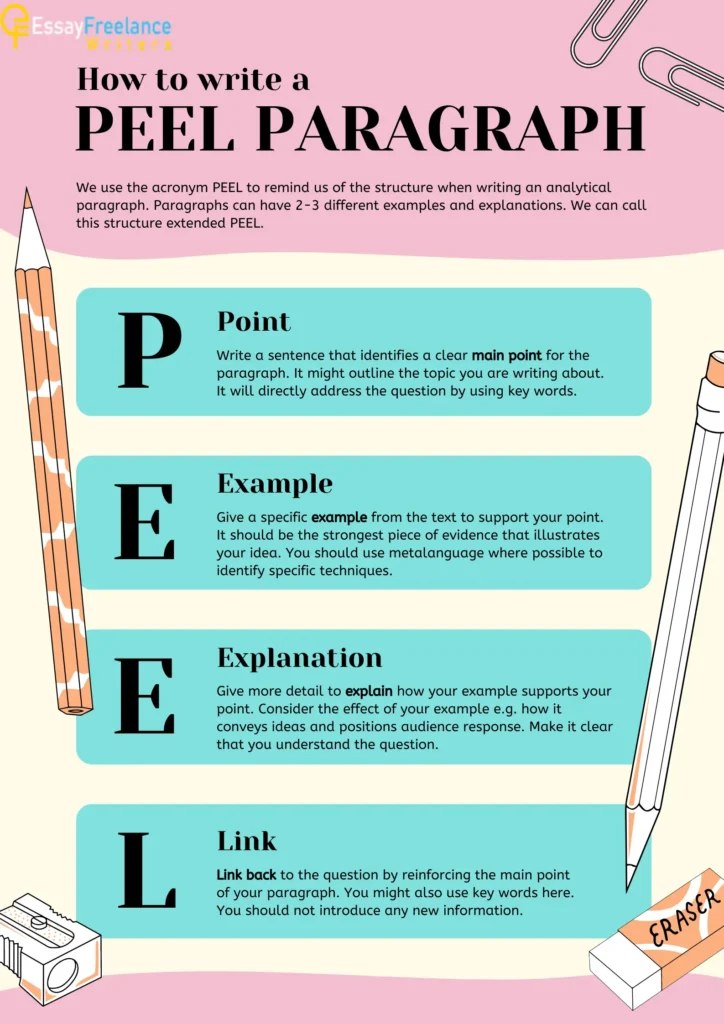
![Explore Real SAT Essay Prompts and Examples for Effective Prep [2026]](https://essayfreelancewriters.com/wp-content/uploads/SAT-Essay-Prompts-1080x675.webp)