Writing an effective artist statement is an essential skill for any visual artist, as it serves as a bridge between your work and your audience. In this article, we will explore how to write an artist statement that not only articulates your creative vision but also engages viewers and collectors.
An artist statement provides insight into your artistic process, influences, and the themes that drive your work, making it a crucial component of your professional identity. By examining various artist statement examples, we will highlight the key elements that make an impactful statement, from clarity and authenticity to personal narrative. Whether you are preparing for a gallery exhibition, applying for grants, or simply seeking to communicate your artistic journey, understanding how to write an artist statement will empower you to present your work with confidence and clarity.
Let’s dive in and unlock the secrets to crafting a compelling statement that resonates with your audience.
Key Takeaways
An artist statement bridges the gap between the artist’s work and the audience, providing insights into the artistic process and influences.
Key components of an effective artist statement include an introduction, creative process description, inspiration and philosophy, and a conclusion about future goals.
The statement should be concise, aiming for clarity and authenticity without using overly complex language or art jargon.
It is essential to tailor the artist statement for different audiences, whether for exhibitions, grant applications, or applications to MFA programs.
Regularly update the artist statement to reflect evolving artistic practices, new inspirations, and achievements.
What is an Artist Statement?
An artist statement is a brief written description of your artwork, offering insights into your creative process, philosophy, and inspirations. It’s not just for exhibitions or galleries—it’s also a valuable tool for grant applications, MFA programs, and residencies. Think of it as your chance to talk about your art when you’re not present to explain it in person.
In essence, an artist’s statement provides context to your work. Imagine someone unfamiliar with your art encountering it for the first time. They’re likely to have questions about your intentions, your influences, and the techniques you use. A well-written artist statement answers those questions in a concise and engaging way.
For a broader discussion on topics surrounding art and its impact, check out our curated list of engaging art debate topics.
The Importance of an Artist Statement
An artist statement is your chance to share the story behind your work, offering viewers a deeper understanding of your creative vision. Whether you’re preparing for a gallery exhibition, applying for an MFA program, or submitting grant applications, a well-crafted artist statement can make all the difference. Think of it as a bridge connecting your artwork to the viewer, enabling them to see your art through your eyes. Let’s dive into the step-by-step process of crafting an impactful artist statement.
Defining the Role of an Artist Statement
An artist statement serves as more than just a description of your work; it’s an opportunity to convey your philosophy and artistic journey. This concise document helps a gallery curator, art dealer, or casual viewer better relate to your work. Whether your medium is painting, sculpture, or collage, your statement provides context and gives insight into your creative process. It’s immensely important to convey your ideas in a way that is both authentic and engaging.
When writing your artist statement, remember that it shouldn’t be overly pretentious or laden with art jargon. Instead, aim for straightforward language that invites understanding and interpretation.
Get Your Perfect Artist Statement
Want a custom Artist Statement tailored to your needs? Place your order today by clicking the ORDER NOW button above to get our expert academic writing help. We’ll deliver a high-quality, plagiarism-free paper designed to impress!
To craft a compelling artist statement, you need to include essential components that highlight your unique artistic identity:
Introduction: Start with a sentence that describes your art and medium. For example, “My work primarily explores the intersection of painting and collage, using vibrant colors to convey emotion.”
Creative Process: Describe how you make your art. This could include materials, techniques, or your approach to brainstorming ideas.
Inspiration and Philosophy: Share what influences your work and how it relates to the art world or your personal experiences.
Context and Meaning: Explain what you hope viewers take away from your artwork.
Conclusion: End with a note about your goals or what you’re working on next.
Each section should flow seamlessly into the next, creating a narrative that is easy for the reader to follow.
How to Write an Artist Statement
Crafting an artist statement can seem daunting, but it’s a skill that improves with practice. Here are step-by-step suggestions to help you write something meaningful and impactful:
If you’re crafting a personal profile alongside your artist statement, our guide on writing a profile essay offers practical tips and insights.
1. Start with Brainstorming
Before you even begin to write, spend some time reflecting on your art. Ask yourself:
“What inspires me to create?”
“What techniques or materials do I use?”
“What emotions or ideas do I want to convey through my art?”
Jot down your thoughts on paper without worrying about structure or grammar. This free-flowing process will help you uncover key themes and ideas that you can later refine.
2. Focus on Your Medium and Process
When you write, it’s a good idea to start by introducing your medium. Are you a painter, sculptor, or mixed-media artist? Share details about how you create your work and the tools or materials you use. For instance:
“I create abstract landscapes using acrylics and mixed media, layering textures to evoke the dynamic interplay between natural and urban environments.”
This gives your reader a clear visual and helps them develop an understanding of your practice.
3. Explain the “Why” Behind Your Art
Your audience wants to know what drives you to create. Whether it’s personal experiences, social issues, or your fascination with the visual arts, this is where you connect emotionally with your reader. Be honest and specific:
“My art explores themes of memory and loss, drawing inspiration from my family’s migration stories. By incorporating fragments of fabric and found objects, I aim to create pieces that resonate with shared histories.”
4. Be Concise and Avoid Fluff
Your statement doesn’t need to be long. A strong statement can be as short as 150 words. Focus on clarity over complexity. Avoid turning your statement into a theoretical essay or a verbose lecture. Instead, write as if you’re explaining your work to a friend.
5. Edit and Proofread Before Submitting
Once you’ve drafted your statement, read it aloud. This will help you catch awkward phrasing and ensure it flows smoothly. Share it with another person for feedback—a colleague, mentor, or friend who is familiar with your work. They can provide suggestions for improvement and help you ensure it’s polished.
For help ensuring your citations are accurate and properly formatted, explore our detailed guide on APA citations. This is important for artists submitting applications or academic proposals.
6. Customize for Your Audience
Tailor your statement based on where you’ll use it. For example:
For a gallery exhibition: Emphasize the themes in your current work.
For grant applications: Highlight the impact of your work and its potential future directions.
For an MFA program: Include insights into how your art has evolved and your aspirations.
7. Keep Your Statement Updated
As your art evolves, so should your artist statement. Revisit it regularly to reflect new inspirations, techniques, or accomplishments. Think of it as a living document that grows with you.
Custom Artist Statement Papers
Struggling to craft the perfect Artist Statement? Order now, and our professional writers will provide you with an original, well-researched paper that stands out. Click the ORDER NOW button to get your plagiarism-free paper today!
The heart of any artist’s statement lies in its authenticity. Your voice should shine through, reflecting your personal journey and creative philosophy. Start by brainstorming words and phrases that describe your art. Think about the emotions your work evokes, the influences that drive your creative process, and how your art has evolved over time.
For example, if your paintings are inspired by nature, you might write,
“My artistic practice is rooted in a fascination with the natural world, drawing on organic forms to create immersive landscapes.” Avoid generic statements that could apply to anyone—this is your chance to stand out.
Reading your artist statement aloud can help you identify areas where your voice may sound generic or disconnected. Don’t be afraid to revisit and edit your statement to clarify your message.
Dos and Don’ts When Writing Your Statement
While writing your artist statement can be a creative process, there are clear guidelines that can help ensure it’s both professional and impactful:
Dos:
Be concise: Keep your statement between 150 and 300 words.
Use clear and descriptive language: Paint a vivid picture of your art for the reader.
Proofread: Ensure your grammar, syntax, and sentence structure are polished.
Focus on your unique perspective: What sets you apart as an artist?
Read your statement aloud: This helps catch any awkward phrasing or complicated grammatical structures.
Don’ts:
Avoid jargon: Art jargon may sound impressive but often alienates the viewer.
Don’t be pretentious: Authenticity is more engaging than trying to sound overly intellectual.
Steer clear of vague statements: Be specific about your art and its context.
Don’t write a set formula: Your statement should reflect your individuality, not a generic template.
Examples of Effective Artist Statements
Looking at examples of well-written artist statements can inspire you and provide a practical framework for your own. Here are some artist statement examples:
1. For a Solo Gallery Exhibition
This statement is tailored for a gallery exhibition, focusing on the themes and inspiration behind the showcased series. It invites viewers to engage emotionally with the work.
“My art explores the fragility of memory, using layered textures and muted color palettes to evoke a sense of nostalgia. This series, titled ‘Echoes of the Past,’ delves into personal and collective histories, drawing inspiration from old photographs and found objects. Through these pieces, I hope to create a space for viewers to reflect on their own memories and experiences.”
2. For an MFA Application
This statement highlights the artist’s journey and aspirations, emphasizing their readiness for graduate-level study and how the program aligns with their goals.
“As a sculptor, I’ve spent the past five years experimenting with organic materials like clay and wood to explore themes of impermanence and transformation. My practice is rooted in a deep connection to nature, and I draw inspiration from the cyclical processes of growth and decay. Pursuing an MFA will provide the opportunity to further refine my technical skills and develop new conceptual frameworks for my work.”
3. For a Residency Application
Residency applications often look for artists who can articulate how the opportunity will impact their work. This statement emphasizes collaboration and future growth.
“My artistic practice focuses on the intersection of technology and human connection, using interactive installations to explore how digital interfaces shape our relationships. I am particularly interested in how physical spaces can be transformed into immersive environments that foster dialogue and community. This residency will allow me to collaborate with other creatives and expand the scale of my installations.”
4. For a Grant Application
Grant statements should clearly outline the purpose of the funding and its impact. This example connects the artist’s work to social issues and community engagement.
“Through my paintings, I aim to document the rapidly changing urban landscapes of my hometown. Using bold colors and dynamic brushstrokes, I capture the vibrancy of communities facing displacement and redevelopment. Funding from this grant will enable me to expand my series, conduct field research, and exhibit the work in local community centers.”
5. For an Online Portfolio
Online portfolios require concise, engaging statements that introduce the artist’s style and themes to a broad audience.
“My work blends traditional and digital mediums to create surreal, dreamlike compositions. Drawing inspiration from mythology and folklore, I explore themes of transformation and identity. Each piece invites the viewer into a world where the boundaries between reality and imagination blur.”
6. For a Collaborative Project
Collaborative projects benefit from statements that highlight teamwork and shared themes while showcasing the individual artist’s contribution.
“As a textile artist, I’m fascinated by the stories embedded in fabrics and patterns. This collaborative project explores cultural identity through the lens of textile traditions, bringing together techniques from different regions to create a collective narrative. My role involves weaving pieces that reflect my own heritage while integrating elements contributed by other artists.”
7. For a Public Art Proposal
Public art statements should connect the work to the community, focusing on accessibility and impact.
“This mural design celebrates the resilience and diversity of our community, depicting scenes of daily life interwoven with motifs inspired by local flora and fauna. Using a vibrant color palette, the artwork aims to brighten public spaces and spark conversations about our shared heritage.”
8. For a Group Exhibition
In group exhibitions, it’s important to relate your work to the overarching theme while highlighting your unique perspective.
“My mixed-media collages are part of the ‘Voices in Harmony’ exhibition, which explores the interplay of individual and collective identity. By layering photographs, text, and fabric, I aim to create pieces that reflect the complexity of belonging. This work aligns with the exhibition’s theme by emphasizing the ways personal narratives contribute to a larger societal tapestry.”
9. For Social Media Bios
Social media bios should be short, engaging, and tailored to a casual audience. They often include a call to action.
“Painter and printmaker exploring the intersection of nature and abstraction. My work combines organic forms and bold textures to create immersive compositions. DM for collaborations or commissions.”
10. For an Artist’s Website
Artist website statements often serve as a personal introduction, combining professionalism with approachability to attract potential buyers or collaborators.
“Welcome to my creative world! I’m a visual artist specializing in watercolor and ink drawings that celebrate the beauty of everyday moments. My work is inspired by the interplay of light and shadow, capturing fleeting scenes with delicate lines and washes of color. Through my art, I hope to bring a sense of calm and wonder to the viewer.”
Notice how the statements are concise, descriptive, and free of pretentious language. It gives the reader a clear sense of the artist’s work and philosophy.
Perfect Your Artist Statement
Need a unique, compelling Artist Statement? Our expert academic writers are ready to help. Place your order today by clicking the ORDER NOW button above and receive a plagiarism-free, top-notch paper tailored to your style.
An artist statement isn’t one-size-fits-all. Depending on your audience, you’ll need to adjust your tone and content. For example:
For a gallery exhibition: Focus on your medium and artistic process, describing how your work fits into the exhibition’s theme.
For a residency application: Highlight your goals and how the residency will support your artistic development.
For grant applications: Emphasize the impact of your work and how the funding will further your practice.
Always consider who’ll be reading your artist statement and tailor it accordingly. Another way to ensure your statement resonates is to have someone else, like a colleague or professional, review it for clarity.
Common Mistakes and How to Avoid Them
Even seasoned artists can make mistakes in their statements. Here are some pitfalls to watch out for:
Overcomplicating the language: Keep your sentences simple and avoid overly complicated grammatical structures.
Ignoring word count: A concise statement is more impactful than a lengthy one. Aim for around 150 to 300 words.
Lacking focus: Stick to a few key ideas rather than trying to cover everything.
Skipping proofreading: Typos and grammatical errors can undermine your professionalism.
Conclusion
Remember, your artist statement is not set in stone; it’s a living document that evolves alongside your art and practice. Think of it as a tool to communicate your vision, clarify your intentions, and connect with your audience. With the tips and strategies outlined here, you’ll be well-prepared to write an artist statement that accurately conveys your artistic journey and resonates with the art world. So, start writing today and let your unique voice shine through!
FAQs
What is a good example of an artist statement?
A good artist statement is concise, descriptive, and free of jargon. It should describe your art, medium, creative process, and philosophy while being authentic and engaging.
How do I start my artist statement?
Start your artist statement with a sentence that introduces your art and medium. For example, “I create abstract paintings that explore the interplay of light and shadow.”
What are the three parts of an artist’s statement?
The three main parts of an artist statement are:
Introduction: Describe your art and medium.
Body: Explain your creative process and inspiration.
Conclusion: Share your goals or what you’re working on next.
How do you write a 50-word artist statement?
To write a concise 50-word artist statement, focus on describing your art, medium, and philosophy in one or two sentences. For example, “My paintings explore the intersection of nature and abstraction, using bold colors and textures to evoke a sense of wonder. My work is inspired by the organic forms found in the natural world.”
With a deep understanding of the student experience, I craft blog content that resonates with young learners. My articles offer practical advice and actionable strategies to help students achieve a healthy and successful academic life.
As a writer and educator, I’ve guided countless students on how to write an argumentative essay. Whether you’re a high school student preparing for college or a university student honing your academic skills, mastering the art of argumentative writing is crucial.
In this blog post, I’ll explain how to create a powerful and persuasive argumentative essay that will impress your professors and engage your readers.
An argumentative essay is a powerful tool for presenting a well-reasoned stance on a controversial topic. It’s not just about stating your opinion; it’s about building a logical case supported by evidence and addressing potential counterarguments. Let’s dive into the world of argumentative writing and unlock the secrets to crafting essays that make a lasting impact.
Key Takeaways
An argumentative essay requires a clear stance on a debatable issue, supported by logical reasoning and concrete evidence.
Key components of an argumentative essay include a clear thesis statement, supporting evidence, logical reasoning, counterargument acknowledgement, and a strong conclusion.
The writing process for an argumentative essay involves choosing a debatable topic, conducting research, developing a thesis, creating an outline, drafting, revising, and proofreading.
Effective body paragraphs should introduce main points with topic sentences, provide supporting evidence, and explain how the evidence connects to the thesis.
Addressing counterarguments strengthens an argumentative essay by demonstrating understanding of opposing views and providing reasons why your position is stronger.
What is an Argumentative Essay?
Before we delve into the writing process, it’s crucial to understand the core elements that define an argumentative essay. At its heart, an argumentative essay is a type of persuasive writing that aims to convince the reader of a particular viewpoint or course of action. Unlike other forms, an argumentative essay requires a clear stance on a debatable issue and supports it with logical reasoning and concrete evidence.
The key components of an argumentative essay include:
A clear thesis statement that presents your main argument
Supporting evidence from credible sources
Logical reasoning that connects your evidence to your thesis
Acknowledgment and refutation of counterarguments
A strong conclusion that reinforces your position
Remember, the goal is to express your opinion and engage in a thoughtful debate with your reader, anticipating and addressing their potential objections.
What Is the AP Language Argument Essay?
The AP Language Argument Essay is a key component of the Advanced Placement English Language and Composition exam. This essay task requires students to craft a persuasive argument on a given topic, demonstrating their ability to analyze complex issues and communicate effectively. Students must develop a clear thesis, present logical reasoning, and use relevant evidence to support their position.
The essay also tests students’ skill in addressing counterarguments and using rhetorical modes to enhance their persuasive power. Successful essays typically incorporate a variety of credible sources, proper citation techniques, and strong rhetoric to convince readers of the argument’s validity. The AP Language Argument Essay assesses writing ability and critical thinking skills, preparing students for college-level discourse and argument essay composition.
Basic Argumentative Essay Structure
Now that we understand what an argumentative essay is, let’s look at its basic structure. A strong argumentative essay follows a clear and logical structure that guides the reader through your argument. This structure typically includes:
Introduction: Grab the reader’s attention and present your thesis statement
Body paragraphs: Present your main points and supporting evidence
Counterargument: Address opposing viewpoints
Conclusion: Reinforce your thesis and leave a lasting impression
This structure provides a roadmap for your reader, making your argument easy to follow and understand. We’ll explore each of these elements in more detail as we move forward
To craft a compelling argumentative essay, you must include several key elements to support your thesis. Let’s break these down:
Thesis statement: This is the heart of your essay, clearly stating your position on the topic.
Supporting evidence: Use facts, statistics, expert opinions, and real-world examples to support your claims.
Logical reasoning: Connect your evidence to your thesis using clear, rational arguments.
Counterarguments: Acknowledge opposing viewpoints and explain why your position is stronger.
Refutation: Address and disprove counterarguments to strengthen your position.
Conclusion: Summarize your main points and reinforce your thesis.
By incorporating these elements, you create a well-rounded argument that anticipates and addresses potential objections, making your essay more persuasive and credible.
How to Write an Argumentative Essay: The Writing Process
The Argumentative Writing Process Explained Clearly
An effective argumentative essay involves a step-by-step process that helps you organize your thoughts and present your argument. Let’s walk through this process together:
Choose your topic: Select a debatable issue you’re passionate about.
Research: Gather information from credible sources to support your argument.
Develop your thesis: Craft a clear, concise statement of your position.
Create an outline: Organize your main points and supporting evidence.
Write your first draft: Focus on getting your ideas down without worrying too much about perfection.
Revise and edit: Refine your arguments, improve your language, and check for logical flow.
Proofread: Check for grammar, spelling, and formatting errors.
Remember, writing is an iterative process. Don’t be afraid to revise and refine your essay multiple times to make it as strong as possible.
The first step in crafting a compelling argument is choosing your topic wisely. This foundational decision sets the stage for your entire essay, so it’s crucial to get it right.
Identify your interests: Reflect on subjects that spark your curiosity or evoke strong opinions. Your genuine interest in the topic will fuel your research and writing process. Consider current events, social issues, or academic debates that resonate with you. Remember, your passion for the subject will shine through in your argument essay, making it more engaging for readers.
Ensure the topic is debatable: A good argumentative topic should have multiple valid perspectives. Look for issues where reasonable people might disagree. This allows you to present a balanced view and refute opposing arguments effectively. Avoid topics with clear-cut answers or those that are purely factual. The goal is to engage in meaningful debate, not simply state obvious truths.
Consider your audience: Consider who will read your essay. Is it for a class assignment, a scholarly publication, or a general audience? Understanding your readers will help you choose a topic that’s appropriate and interesting to them. It will also guide your use of rhetorical modes and the type of evidence you’ll need to support your claims.
Assess available resources: Before committing to a topic, do some preliminary research. Ensure there’s sufficient literature and data available to support your arguments. You’ll need reliable sources for citation in APA style or other required formats. A topic with ample scholarly articles, studies, and expert opinions will provide a solid foundation for your essay.
Narrow your focus: Once you’ve chosen a broad topic, refine it to a specific angle or question. This helps make your essay more manageable and allows for deeper analysis. For example, instead of writing about “climate change” in general, you might focus on “the impact of carbon taxes on reducing greenhouse gas emissions in urban areas.”
Test your topic: Articulate both sides before diving into full research. If you can easily list several points for and against the issue, it’s likely a good choice. This exercise also helps you identify potential counterarguments to address in your essay, strengthening your overall rhetoric.
Seek feedback: Don’t hesitate to discuss your topic ideas with others. Conversations with peers, instructors, or experts can provide valuable insights and help you gauge the topic’s potential. Their input might reveal new angles or challenges you still need to consider, enhancing the depth of your argument.
Be open to change: As you research, remain flexible. Sometimes, initial observations lead to unexpected discoveries that might shift your focus. Be willing to adjust your topic if you find a more compelling angle or if your original choice proves too broad or narrow.
Argumentative Essay Writing Service
Discover the secret weapon to crafting compelling arguments and winning essays – try our Argumentative Essay Writing Service today!
Solid research is essential for building a credible and persuasive argument in your essay. Here are some tips for effective research:
Use various sources: Books, academic journals, reputable websites, and expert interviews.
Evaluate source credibility: Check the author’s credentials, publication date, and potential biases.
Take detailed notes: Record key information and ideas and their sources.
Look for opposing viewpoints: Understanding counterarguments will strengthen your position.
Remember to cite your sources properly using the required format (APA, MLA, Chicago, etc.). This not only gives credit to the original authors but also adds credibility to your argument.
For more information on conducting research, check out our guide on the steps in the research process.
The thesis statement is the backbone of your argumentative essay, clearly stating your position on the topic. A strong thesis should be:
Clear and concise
Debatable
Specific
Focused on a single main idea
For example, instead of writing “Social media is bad,” you might write:
“The excessive use of social media platforms negatively impacts young adults’ mental health and social skills.”
This thesis is specific and debatable and establishes a clear argument that you can support with evidence.
When crafting your thesis, consider the counterarguments you’ll need to address. This will help you refine your position and make your argument stronger.
Enhance your skills in writing a thesis statement for an argumentative essay with our comprehensive tutorial on how to write a thesis statement.
Your introduction sets the stage for your argument and should grab the reader’s attention from the start. A strong introduction typically includes the following:
A hook: An interesting fact, question, or anecdote that draws the reader in.
Background information: Provide context for your topic.
Your thesis statement: Clearly state your position.
For example, you might start with a surprising statistic about social media usage, give a brief background on its rise, and then present your thesis about its negative impacts. The goal is to engage your reader and clearly establish your essay’s arguments.
Unlock the secrets to academic success with our top-notch Research Paper Writing Service—guaranteed to elevate your grades and impress your professors!
The body paragraphs of your argumentative essay are where you present your evidence and reasoning to support your thesis. Each body paragraph should focus on a single main point supporting your argument. Here’s a structure you can follow:
Topic sentence: Introduce the main idea of the paragraph.
Evidence: Present facts, statistics, or expert opinions that support your point.
Explanation: Explain how this evidence supports your argument.
Transition: Connect this paragraph to the next one.
Remember to use logical transitions between paragraphs to ensure a smooth flow of ideas. This helps your reader follow your argument more easily.
A strong argumentative essay acknowledges and addresses potential counterarguments to strengthen your position. This shows that you’ve considered different perspectives and demonstrates the strength of your argument. Here’s how to effectively address counterarguments:
Identify the strongest counterarguments to your position.
Present these counterarguments fairly and accurately.
Explain why these counterarguments are flawed or why your position is stronger.
By addressing opposing viewpoints, you show you’ve engaged in critical thinking and considered the issue from multiple angles. This adds depth and credibility to your essay.
For advanced techniques in crafting counterarguments, don’t miss our expert-level article on how to write counter arguments.
Concluding Your Argumentative Essay
Concluding Your Argumentative Essay
Your conclusion should reinforce your thesis and leave a lasting impression on your reader. A strong conclusion:
Restate your thesis (in different words)
Summarize your main points
Provides a final thought or call to action
Avoid introducing new information in your conclusion. Instead, focus on synthesizing what you’ve already discussed and emphasizing the importance of your argument.
Examining a well-written example can help you understand how to apply these principles in practice. Let’s look at the following examples of argumentative academic essays:
Mastering the art of writing an argumentative essay is a valuable skill that will serve you well in academics and beyond. By following this guide, you’ll be well-equipped to craft persuasive, well-reasoned arguments that engage your readers and make a lasting impact.
Remember, the key to a great argumentative essay lies in thorough research, clear reasoning, and the ability to anticipate and address counterarguments. With practice and persistence, you’ll find your voice as a writer and develop the skills to tackle even the most challenging topics.
As you embark on your next argumentative essay, remember these strategies. And remember, every great writer was once a beginner. Embrace the process, seek feedback, and don’t be afraid to revise and refine your work. Happy writing!
FAQs on How To Write An Argumentative Essay
How do you start an argumentative essay?
✓
To start an argumentative essay, begin by selecting a topic that interests you and is arguable. Conduct thorough research to gather knowledge and evidence to support your argument. Create an outline with your main claim or thesis and supporting points. Craft a compelling introductory paragraph that grabs the reader’s attention and clearly states your position.
What is the structure of an argumentative essay example?
✓
An argumentative essay’s structure typically includes an introductory paragraph with a thesis statement, followed by body paragraphs that present arguments and evidence, address opposing views, summarize the key points discussed, and reiterate the main claim.
What are the five parts of an argumentative essay?
✓
The five parts of an argumentative essay include the introduction, where the thesis statement is presented; body paragraphs that support the argument with evidence and analysis; counterarguments addressing opposing views; rebuttal to refute counterarguments; and a conclusion that restates the thesis and summarizes key points.
What is argumentative writing with examples?
✓
Argumentative writing is academic writing that presents a claim or argument on a specific topic and supports it with evidence and logic. For example, an argumentative essay on the impact of social media might present statistics, expert opinions, and real-life examples to support the argument.
With a deep understanding of the student experience, I craft blog content that resonates with young learners. My articles offer practical advice and actionable strategies to help students achieve a healthy and successful academic life.
Looking for the best persuasive speech topics on social issues for your next public speaking assignment? You’re in the right place! Typically, picking a compelling topic is half the battle won. I believe that addressing real-world problems can spark impactful discussions and inspire change. I’ve observed firsthand situations where a well-delivered speech has ignited a wave of action within communities. I’ve been involved in various public speaking events where topics on social issues resonated deeply with the audience, prompting them to reflect and take action. In my experience, choosing the right topic that you’re passionate about can make a world of difference in delivering an amazing speech. Whether it’s an informative speech or a call to action, the right social topic can make a difference. From my perspective, social issues affect us all, and speaking about them can be a powerful tool for creating awareness and fostering understanding.
So, let’s dive into some fantastic speech topic ideas that can help you make a real impact!
Key Takeaways
Selecting a persuasive speech topic on social issues is crucial for engaging the audience and inspiring action.
Relevant topics should reflect the audience's concerns and the speaker's passion and knowledge.
Effective speeches on social issues can promote awareness, understanding, and motivate change within communities.
Controversial social issues can stimulate thought-provoking discussions and critical thinking among the audience.
Including a call to action in the speech is important to encourage the audience to take steps toward addressing the issue.
What Makes a Good Persuasive Speech Topic?
Relevance to the Audience: The first thing to consider is whether the topic is relevant to the people you’re speaking to. Think about what issues are affecting your community or the world at large. Are there any different social issues that you and your peers feel strongly about?
Your Passion and Knowledge: It’s essential to choose a topic you’re passionate about and have some knowledge of. When you speak about something you care about, it’s easier to convey your message effectively and engage your audience. What are some things you care deeply about? Do you have personal experiences that relate to any of these social issues?
Impact and Significance: Consider the potential impact of the topic on your audience. Will it make them think or act differently? Does the issue have broader social implications that can benefit from your speech? How can you use social and emotional appeals to connect with your audience and make them care about the issue?
Controversy and Discussion: Controversial topics often spark engaging discussions. While it’s important to be respectful, discussing a topic with varying opinions can encourage critical thinking and thoughtful dialogue. Have you come across any controversial issues that have divided opinions? How could you approach such topics in a persuasive speech?
Call to Action: An effective persuasive speech often includes a call to action, encouraging the audience to do something about the issue. Think about what actions you’d like your audience to take after hearing your speech. How can you motivate them to make a difference in the world?
Papers For Money
Struggling to meet your dissertation deadline? Ensure a top-quality finish by checking out our low-cost Papers For Money writing service for expert assistance from dedicated PhD-qualified writers.
Addressing Mental Health Challenges in the Digital Age
Sustainable Living for a Greener Tomorrow
Navigating the Ethics of Artificial Intelligence
Enhancing Cybersecurity Measures for Data Protection
Rethinking Education for the Modern World
Tackling Global Health Crises with Innovation
Ensuring Equitable Access to Education and Technology
Combating Disinformation and Misleading Content Online
Reducing Carbon Footprint and Promoting Renewable Energy
Fostering Ethical Practices in the Era of Big Data
Empowering Youth Leadership for Social Change
Nurturing Mental Resilience in an Uncertain World
Advocating for a Sustainable and Ethical Fashion Industry.
List of Persuasive Speech Topics for College
The Importance of Critical Thinking in Higher Education
Addressing Mental Health Challenges Among Students
Promoting Diversity and Inclusion on Campus
Combating Sexual Assault and Harassment in Universities
Navigating the Impact of Social Media on Student Well-being
Encouraging Sustainable Practices in College Communities
The Role of Student Activism in Creating Change
Fostering Healthy Relationships and Communication Skills
Promoting Financial Literacy and Responsible Budgeting
Tackling Food Insecurity Among College Students
Encouraging Civic Engagement and Political Participation
Supporting Entrepreneurship and Innovation on Campus
Promoting Cultural Awareness and Sensitivity in the Classroom
The Significance of Internships and Experiential Learning
Advocating for Mental Health Resources and Support Services.
Critical Literature Review Services
Make the most of your precious time and be confident your literature review is comprehensive - check out our affordable Critical Literature Review Services for expert assistance with this vital part of your dissertation.
Business Persuasive Speech Topics
Ethical Considerations in Corporate Decision-making
The Importance of Workplace Diversity for Innovation
Navigating the Challenges of Remote Work Culture
Promoting Sustainable Business Practices for Environmental Conservation
Effective Strategies for Building a Strong Company Culture
The Role of Emotional Intelligence in Leadership
Encouraging Gender Equality and Inclusivity in the Workplace
Addressing the Impacts of Global Supply Chain Disruptions
Nurturing Entrepreneurship and Small Business Development
Strategies for Enhancing Customer Experience and Satisfaction
The Significance of Corporate Social Responsibility
Leveraging Technology for Business Growth and Transformation
Balancing Profitability with Corporate Social Values
Promoting Work-Life Balance and Employee Well-being
The Power of Effective Communication in Business Negotiations.
Sports Persuasive Speech Topics
Implementing Stricter Regulations for Sports Concussions
The Impact of Sports Participation on Youth Development
Gender Equality in Professional Sports and Pay Disparities
Promoting Inclusivity and Diversity in Sports Teams
Addressing Performance-Enhancing Drugs in Athletics
The Role of Sports in Promoting Physical and Mental Health
Encouraging Equal Opportunities for Athletes with Disabilities
Combating Racial Discrimination in Sports Culture
The Importance of Sportsmanship and Fair Play in Competitions
Reducing the Pressure on Young Athletes in Competitive Sports
Advocating for Accessible and Equitable Sports Facilities
Promoting the Benefits of Team Sports for Social Development
Nurturing Respect for Referees and Officials in Sporting Events
The Role of Sports in Building Community and Camaraderie
Supporting Sports Programs for Underprivileged Youth.
Promoting Diversity and Inclusivity Among Students
Addressing Bullying and Cyberbullying in Educational Settings
The Role of Technology in Modern Education
Navigating the Impact of Social Media on Teenagers
Promoting Environmental Sustainability and Green Initiatives
The Relevance of Financial Literacy and Budgeting Skills
Advocating for Comprehensive Sex Education in Schools
Combating Peer Pressure and Substance Abuse Among Students
Empowering Student Voice and Civic Engagement
Balancing Academic Pressure with Mental Well-being
The Significance of Arts and Humanities Education
Promoting Critical Thinking and Problem-Solving Skills
The Impact of Community Service and Volunteerism for Students.
Trending Research Topics On Social Issues
The Impact of Social Media on Mental Health Among Adolescents
Addressing Inequality and Discrimination in Education Systems
Trends in Urbanization and Its Societal Implications
The Role of Technology in Reducing Income Inequality
Mental Health Stigma and Access to Support Services
Examining the Effects of Climate Change on Vulnerable Communities
Innovations in Community Development and Social Welfare Programs
The Dynamics of Refugee Integration and Resettlement Policies
Trends in Family Structure and Their Impact on Social Dynamics
Understanding the Intersection of Race and Criminal Justice Systems
Technological Advancements in Promoting Accessible Healthcare
The Effects of Globalization on Cultural Identity and Diversity
Exploring Social Entrepreneurship and Sustainable Business Models
The Impact of Artificial Intelligence on Employment and Workforce Dynamics
Innovations in Education for Bridging the Digital Divide.
English Paper Writing Service
Before you start writing, don\'t forget to check out our incredibly affordable English Paper Writing Service where our professional writers can take that entire essay off your plate!
Cyberbullying and Online Harassment Among Students
Homelessness and Housing Insecurity Among College Students
Relationship Violence and Support Services
Climate Change Awareness and Sustainable Initiatives
Discrimination and Racial Tensions on Campus
Balancing Work and Study for Financial Independence
Mental Health Challenges During the College Transition
Access to Affordable Healthcare for Students.
Public Speaking Persuasive Speech Topics
The Power of Effective Communication in Leadership
Navigating Workplace Diversity and Inclusion
Encouraging Environmental Sustainability in Communities
Promoting Mental Health Awareness in Society
Addressing Gender Inequality in the Workplace
Advocating for Ethical Practices in Business
Importance of Volunteerism and Community Engagement
Combating Social Injustices and Discrimination
Encouraging Critical Thinking and Problem-Solving Skills
Promoting Healthy Lifestyle Choices for Well-being
The Role of Education in Fostering Social Change
Overcoming Challenges Through Resilience and Perseverance
Nurturing Empathy and Compassion in Society
The Significance of Active Citizenship and Civic Participation.
Computer Science Assignment Help
Struggling with your computer science assignments? Check out our Computer Science Assignment Help services for expert solutions that will skyrocket your grades!
Need help with your persuasive speech paper? Look only as much as Essay Freelance Writers, the best in the industry, for top-notch academic assistance. Whether you’re grappling with a challenging topic or feeling overwhelmed by looming deadlines, our expert writers are here to lend a helping hand. Need to impress your professor with a compelling argument? Our skilled writers can craft a persuasive speech to knock their socks off. Don’t let the pressure get to you – place your order today by clicking the ORDER NOW button above, and let us take the stress off your shoulders. You’re in good hands!
FAQs
What are the social issue topics for a persuasive speech?
Some potential social issue topics for a persuasive speech could include homelessness, climate change, gender equality, mental health stigma, and racial discrimination.
What would you say is a good persuasive topic to talk about?
A good persuasive topic to discuss would be something you’re passionate about, such as advocating for animal rights, supporting renewable energy initiatives, or addressing the importance of mental health awareness.
What is the best social issue to write about?
The best social issue to write about is one that resonates with you and has a significant impact on your community or society, whether it’s related to education, healthcare, environmental sustainability, or social justice.
What are the specific topics about social issues?
Specific topics about social issues can range from discussing the challenges of income inequality and poverty to exploring the effects of social media on mental health or addressing the importance of diversity and inclusion in various spheres of life.
With a deep understanding of the student experience, I craft blog content that resonates with young learners. My articles offer practical advice and actionable strategies to help students achieve a healthy and successful academic life.
When it comes to academic writing, selecting the right rhetorical essay topics is crucial for crafting a compelling piece. A well-chosen topic not only engages the reader but also allows the writer to effectively analyze and interpret various rhetorical strategies.
This article will explore a variety of topic ideas that can inspire your next rhetorical analysis paper, helping you to delve deeper into the art of persuasion in written and spoken communication.
Whether you’re a seasoned essay writing expert or a novice looking to sharpen your skills, understanding the nuances of rhetorical essay topics will enhance your ability to use rhetorical devices effectively. From examining influential speeches to dissecting persuasive advertisements, the possibilities are endless.
Join us as we uncover some intriguing topic suggestions that will elevate your rhetorical essay to new heights.
Key Takeaways
Selecting the right rhetorical essay topics is crucial for effective academic writing.
Understanding the rhetorical situation, including purpose, audience, and context, is essential for choosing a focused topic.
Identifying texts that use a variety of rhetorical techniques allows for more in-depth analysis.
Consider your own interests and expertise when selecting a topic to enhance the writing process.
Brainstorm and evaluate potential topics to ensure they offer sufficient depth and complexity for analysis.
How to Choose a Rhetorical Analysis Essay Topic?
When it comes to writing a rhetorical analysis essay, the choice of topic is crucial. The topic you select will not only shape the focus of your analysis but also determine the depth and complexity of your essay. Here are some tips to help you choose an effective rhetorical analysis essay topic:
Understand the Rhetorical Situation: Begin by considering the rhetorical situation, which includes the purpose, audience, and context of the text or artifact you plan to analyze. Choosing a topic that aligns with a clear rhetorical situation will ensure that your analysis remains focused and relevant.
Identify Compelling Rhetorical Techniques: Look for texts or artifacts that utilize a variety of rhetorical devices, such as appeals to ethos, pathos, and logos, as well as stylistic elements like repetition, metaphor, or irony. These types of texts will provide more opportunities for in-depth analysis.
Consider Your Interests and Expertise: Select a topic that aligns with your own interests and areas of expertise. This will not only make the writing process more enjoyable but will also allow you to draw upon your existing knowledge and insights.
Explore Potential Rhetorical Analysis Essay Topics: Brainstorm a list of potential topics, such as speeches, advertisements, essays, or other forms of communication. Consider both classic and contemporary examples, as well as texts that address a wide range of subject matter, from politics and culture to science and technology.
Evaluate the Depth and Complexity of the Topic: Once you have a list of potential topics, evaluate each one to ensure that it offers sufficient depth and complexity for a rhetorical analysis essay. Look for topics that allow you to explore multiple rhetorical strategies and their effects on the audience.
Narrow Down and Refine the Topic: After considering the factors above, narrow down your list of potential topics and refine the focus of your analysis. A well-defined and specific topic will allow you to craft a focused and compelling rhetorical analysis essay.
College Entrance Essay Writing Services
Explore our college entrance essay writing services for expert assistance in crafting a compelling and unique essay that showcases your strengths and aspirations.
1. Analyzing the rhetorical techniques used in Martin Luther King Jr.’s “I Have a Dream” speech. 2. Examining the use of pathos, logos, and ethos in a presidential campaign speech. 3. Evaluating the rhetorical strategies employed in a Supreme Court opinion. 4. Analyzing the rhetorical devices used in a public service announcement about climate change. 5. Assessing the rhetorical effectiveness of a TED talk on the importance of critical thinking. 6. Examining the rhetorical techniques used in a corporate social responsibility report. 7. Analyzing the rhetorical strategies employed in a political debate. 8. Evaluating the use of rhetorical appeals in a book review. 9. Examining the rhetorical devices used in a student protest manifesto. 10. Analyzing the rhetorical effectiveness of a magazine advertisement for a luxury product.
Fun & Interesting Rhetorical Analysis Essay Topics:
1. Examining the rhetorical techniques used in the lyrics of a popular song. 2. Analyzing the rhetorical strategies employed in a stand-up comedy routine. 3. Evaluating the rhetorical devices used in a social media influencer’s post. 4. Assessing the rhetorical effectiveness of a viral video content creator’s vlog. 5. Examining the rhetorical techniques used in a political meme. 6. Analyzing the rhetorical strategies employed in a satirical news article. 7. Evaluating the use of rhetorical appeals in a professional wrestler’s promo. 8. Examining the rhetorical devices used in a popular video game’s tutorial. 9. Analyzing the rhetorical effectiveness of a celebrity’s acceptance speech. 10. Evaluating the rhetorical techniques used in a parody of a famous speech.
Amazing Rhetorical Analysis Essay Topics on MOVIES:
1. Analyzing the rhetorical strategies employed in the opening monologue of a sci-fi film. 2. Evaluating the use of rhetorical devices in the dialogue of a historical drama. 3. Examining the rhetorical techniques used in the voiceover narration of a documentary. 4. Analyzing the rhetorical effectiveness of the character’s persuasive arguments in a courtroom drama. 5. Evaluating the rhetorical appeals used in the marketing campaign of a blockbuster superhero movie. 6. Examining the rhetorical devices used in the political commentary present in a dystopian film. 7. Analyzing the rhetorical strategies employed in the emotional appeals of a romantic comedy. 8. Evaluating the use of rhetorical techniques in the inspirational speeches of a sports biopic. 9. Examining the rhetorical effectiveness of the environmental message in a nature documentary. 10. Analyzing the rhetorical devices used in the propaganda-like rhetoric of a war film.
Good Rhetorical Analysis Essay Topics:
1. Analyzing the rhetorical techniques used in a presidential inaugural address. 2. Evaluating the use of rhetorical appeals in a nonprofit organization’s fundraising campaign. 3. Examining the rhetorical strategies employed in a TED talk on the importance of education. 4. Analyzing the rhetorical effectiveness of a social media influencer’s call-to-action. 5. Evaluating the rhetorical devices used in a university commencement speech. 6. Examining the rhetorical techniques used in a political party’s platform statement. 7. Analyzing the rhetorical strategies employed in a human rights organization’s advocacy letter. 8. Evaluating the use of rhetorical appeals in a corporate CEO’s shareholder report. 9. Examining the rhetorical effectiveness of a scientific journal article’s introduction. 10. Analyzing the rhetorical devices used in a literary critic’s book review.
1. Evaluating the rhetorical strategies employed in a religious sermon. 2. Analyzing the use of rhetorical appeals in a social media activism campaign. 3. Examining the rhetorical techniques used in a financial advisor’s investment pitch. 4. Assessing the rhetorical effectiveness of a public health awareness advertisement. 5. Analyzing the rhetorical devices used in a museum exhibit’s informational plaque. 6. Evaluating the rhetorical strategies employed in a start-up company’s elevator pitch. 7. Examining the use of rhetorical appeals in a city council member’s policy proposal. 8. Analyzing the rhetorical techniques used in a fashion designer’s runway show narration. 9. Assessing the rhetorical effectiveness of a book club’s online discussion forum. 10. Evaluating the rhetorical devices used in a culinary influencer’s cooking tutorial.
Visual Rhetorical Analysis Essay Topics:
1. Analyzing the rhetorical strategies employed in a political cartoon. 2. Evaluating the use of rhetorical appeals in an infographic on global wealth inequality. 3. Examining the rhetorical techniques used in a social media campaign’s graphic design. 4. Assessing the rhetorical effectiveness of a product packaging’s visual branding. 5. Analyzing the rhetorical devices used in a museum exhibit’s interactive display. 6. Evaluating the rhetorical strategies employed in a nonprofit organization’s annual report. 7. Examining the use of rhetorical appeals in a data visualization on climate change. 8. Analyzing the rhetorical techniques used in a fashion magazine’s editorial photoshoot. 9. Assessing the rhetorical effectiveness of a company’s corporate logo and tagline. 10. Evaluating the rhetorical devices used in a political campaign’s campaign poster.
Custom Essay Help
Don\'t forget to explore our Custom Essay Help services for personalized assistance tailored to your specific needs.
1. Analyzing the rhetorical strategies employed in a popular self-help book. 2. Evaluating the use of rhetorical appeals in a professional athlete’s post-game interview. 3. Examining the rhetorical techniques used in a university admissions essay prompt. 4. Assessing the rhetorical effectiveness of a cooking recipe’s instructional steps. 5. Analyzing the rhetorical devices used in a fitness influencer’s motivational social media post. 6. Evaluating the rhetorical strategies employed in a student club’s promotional flyer. 7. Examining the use of rhetorical appeals in a job application cover letter. 8. Analyzing the rhetorical techniques used in a local community newsletter. 9. Assessing the rhetorical effectiveness of a product review on an e-commerce platform. 10. Evaluating the rhetorical devices used in a personal statement for a scholarship application.
Funny Rhetorical Analysis Essay Topics:
1. Analyzing the rhetorical strategies employed in a satirical news article. 2. Evaluating the use of rhetorical appeals in a stand-up comedian’s routine. 3. Examining the rhetorical techniques used in a parody social media account. 4. Assessing the rhetorical effectiveness of a humorous political campaign ad. 5. Analyzing the rhetorical devices used in a viral internet meme. 6. Evaluating the rhetorical strategies employed in a comedy sketch show skit. 7. Examining the use of rhetorical appeals in a parody of a famous TED talk. 8. Analyzing the rhetorical techniques used in a satirical corporate training video. 9. Assessing the rhetorical effectiveness of a humorous self-help book. 10. Evaluating the rhetorical devices used in a parody of a political debate.
Unique Literature Rhetorical Analysis Essay Topics:
1. Analyzing the rhetorical strategies employed in a Shakespearean soliloquy. 2. Evaluating the use of rhetorical appeals in a gothic horror novel’s narration. 3. Examining the rhetorical techniques used in a modernist poet’s free verse. 4. Assessing the rhetorical effectiveness of a magical realism author’s descriptive passages. 5. Analyzing the rhetorical devices used in a postmodern novelist’s metafictional commentary. 6. Evaluating the rhetorical strategies employed in a Romantic era essayist’s prose. 7. Examining the use of rhetorical appeals in a classical epic poem’s invocation. 8. Analyzing the rhetorical techniques used in a feminist author’s political manifesto. 9. Assessing the rhetorical effectiveness of a young adult fiction writer’s dialogue. 10. Evaluating the rhetorical devices used in a historical fiction author’s narrative voice.
Comparative Rhetorical Analysis Essay Topics:
1. Comparing the rhetorical strategies employed in two presidential inaugural addresses. 2. Evaluating the use of rhetorical appeals in a series of political campaign advertisements. 3. Examining the rhetorical techniques used in competing TED talks on the same topic. 4. Assessing the rhetorical effectiveness of advertisements for rival consumer products. 5. Analyzing the rhetorical devices used in op-eds written from opposing ideological perspectives. 6. Comparing the rhetorical strategies employed in the mission statements of non-profit organizations. 7. Examining the use of rhetorical appeals in graduation speeches delivered at different universities. 8. Analyzing the rhetorical techniques used in the opening monologues of two contrasting film genres. 9. Assessing the rhetorical effectiveness of the rhetoric used in political party platform statements. 10. Evaluating the rhetorical devices used in the marketing campaigns of competing tech startups.
Rhetorical Analysis Essay Topics for College Students:
1. Analyzing the rhetorical techniques used in a TED talk on the future of artificial intelligence. 2. Evaluating the rhetorical appeals in a university admissions essay on overcoming adversity. 3. Examining the rhetorical strategies employed in a student activist group’s social media campaign. 4. Assessing the rhetorical effectiveness of a professor’s lecture on postmodern literary theory. 5. Analyzing the rhetorical devices used in a university newspaper’s editorial on campus free speech. 6. Evaluating the rhetorical appeals in a college career center’s workshop on job interview skills. 7. Examining the rhetorical techniques used in a student government candidate’s campaign platform. 8. Assessing the rhetorical effectiveness of a university alumni association’s fundraising appeal. 9. Analyzing the rhetorical devices used in a campus sustainability club’s environmental awareness event. 10. Evaluating the rhetorical appeals in a student organization’s grant proposal for a community service project.
Rhetorical Analysis Essay Topics for High School:
1. Analyzing the rhetorical strategies employed in a high school valedictorian’s graduation speech. 2. Evaluating the rhetorical appeals in a student council election campaign poster. 3. Examining the rhetorical techniques used in a high school drama club’s production of a classic play. 4. Assessing the rhetorical effectiveness of a school district’s social media post on bullying prevention. 5. Analyzing the rhetorical devices used in a high school science fair project presentation. 6. Evaluating the rhetorical appeals in a student-written college application personal statement. 7. Examining the rhetorical strategies employed in a high school newspaper’s editorial on academic stress. 8. Assessing the rhetorical effectiveness of a school counselor’s presentation on college readiness. 9. Analyzing the rhetorical devices used in a high school debate team’s policy argument. 10. Evaluating the rhetorical appeals in a student athlete’s recruitment video for a college program.
College Essay Writing Help
Make sure to explore our college essay writing help services for expert guidance and support in crafting your standout admissions essays.
1. Analyzing the rhetorical strategies in Maya Angelou’s poem “Phenomenal Woman”. 2. Evaluating the rhetorical appeals in Toni Morrison’s novel “Beloved”. 3. Examining the rhetorical techniques in Shakespeare’s play “Hamlet”. 4. Assessing the rhetorical effectiveness of George Orwell’s essay “Politics and the English Language”. 5. Analyzing the rhetorical devices in Salman Rushdie’s magical realist novel “Midnight’s Children”. 6. Evaluating the rhetorical appeals in Mary Shelley’s Gothic novel “Frankenstein”. 7. Examining the rhetorical strategies in Zora Neale Hurston’s short story “Sweat”. 8. Assessing the rhetorical effectiveness of Ernest Hemingway’s minimalist prose style. 9. Analyzing the rhetorical devices in Toni Morrison’s acceptance speech for the Nobel Prize in Literature. 10. Evaluating the rhetorical appeals in the poetry of Langston Hughes.
Fictional Rhetorical Analysis Topics for Essay:
1. Analyzing the rhetorical techniques used in the opening narration of a science fiction novel. 2. Evaluating the rhetorical appeals in the dialogue of a dystopian fiction film. 3. Examining the rhetorical strategies employed in the monologues of a Shakespearean tragedy. 4. Assessing the rhetorical effectiveness of the persuasive arguments in a courtroom drama. 5. Analyzing the rhetorical devices used in the propaganda-style rhetoric of a fantasy novel’s villain. 6. Evaluating the rhetorical appeals in the inspirational speeches of a sports-themed young adult novel. 7. Examining the rhetorical techniques used in the social commentary present in a satirical short story. 8. Assessing the rhetorical effectiveness of the emotional appeals in a romance novel’s climactic scenes. 9. Analyzing the rhetorical devices used in the narration of a magical realist work of fiction. 10. Evaluating the rhetorical strategies employed in the environmental messages of a cli-fi novel.
1. Analyzing the rhetorical techniques used in a university president’s commencement address. 2. Evaluating the rhetorical appeals in a Department of Education policy brief on school funding. 3. Examining the rhetorical strategies employed in a teacher’s professional development workshop. 4. Assessing the rhetorical effectiveness of a student activist group’s rally for education reform. 5. Analyzing the rhetorical devices used in a school district’s diversity and inclusion initiative. 6. Evaluating the rhetorical appeals in an educational technology company’s product marketing. 7. Examining the rhetorical techniques used in a university admissions office’s recruitment brochure. 8. Assessing the rhetorical effectiveness of a school board member’s public policy proposal. 9. Analyzing the rhetorical devices used in a curriculum developer’s pedagogical philosophy statement. 10. Evaluating the rhetorical strategies employed in an academic journal article on educational psychology.
Rhetorical Analysis Essay Topics on Philosophy:
1. Analyzing the rhetorical techniques used in Plato’s allegory of the cave. 2. Evaluating the rhetorical appeals in Nietzsche’s work on the “will to power”. 3. Examining the rhetorical strategies employed in Descartes’ meditations on first philosophy. 4. Assessing the rhetorical effectiveness of Aristotle’s treatise on the art of rhetoric. 5. Analyzing the rhetorical devices used in Kant’s critique of pure reason. 6. Evaluating the rhetorical appeals in a contemporary philosopher’s TED talk on ethics. 7. Examining the rhetorical techniques used in Sartre’s existentialist manifesto. 8. Assessing the rhetorical effectiveness of a feminist philosopher’s journal article. 9. Analyzing the rhetorical devices used in a digital humanities project on 17th century rationalism. 10. Evaluating the rhetorical strategies employed in a public debate on the mind-body problem.
1. Analyzing the rhetorical techniques used in a presidential inaugural address. 2. Evaluating the rhetorical appeals in a historical documentary on the civil rights movement. 3. Examining the rhetorical strategies employed in a museum exhibit on the American Revolution. 4. Assessing the rhetorical effectiveness of a World War II propaganda poster. 5. Analyzing the rhetorical devices used in a political speech from the Reconstruction era. 6. Evaluating the rhetorical appeals in a historian’s public lecture on the Industrial Revolution. 7. Examining the rhetorical techniques used in a TED talk on the origins of democracy. 8. Assessing the rhetorical effectiveness of a historical biography’s opening chapter. 9. Analyzing the rhetorical devices used in a social media campaign commemorating a historical event. 10. Evaluating the rhetorical strategies employed in a UN resolution on decolonization.
Rhetorical Analysis Essay Topics on Business:
1. Analyzing the rhetorical techniques used in a CEO’s shareholder address. 2. Evaluating the rhetorical appeals in a startup’s product launch pitch. 3. Examining the rhetorical strategies employed in a management consulting firm’s client proposal. 4. Assessing the rhetorical effectiveness of a tech company’s corporate social responsibility report. 5. Analyzing the rhetorical devices used in a venture capitalist’s investor presentation. 6. Evaluating the rhetorical appeals in a marketing campaign for a luxury consumer brand. 7. Examining the rhetorical techniques used in a financial analyst’s stock market forecast. 8. Assessing the rhetorical effectiveness of an entrepreneur’s crowdfunding campaign video. 9. Analyzing the rhetorical devices used in a trade association’s advocacy letter to policymakers. 10. Evaluating the rhetorical strategies employed in a human resources manager’s employee handbook.
Argumentative Essay Writing Service
Discover the secret weapon to crafting compelling arguments and winning essays – try our Argumentative Essay Writing Service today!
1. Analyzing the rhetorical techniques used in a presidential State of the Union address. 2. Evaluating the rhetorical appeals in a congressional committee hearing on policy reform. 3. Examining the rhetorical strategies employed in a Supreme Court oral argument. 4. Assessing the rhetorical effectiveness of a governor’s press conference on emergency response. 5. Analyzing the rhetorical devices used in a political party’s campaign platform. 6. Evaluating the rhetorical appeals in a city council member’s public hearing testimony. 7. Examining the rhetorical techniques used in a federal agency’s public service announcement. 8. Assessing the rhetorical effectiveness of a think tank’s policy brief on government spending. 9. Analyzing the rhetorical devices used in a presidential executive order on civil liberties. 10. Evaluating the rhetorical strategies employed in a political lobbyist’s advocacy letter.
Rhetorical Analysis Essay Topics on Culture:
1. Analyzing the rhetorical techniques used in a museum exhibit on cultural identity. 2. Evaluating the rhetorical appeals in a documentary film on societal gender norms. 3. Examining the rhetorical strategies employed in a TED talk on the globalization of media. 4. Assessing the rhetorical effectiveness of a fashion designer’s runway show commentary. 5. Analyzing the rhetorical devices used in a cultural festival’s promotional materials. 6. Evaluating the rhetorical appeals in a religious leader’s sermon on community values. 7. Examining the rhetorical techniques used in a social media influencer’s brand messaging. 8. Assessing the rhetorical effectiveness of a food critic’s restaurant review. 9. Analyzing the rhetorical devices used in a cultural heritage preservation campaign. 10. Evaluating the rhetorical strategies employed in a public debate on cultural appropriation.
1. Analyzing the rhetorical techniques used in Maya Angelou’s poem “Still I Rise”. 2. Evaluating the rhetorical appeals in the ekphrastic poetry of Gwendolyn Brooks. 3. Examining the rhetorical strategies employed in Sylvia Plath’s confessional poetry. 4. Assessing the rhetorical effectiveness of Langston Hughes’ jazz-influenced poetic style. 5. Analyzing the rhetorical devices used in the political poetry of Adrienne Rich. 6. Evaluating the rhetorical appeals in the persona poems of Lucille Clifton. 7. Examining the rhetorical techniques used in the symbolism of T.S. Eliot’s “The Waste Land”. 8. Assessing the rhetorical effectiveness of the epistolary poems of Elizabeth Bishop. 9. Analyzing the rhetorical devices used in the activist poetry of Audre Lorde. 10. Evaluating the rhetorical strategies employed in the surrealist poems of Octavio Paz.
Top Rhetorical Analysis Essay Topics on Popular Speeches:
1. Analyzing the rhetorical techniques used in Martin Luther King Jr.’s “I Have a Dream” speech. 2. Evaluating the rhetorical appeals in Barack Obama’s “Yes We Can” victory speech. 3. Examining the rhetorical strategies employed in JFK’s “Ask Not” inaugural address. 4. Assessing the rhetorical effectiveness of Oprah Winfrey’s Golden Globes acceptance speech. 5. Analyzing the rhetorical devices used in Hillary Clinton’s 2016 Democratic National Convention speech. 6. Evaluating the rhetorical appeals in Greta Thunberg’s UN Climate Action Summit address. 7. Examining the rhetorical techniques used in Steve Jobs’ Stanford commencement speech. 8. Assessing the rhetorical effectiveness of Emma González’s March for Our Lives speech. 9. Analyzing the rhetorical devices used in Michelle Obama’s Democratic National Convention speech. 10. Evaluating the rhetorical strategies employed in Malcolm X’s “The Ballot or the Bullet” speech.
1. Analyzing the rhetorical techniques used in a Malcolm Gladwell nonfiction bestseller. 2. Evaluating the rhetorical appeals in a scientific journal article on climate change. 3. Examining the rhetorical strategies employed in a Yuval Noah Harari history book. 4. Assessing the rhetorical effectiveness of a Noam Chomsky political commentary essay. 5. Analyzing the rhetorical devices used in an Oliver Sacks case study memoir. 6. Evaluating the rhetorical appeals in a Nicholas Carr article on the impact of technology. 7. Examining the rhetorical techniques used in a Mary Karr literary memoir. 8. Assessing the rhetorical effectiveness of a Naomi Klein nonfiction book on capitalism. 9. Analyzing the rhetorical devices used in a Roxane Gay cultural criticism collection. 10. Evaluating the rhetorical strategies employed in a Ta-Nehisi Coates journalistic piece.
Rhetorical Analysis Essay Topics on Fiction:
1. Analyzing the rhetorical techniques used in a Margaret Atwood dystopian novel. 2. Evaluating the rhetorical appeals in a Salman Rushdie magical realist book. 3. Examining the rhetorical strategies employed in an Ursula K. Le Guin science fiction story. 4. Assessing the rhetorical effectiveness of a Haruki Murakami surrealist narrative. 5. Analyzing the rhetorical devices used in a Toni Morrison historical fiction work. 6. Evaluating the rhetorical appeals in a Gabriel García Márquez short story. 7. Examining the rhetorical techniques used in a Chimamanda Ngozi Adichie character study. 8. Assessing the rhetorical effectiveness of a Jhumpa Lahiri immigrant experience novel. 9. Analyzing the rhetorical devices used in a Kazuo Ishiguro unreliable narrator tale. 10. Evaluating the rhetorical strategies employed in a Khaled Hosseini family saga.
Research Paper Writing Service
Unlock the secrets to academic success with our top-notch Research Paper Writing Service—guaranteed to elevate your grades and impress your professors!
1. Analyzing the rhetorical techniques used in a TikTok influencer’s viral social commentary. 2. Evaluating the rhetorical appeals in a deepfake political campaign advertisement. 3. Examining the rhetorical strategies employed in a cryptocurrency whitepaper. 4. Assessing the rhetorical effectiveness of a corporate diversity and inclusion report. 5. Analyzing the rhetorical devices used in a podcast host’s discussion of cancel culture. 6. Evaluating the rhetorical appeals in a climate activist group’s online protest. 7. Examining the rhetorical techniques used in a biometric surveillance policy proposal. 8. Assessing the rhetorical effectiveness of a remote work productivity manifesto. 9. Analyzing the rhetorical devices used in a CRISPR gene-editing ethical debate. 10. Evaluating the rhetorical strategies employed in an AI ethics board’s public statement.
Argumentative Rhetorical Analysis Essay Topics:
1. Analyzing the rhetorical techniques used to argue for universal healthcare. 2. Evaluating the rhetorical appeals in a debate over the merits of affirmative action. 3. Examining the rhetorical strategies employed to advocate for stricter gun control laws. 4. Assessing the rhetorical effectiveness of arguments against the death penalty. 5. Analyzing the rhetorical devices used to make the case for free public college tuition. 6. Evaluating the rhetorical appeals in a debate over the legalization of recreational drugs. 7. Examining the rhetorical techniques used to argue for raising the minimum wage. 8. Assessing the rhetorical effectiveness of arguments against the privatization of social security. 9. Analyzing the rhetorical devices used to advocate for increased funding for public schools. 10. Evaluating the rhetorical strategies employed to make the case for adopting renewable energy.
Rhetorical Analysis Essay Topics for Middle School:
1. Analyzing the rhetorical techniques used in a student council election campaign poster. 2. Evaluating the rhetorical appeals in a teacher’s classroom presentation on bullying prevention. 3. Examining the rhetorical strategies employed in a school newspaper article on social media use. 4. Assessing the rhetorical effectiveness of a guest speaker’s assembly on career exploration. 5. Analyzing the rhetorical devices used in a school counselor’s workshop on time management. 6. Evaluating the rhetorical appeals in a student club’s recruitment flyer. 7. Examining the rhetorical techniques used in a science fair project’s presentation slides. 8. Assessing the rhetorical effectiveness of a school district’s public service announcement. 9. Analyzing the rhetorical devices used in a history teacher’s lecture on primary sources. 10. Evaluating the rhetorical strategies employed in a student’s persuasive essay on a social issue.
Rhetorical Analysis Essay Topics for University:
1. Analyzing the rhetorical techniques used in a university president’s convocation address. 2. Evaluating the rhetorical appeals in a graduate student’s dissertation defense presentation. 3. Examining the rhetorical strategies employed in a faculty member’s academic journal article. 4. Assessing the rhetorical effectiveness of a university fundraising campaign’s marketing materials. 5. Analyzing the rhetorical devices used in a student activist group’s protest rally speech. 6. Evaluating the rhetorical appeals in a teaching assistant’s discussion section facilitation. 7. Examining the rhetorical techniques used in a university admissions office’s information session. 8. Assessing the rhetorical effectiveness of a student organization’s grant proposal. 9. Analyzing the rhetorical devices used in a guest speaker’s campus lecture on social justice. 10. Evaluating the rhetorical strategies employed in a university newspaper’s editorial on free speech.
1. Analyzing the rhetorical techniques used in a Super Bowl commercial for a luxury brand. 2. Evaluating the rhetorical appeals in a non-profit organization’s public service announcement. 3. Examining the rhetorical strategies employed in a political campaign’s attack ad. 4. Assessing the rhetorical effectiveness of a social media influencer’s product endorsement. 5. Analyzing the rhetorical devices used in a pharmaceutical company’s direct-to-consumer ad. 6. Evaluating the rhetorical appeals in a tech startup’s viral marketing video. 7. Examining the rhetorical techniques used in a fast-food restaurant’s menu item launch. 8. Assessing the rhetorical effectiveness of a luxury automobile manufacturer’s print ad. 9. Analyzing the rhetorical devices used in a government agency’s public awareness campaign. 10. Evaluating the rhetorical strategies employed in an environmentally-conscious brand’s greenwashing.
Rhetorical Analysis Essay Topics on Cultural Manifestos:
1. Analyzing the rhetorical techniques used in the Harlem Renaissance’s artistic manifesto. 2. Evaluating the rhetorical appeals in the Black Panther Party’s political manifesto. 3. Examining the rhetorical strategies employed in the Feminist Manifesto’s second-wave activism. 4. Assessing the rhetorical effectiveness of the Futurist Manifesto’s avant-garde artistic vision. 5. Analyzing the rhetorical devices used in the Situationist International’s revolutionary manifesto. 6. Evaluating the rhetorical appeals in the Zapatista Army’s anti-globalization manifesto. 7. Examining the rhetorical techniques used in the Negritude Movement’s cultural manifesto. 8. Assessing the rhetorical effectiveness of the Occupy Wall Street’s economic manifesto. 9. Analyzing the rhetorical devices used in the Dada Manifesto’s anti-art manifesto. 10. Evaluating the rhetorical strategies employed in the Dogme 95 Manifesto’s cinematic manifesto.
Research Paper Help
Struggling with your research paper? Click here to learn more and get expert help and ace your assignments with ease!
Rhetorical Analysis Essay Topics on Environmental Campaigns:
1. Analyzing the rhetorical techniques used in Greenpeace’s direct action campaigns. 2. Evaluating the rhetorical appeals in the Sierra Club’s conservation advocacy. 3. Examining the rhetorical strategies employed in the Sunrise Movement’s climate activism. 4. Assessing the rhetorical effectiveness of the WWF’s public awareness campaigns. 5. Analyzing the rhetorical devices used in the Extinction Rebellion’s civil disobedience. 6. Evaluating the rhetorical appeals in the Nature Conservancy’s fundraising efforts. 7. Examining the rhetorical techniques used in the EPA’s environmental policy communications. 8. Assessing the rhetorical effectiveness of the Rainforest Action Network’s deforestation campaigns. 9. Analyzing the rhetorical devices used in the Intergovernmental Panel on Climate Change’s reports. 10. Evaluating the rhetorical strategies employed in the National Resources Defense Council’s litigation.
Rhetorical Analysis Essay Topics on Historical Documents:
1. Analyzing the rhetorical techniques used in the Declaration of Independence. 2. Evaluating the rhetorical appeals in the Gettysburg Address. 3. Examining the rhetorical strategies employed in the Emancipation Proclamation. 4. Assessing the rhetorical effectiveness of the Universal Declaration of Human Rights. 5. Analyzing the rhetorical devices used in the United States Constitution. 6. Evaluating the rhetorical appeals in Martin Luther King Jr.’s “Letter from Birmingham Jail”. 7. Examining the rhetorical techniques used in the Seneca Falls Declaration of Sentiments. 8. Assessing the rhetorical effectiveness of the Communist Manifesto. 9. Analyzing the rhetorical devices used in the Magna Carta. 10. Evaluating the rhetorical strategies employed in the Colonial Williamsburg Gazette.
Rhetorical Analysis Essay Topics on Marketing Campaigns:
1. Analyzing the rhetorical techniques used in a Nike “Just Do It” advertisement. 2. Evaluating the rhetorical appeals in an Apple product launch keynote. 3. Examining the rhetorical strategies employed in a Coca-Cola brand storytelling campaign. 4. Assessing the rhetorical effectiveness of a Gilette “toxic masculinity” ad. 5. Analyzing the rhetorical devices used in an Old Spice “man your man could smell like” commercial. 6. Evaluating the rhetorical appeals in an Amazon Prime membership promotional video. 7. Examining the rhetorical techniques used in a Dove “real beauty” marketing campaign. 8. Assessing the rhetorical effectiveness of a Budweiser Super Bowl ad. 9. Analyzing the rhetorical devices used in a Patagonia “Don’t Buy This Jacket” advertisement. 10. Evaluating the rhetorical strategies employed in a Tesla product unveiling presentation.
With a deep understanding of the student experience, I craft blog content that resonates with young learners. My articles offer practical advice and actionable strategies to help students achieve a healthy and successful academic life.
In this article, we will delve into the essential dissertation chapters of a typical dissertation, a critical milestone in the academic journey of any graduate or doctoral student. Writing your dissertation requires meticulous planning and organization, as it serves as a culmination of your research efforts and a testament to your mastery of the subject.
A well-structured dissertation typically includes chapters addressing a specific aspect of your thesis. From the prospectus, which outlines your research objectives, to the methodology chapter, where you collect data and present evidence, every section plays a vital role in conveying your findings.
Guidance from your professor can be invaluable during this process, helping you refine your arguments and polish your essay. Ultimately, the culmination of your hard work will be showcased in your dissertation defense, where you will present and justify your research to an academic panel.
This comprehensive guide will walk you through the typical structure of a dissertation, breaking down each chapter and its purpose. Whether you’re in the social sciences, humanities, or hard sciences, understanding the framework of your dissertation is crucial for success.
A typical dissertation consists of several essential chapters, including Introduction, Literature Review, Methodology, Results, and Discussion.
The Introduction chapter should set the context for the research question, outline its significance, and provide a roadmap for the dissertation.
The Literature Review chapter showcases the author's understanding of existing research, identifies gaps, and establishes the theoretical framework.
In the Methodology chapter, researchers explain their research design, data collection procedures, and ethical considerations.
The Conclusion chapter synthesizes the main findings, emphasizes the research's significance, and suggests areas for further investigation.
Ready to start your dissertation journey with expert guidance? Our academic writing services can help you craft a winning proposal.
Chapter 1: Introduction
The first chapter of your dissertation sets the stage for your entire research project. Here, you’ll introduce your research question and provide context for your study. This chapter should grab the reader’s attention and clearly articulate the significance of your research. To learn more about crafting a compelling introduction, visit our guide on writing a thesis or dissertation introduction chapter.
Key components of Chapter 1 include:
Background of the study
Statement of the problem
Purpose of the research
Research questions or hypotheses
Significance of the study
Definition of terms
Limitations and delimitations
Remember, your introduction should be well-defined and provide a roadmap for the rest of your dissertation. Writing this chapter last is often helpful, as it will give you a clearer perspective on your entire project.
Chapter 2: Literature Review
The literature review is where you demonstrate your understanding of the existing knowledge in your field. This chapter showcases your ability to critically analyze and synthesize existing research related to your topic.
In this chapter, you’ll:
Identify gaps in current research
Establish the theoretical framework for your study
Discuss key theories and concepts
Evaluate methodologies used in previous studies
A strong literature review summarizes, critiques, and connects different sources, showing how your research fits into the broader academic conversation.
Need help crafting a compelling literature review? Our expert writers can assist you in synthesizing complex research effectively.
Chapter 3: Methodology
The methodology chapter is the backbone of your research design. Here, you’ll explain how you plan to conduct your study and why you chose specific methods.
This chapter typically includes:
Research design and rationale
Population and sampling
Data collection procedures
Instrumentation
Data analysis plan
Ethical considerations
Validity and reliability
Whether you’re conducting qualitative research, quantitative research, or a mixed-methods approach, it’s crucial to justify your choices and demonstrate how they align with your research questions.
Chapter 4: Results
In the results chapter, you’ll present your findings without interpretation. The results section is where you’ll showcase the data you’ve collected and analyzed. For tips on crafting an effective results section, visit our guide on writing a stellar dissertation results section.
Key elements of this chapter include:
Descriptive statistics
Inferential statistics (for quantitative studies)
Themes or categories (for qualitative studies)
Visual representations of data (tables, graphs, charts)
Remember to organize your results logically, typically aligning with your research questions or hypotheses. The goal is to present your findings clearly and objectively, saving interpretation for the next chapter. To avoid common pitfalls in this crucial chapter, read our article on mistakes to avoid in your dissertation results chapter.
Chapter 5: Discussion
In the discussion chapter, you breathe life into your results, connecting them back to your research question and the broader field of study. This is your opportunity to interpret your findings and explain their significance.
In this chapter, you’ll:
Summarize key findings
Interpret results of your research questions
Compare your findings to the existing literature
Discuss the implications of your research
Acknowledge limitations
Suggest directions for future research
The discussion chapter is where you demonstrate your ability to think critically about your research and its place within your field.
Struggling to interpret your results effectively? Our experienced academic writers can help you craft a compelling discussion chapter.
Conclusion Chapter
The conclusion chapter brings your dissertation to a close, synthesizing the main points and reinforcing the significance of your research. This final chapter should:
Restate your research questions and main findings
Summarize the implications of your study
Highlight your unique contribution to the field
Suggest practical applications of your research
Propose areas for further investigation
Remember, your conclusion should leave a lasting impression on your readers, emphasizing the value and impact of your work.
Front and Back Matter
While the main chapters of your dissertation form the core of your research, the front and back matter are crucial in framing your work and providing essential information for readers. Let’s explore these important components that book your research journey.
The title page is your dissertation’s face, offering your readers the first impression. It typically includes:
Your dissertation’s title
Your name
Your degree (e.g., Doctor of Philosophy)
Your department and institution
The date of submission
It is a good idea to follow your institution’s prescribed structure for the title page. Some United States universities may require additional information, such as your professor’s name or student ID. Always be sure to check your departmental guidelines.
Abstract
The abstract is a concise summary of your entire dissertation, typically ranging from 150 to 300 words in length. It should provide a snapshot of your research, including:
Your research question or research aims
A brief overview of your methodology
Key findings of the study
Main conclusions and implications
Remember, many readers will decide whether to delve into your full dissertation based on your abstract, so make it compelling and informative.
Table of Contents
The table of contents provides an outline (list) of your dissertation’s structure, including all chapter titles and major sections. It helps readers navigate your work and understand its organization. In a traditional dissertation, this section typically includes:
Main chapters (Introduction, Literature Review, Methodology, etc.)
Subsections within each chapter
Page numbers for easy reference
List of Figures and Tables
If your dissertation includes numerous figures and tables, it’s helpful to provide a separate list for easy reference. This list should include:
Figure or table number
Title or caption
Page number
This section is particularly important in dissertations that rely heavily on visual data representation, which is common in fields like anthropology or sciences.
Acknowledgments
In the acknowledgments section, you express gratitude to those who supported your research journey. This might include:
Your dissertation advisor and committee members
Other faculty members who provided guidance
Funding sources or institutions (e.g., Carilion Clinic if they supported medical research)
Family and friends who offered support
While personal, keep this section professional and concise.
Reference List
The reference list is a crucial component of your dissertation, demonstrating the breadth and depth of your research. It should include all sources cited throughout your dissertation. The format of your reference list will depend on your chosen citation style (APA, MLA, etc.). Regardless of style, ensure that your references:
Are formatted consistently
Include all necessary information for readers to locate the sources
Reflect to your in-text citations
Remember, your reference list is a testament to the current state of knowledge in your field and how your work contributed to the field.
Appendices
Appendices contain supplementary material that supports your research but would disrupt the flow of the main text if included in the body. This might include:
Raw data from your data collection and analysis
A detailed description of the data collection instruments (e.g., the questionnaire used)
Additional figures and tables that support but are not central to your main argument
Transcripts of interviews (for qualitative research)
Detailed calculations or computer code
Appendices are particularly useful for readers interested in the nitty-gritty details of your research methods or those who wish to replicate your study.
Don’t let formatting details slow you down. Our writing service can ensure your dissertation adheres to all required guidelines.
Final Thoughts
Writing a dissertation is a challenging but rewarding process. You can confidently approach this task by understanding each chapter’s purpose and structure. Remember, while this guide provides a general framework, consult your dissertation advisor and follow your institution’s guidelines. Your dissertation is your chance to contribute new insight to your field and demonstrate your research expertise. Embrace the journey, stay organized, and don’t hesitate to seek help when needed.
Ready to turn your research into a polished dissertation? Place your order today by clicking the ORDER NOW button above to get our expert writing help.
Dissertation Chapters FAQ:
What is a 5 chapter dissertation?
✓
A 5 chapter dissertation typically includes an introduction, literature review, methodology, results, and discussion. This structure is common in many fields, particularly the social sciences and humanities. However, some disciplines or institutions may require additional chapters or slightly different structures.
How many chapters are in a dissertation?
✓
The number of chapters in a dissertation can vary depending on the field of study, institution, and specific research project. While many dissertations follow a 5 or 6-chapter format, some may have more or fewer chapters. It’s essential to consult with your dissertation committee and follow your department’s guidelines.
What are the chapters in a research dissertation?
✓
A typical research dissertation often includes the following chapters:
Introduction
Literature Review
Methodology
Results
Discussion
Conclusion
Additional sections may include an abstract, table of contents, references, and appendices. Some disciplines may combine or split these chapters differently.
What are the five chapters of a research paper?
✓
While a research paper is typically shorter than a full dissertation, it often follows a similar structure:
Introduction
Literature Review
Methodology
Results
Discussion/Conclusion
These sections might be condensed or combined in a shorter research paper, but they generally cover the same key elements as a full dissertation.
With a deep understanding of the student experience, I craft blog content that resonates with young learners. My articles offer practical advice and actionable strategies to help students achieve a healthy and successful academic life.
This website uses cookies to improve your experience. We'll assume you're ok with this, but you can opt-out if you wish. ACCEPTPrivacy Policy
Privacy & Cookies Policy
Privacy Overview
This website uses cookies to improve your experience while you navigate through the website. Out of these cookies, the cookies that are categorized as necessary are stored on your browser as they are essential for the working of basic functionalities of the website. We also use third-party cookies that help us analyze and understand how you use this website. These cookies will be stored in your browser only with your consent. You also have the option to opt-out of these cookies. But opting out of some of these cookies may have an effect on your browsing experience.
Necessary cookies are absolutely essential for the website to function properly. This category only includes cookies that ensures basic functionalities and security features of the website. These cookies do not store any personal information.
Any cookies that may not be particularly necessary for the website to function and is used specifically to collect user personal data via analytics, ads, other embedded contents are termed as non-necessary cookies. It is mandatory to procure user consent prior to running these cookies on your website.

![How to Write an Artist Statement: A Beginner’s Guide with Artist Statement Examples [2026]](https://essayfreelancewriters.com/wp-content/uploads/How-to-Write-an-Artist-Statement-1080x675.webp)

![How to Write an Argumentative Essay | Full Guide and Examples [2026]](https://essayfreelancewriters.com/wp-content/uploads/How-to-Write-an-Argumentative-Essay-1080x675.webp)
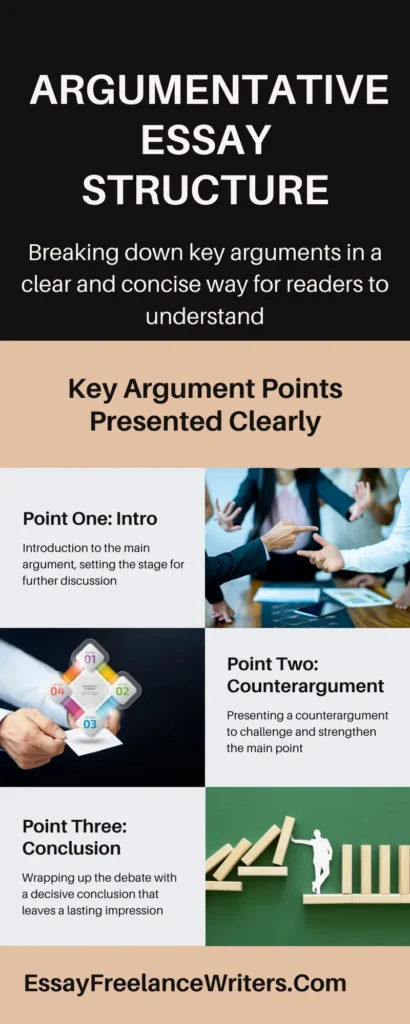


![The Dissertation Chapters Breakdown: Navigating the 5 Essential Sections [2026]](https://essayfreelancewriters.com/wp-content/uploads/Dissertation-Chapters-1080x675.webp)