

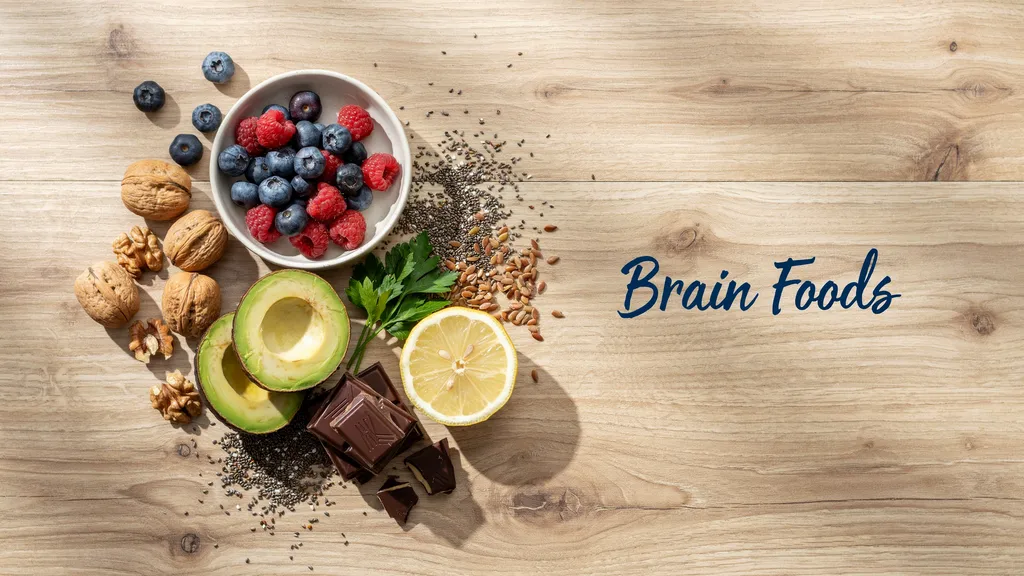
Brain food is any food rich in omega-3 fatty acids, antioxidants, B vitamins, or choline, nutrients that protect brain cells, reduce oxidative stress, and support memory and concentration. Leafy greens, fatty fish, berries, walnuts, and whole grains are among the best brain foods, since they overlap heavily with heart-healthy foods and improve blood flow to the brain. This guide breaks down the top brain foods with the strongest evidence behind them and explains exactly how each one supports brain function.
Key Takeaways
- Fatty fish, leafy greens, berries, walnuts, and whole grains are the most consistently research-backed brain foods.
- Omega-3 fatty acids and antioxidants protect brain cells from oxidative stress and support long-term memory.
- Choline-rich foods like eggs support the neurotransmitters tied directly to learning and memory.
- An overall dietary pattern, such as the Mediterranean or MIND diet, matters more than any single “miracle” food.
- Cutting back on added sugar, alcohol, and processed foods protects brain health as much as adding the right foods does.
What Makes a Food Good for Brain Health
Your brain uses about 20 percent of your body’s daily energy despite making up only 2 percent of your body weight, so the foods you eat have an outsized effect on how well it runs. Certain nutrients matter more than others for this. Omega-3 fatty acids form part of the structure of brain cells, since about 60 percent of the brain is made of fat. Antioxidants act as a powerful antioxidant defense system that helps fight free radicals and protect the brain against the kind of cell damage linked to brain aging and neurodegenerative disease. B vitamins and choline support the production of brain chemicals involved in memory and learning, and a steady supply of glucose from whole grains and complex carbohydrates keeps normal brain function running throughout the day. A diet built around these foods, rather than any single “miracle” ingredient, is what actually shows up in the research as protective.
Struggling to turn dense research like this into a polished paper of your own? Our expert writers turn complex topics into clear, well-cited essays every single day. Get matched with a subject-matter writer in minutes.
1. Fatty Fish
Fatty fish like salmon, sardines, and trout are one of the best sources of omega-3 fatty acids, particularly a type called DHA, which is a key building block of the brain and helps build and repair brain cells. Diets rich in these fatty acids have been linked to lower blood levels of beta-amyloid, the protein that forms damaging clumps in the brains of people with Alzheimer’s disease. Omega-3s also help protect the brain from neurodegeneration by reducing inflammation and oxidative stress in the brain. Eating fish twice a week is generally enough to get these brain benefits, and choosing low-mercury varieties such as salmon, cod, and canned light tuna is the safer approach.
2. Leafy Greens
Leafy greens such as kale, spinach, collards, and broccoli are rich in brain-healthy nutrients including vitamin K, lutein, folate, and beta carotene. Research suggests these plant-based foods may help slow cognitive decline, and vitamin K in particular plays a role in maintaining the structure of brain cells over time. Diets that include at least six servings of leafy greens a week, as recommended by the MIND diet, are consistently associated with better long-term brain health outcomes.
3. Walnuts and Other Nuts
Walnuts stand out among nuts for brain health. A UCLA study linked higher walnut consumption to improved cognitive test scores, and walnuts are high in ALA, a plant-based omega-3 fatty acid tied to lower blood pressure and cleaner arteries, both of which help improve blood flow to the brain. A 2025 University of Reading study found that people who ate walnuts as part of breakfast had faster reaction times and better memory performance later in the day than those who ate a bowl of muesli and yogurt instead. Almonds and pistachios offer similar, though less studied, benefits.
Writing a nutrition or health science paper of your own? Our writers hold advanced degrees and know exactly how to structure evidence-based arguments like this one. Stop stressing over deadlines and let a specialist handle the research and writing.
4. Berries
Berries such as blueberries, strawberries, and blackberries are loaded with flavonoids, a class of antioxidant compounds that help reduce inflammation and oxidative stress in the brain. This antioxidant effect is one reason berries are consistently named among the best foods for boosting memory and concentration, since protecting brain cells from oxidative damage helps preserve normal cognitive function as you age.
5. Dark Chocolate
Dark chocolate, especially varieties with 70 percent cocoa or higher, contains flavonoids, caffeine, and other antioxidants that may help improve memory and support brain function. The same free radical-fighting mechanism that makes berries useful applies here, though dark chocolate is best treated as a small daily addition rather than a primary brain-boosting food, given its calorie and sugar content.
6. Eggs and Other Choline-Rich Foods
Eggs, along with beans, cruciferous vegetables, and lean meats, are among the best sources of choline, a nutrient tied directly to brain chemicals involved in memory and attention. Choline is a building block of the brain in a literal sense, since it’s a precursor to acetylcholine, the neurotransmitter that regulates learning and memory. Data from the Framingham Offspring Cohort, which tracked more than 1,300 adults over 20 years, found that people with higher choline intake had better verbal and visual memory, and people who consumed more choline earlier in life also showed less damage to small blood vessels in the brain later on. Choline is especially important for brain development, which is why it’s frequently recommended during pregnancy and early childhood.
Notice how every claim in this article is backed by a real source? That is exactly the kind of rigor our academic writers bring to your assignments. Whether it is biology, psychology, or nutrition science, we have a specialist ready to help.
7. Whole Grains
Whole grains provide a steady, slow-releasing source of glucose, the brain’s primary fuel. Unlike sugary, highly processed foods that spike blood sugar and can lead to brain fog and sluggishness, whole grains help maintain stable energy for the brain throughout the day. They’re also a source of B vitamins and fiber, both of which support long-term brain health and cardiovascular function, which in turn supports blood flow to the brain.
8. Olive Oil
Olive oil is a cornerstone of the Mediterranean diet and one of the more overlooked brain-boosting foods. It helps the body absorb more vitamin D, vitamin E, and vitamin K from other foods, helps keep blood sugar steady after meals, and contains polyphenols that help fight free radicals. Vitamin E in particular is important for brain health, since your brain needs it to protect cells from oxidative damage, and low levels have been linked to cognitive impairment.
9. Coffee and Tea
Moderate coffee or tea intake has more brain benefits than many people assume. A February 2026 study found that long-term moderate coffee or tea consumption was associated with a decreased chance of developing dementia. Both drinks also contain their own antioxidant compounds, which add to their protective effect beyond just the caffeine.
Still bookmarking articles instead of writing your paper? Our team can turn your notes and sources into a finished draft while you focus on everything else on your plate. Papers on science, health, and nutrition topics are our specialty.
10. Citrus Fruits
Oranges, grapefruits, and other citrus fruits are high in vitamin C, a potent antioxidant that supports the production of neurotransmitters involved in focus and concentration. Including vitamin C-rich foods regularly is a simple way to boost your brainpower without much effort, since citrus fruits are inexpensive and widely available.
Foods and Habits That Hurt Brain Health
A healthy brain depends as much on what you avoid as what you add. Diets high in added sugar and processed foods can lead to brain fog, sluggishness, and, over time, a loss of important brain structures and functions. Heavy alcohol use changes brain chemistry directly and, with chronic use, can cause permanent brain damage. Excess saturated fat has repeatedly been shown to work against both heart and brain health. None of this means cutting out every treat, but a diet built mostly around whole, nutrient-dense foods rather than processed ones is what the research consistently supports.
Almost done reading, but nowhere near done with your own assignment? Our writers can research, draft, and polish a paper on any subject, from cognitive science to nutrition, in as little as a few hours. Let us handle the hard part so you can hand in something you are proud of.
The Bottom Line
There’s no single best brain food that works alone. The foods with the most consistent research behind them, leafy greens, fatty fish, berries, walnuts, whole grains, and olive oil, all share overlapping benefits: they reduce oxidative stress, supply the fatty acids and B vitamins the brain needs, and support the same cardiovascular health that keeps blood flowing efficiently to the brain. Building a diet around these foods, rather than chasing one ingredient, is the approach best backed by current research.
Frequently Asked Questions
What is the best diet for brain health?
The Mediterranean diet and the MIND diet are the two most studied eating patterns for brain health. A Harvard study of more than 159,000 people found that following any of six healthy diet patterns, especially the DASH diet, was linked to significantly better cognitive function later in life, with the strongest benefits in people who ate well from ages 45 to 54.
Is coffee good for the brain?
Yes, in moderation. Long-term moderate coffee or tea intake has been associated with a lower risk of developing dementia, according to a 2026 study, though excessive caffeine can disrupt sleep, which itself affects memory and cognitive function.
Do brain supplements actually work?
Registered dietitians generally advise against relying on supplements for brain health, since there isn’t strong evidence supporting their use, and whole foods remain the best source of these nutrients.
Can food really improve memory?
Diet alone won’t guarantee sharper memory, but a consistent pattern of eating brain-healthy foods, combined with exercise, sleep, and mental stimulation, is one of the most well-supported ways to help protect the brain and support memory and learning over time.

Through my engaging and informative blog posts, I aim to provide helpful tips on topics such as essay writing, research skills, and academic planning, empowering students to thrive in their academic pursuits.