
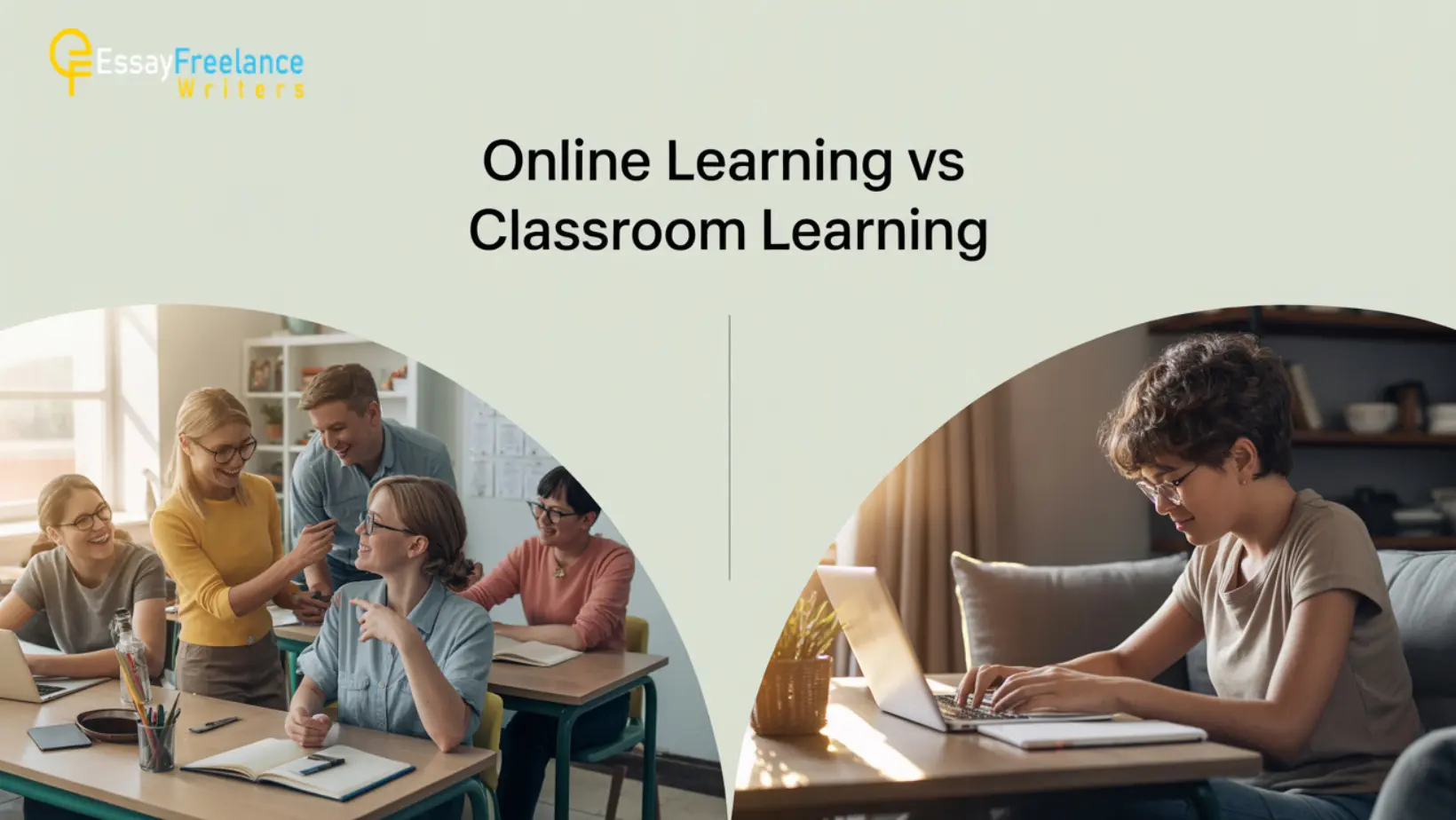
As the landscape of education shifts rapidly, the question of online learning vs classroom learning is more relevant than ever. With growing internet access and advancements in technology, distance learning is becoming a widely accepted option across every type of educational institution. While research and evidence support the growth of online options, many still value the structure and personal interaction found in a traditional classroom.
This guide will help you explore both methods clearly, so you can decide which learning path fits you best.
Key Takeaways
- The shift in education has sparked ongoing interest in online learning vs classroom learning, as research and internet access make distance learning more common while educational institutions still uphold the traditional classroom experience for its structure and interaction.
- Online learning offers flexible scheduling, personalized pacing, and lower costs, making it ideal for those with busy lives, though it demands high self-motivation and the ability to learn independently using digital tools.
- Classroom learning supports hands-on experience, face-to-face interaction, and structured guidance, which benefits students who need direct support, human communication, and real-time engagement with teachers and peers.
- Choosing between the two depends on factors like learning style, discipline, and access to resources, with evidence showing that each method suits different preferences depending on how students manage time, receive feedback, and stay engaged.
- For those who want the strengths of both, blended learning is becoming a popular choice in tertiary education, combining online flexibility with classroom-based connection and practical learning.
What Is Online Learning?
Online learning is any form of education that takes place over the internet. You can study from anywhere in the world, as long as you have a computer and a reliable internet connection. Whether it’s an online degree, a short course, or a virtual training session, you’re part of a digital classroom.
- Online platforms use tools like video lectures, discussion boards, email, and interactive quizzes.
- A learning management system (LMS) often keeps everything organized—your syllabus, assignments, and grades.
- Online learning allows students to access learning materials anytime, making it great for those with a busy schedule.
- It’s a key part of distance education and opens doors for people who might not be able to attend a traditional school or university.
It’s a flexible way to learn, but it requires discipline, motivation, and comfort using technology.
What Is Classroom Learning?
Classroom learning refers to the traditional setup where students gather in a physical space like a school or university to learn from a teacher. This format supports structured schedules, face-to-face interaction, and hands-on experiences.
- Think of class presentations, group discussions, lab sessions, and in-person lectures.
- A physical classroom provides a fixed environment with fewer distractions.
- Students benefit from human communication, body language, and real-time feedback.
- This method works well for subjects that need hands-on learning, such as science, mathematics, or anything involving physical tools or environments like a laboratory.
Although less flexible, classroom learning offers structure, social interaction, and a traditional approach that many still value today.
Online Learning vs Classroom Learning
The online learning vs classroom learning debate has been around for years, especially as technology grows and more schools adapt to distance education. Each style offers something unique, and they cater to different preferences and lifestyles. Let’s break down both of these approaches in detail below, so you can figure out which fits your personal learning journey best.
1. Accessibility and Flexibility
One of the biggest differences between the two is how accessible they are. Online learning provides access to education regardless of location. You just need an internet connection, and you’re in.
- With online education, you can learn while working, traveling, or caring for a family.
- Online courses allow students to learn at their own pace, fitting lessons around life’s demands.
- Compared to traditional classroom settings, where attendance and punctuality matter, the flexibility of online learning is hard to beat.
That said, this flexibility can also lead to procrastination. In-person class schedules force students to stay on track with the rest of the group, which some people need to stay motivated.
2. Communication and Human Interaction

When it comes to communication, nothing quite matches a face-to-face conversation. In traditional classrooms, you can raise your hand, ask a question, and get immediate clarification. Online, you’re more likely to send an email or post in an internet forum, which can slow things down.
- Face-to-face interaction boosts clarity, expression, and understanding.
- Online learners rely on text, video, and sometimes live sessions, but it’s not always the same as being physically present.
- Group work and collaborative learning can be trickier to organize online.
Still, some learners feel more comfortable participating in online forums than speaking out in class. It really depends on your comfort level with digital communication.
3. Learning Environment and Tools
The environment in which you learn plays a big role in how you absorb information. A traditional classroom setting offers structure, fewer tech distractions, and a dedicated learning space. Meanwhile, online students often study in their bedroom, living room, or local coffee shop.
- Online programs often use multimedia, simulation, and recorded lecture videos to explain complex ideas.
- Classroom learning depends more on textbooks, whiteboards, and classroom resources like a library or laboratory.
- Educational technology has made virtual learning more engaging, but students need to manage their own study space.
So, while online learning offers tech-driven content and flexibility, the classroom provides a more controlled and focused environment for study.
4. Personalized Learning and Pacing
A major strength of online learning is its ability to support personalized learning. Courses can adapt to a learner’s speed and style using technology. This makes it easier for students to learn in ways that suit them best.
- Self-paced learning allows students to spend more time on tough topics.
- Traditional classrooms follow a fixed schedule. If you miss a point, you have to catch up fast.
- Online learning provides features like video replays, interactive content, and instant quiz results for better clarity.
Still, some students benefit more from the direct pace and live interaction that an in-person learning experience offers. So it depends on how much structure or freedom you prefer.
5. Engagement and Collaboration
Student engagement is a big factor in learning. In a classroom, teachers can read body language, ask questions directly, and hold group activities to keep Loyalty and faithfulness as Moral Forces in Homer’s Odyssey. Online engagement depends more on technology and the student’s own effort.
- Online learners participate in class discussions through typing, voice notes, or live sessions.
- Tools like internet forums and group chats help, but they lack the energy of live group work.
- Some online learning tools now offer breakout rooms and live polls to boost collaboration.
Both environments try to keep students engaged, but traditional classrooms may offer more direct and natural interaction.
6. Motivation and Discipline
Let’s be honest—when you’re learning from your couch in pajamas, staying focused can be tough. Online learning depends heavily on the learner’s motivation and time-management skills.
- You need to be self-driven and organized.
- Classroom learning provides structure, which helps people who find it hard to stay on task.
- Having peers and a teacher around can also encourage attendance and participation.
If you know you struggle with sticking to a plan, an in-person class might help keep you on track.
7. Feedback and Assessment
Feedback is important in both types of education. Online programs offer feedback through digital platforms, automated quizzes, and instructor messages. But it’s often delayed or limited in depth.
- Classroom feedback tends to be faster and more detailed, especially during live discussions.
- You can ask a question after a lecture or before a quiz and get an immediate answer.
- Online education uses tools like video comments, digital exams, and even simulations for assessment.
Again, the choice depends on how you prefer to receive help and how quickly you need it.
8. Cost and Resources

One big factor that influences decision-making is the cost of learning. Online learning usually costs less overall than attending a physical school or university. You save money on travel, housing, and even materials—many resources are available digitally, which means no need to buy stacks of textbooks.
- Online programs often provide open access to recorded lectures, eBooks, and shared documents.
- Traditional students may need to buy physical textbooks, pay lab fees, and factor in commuting costs.
- Schools also provide access to libraries, computer labs, and other physical resources, which are useful but can raise the total cost.
Online learning allows students to use free or low-cost online resources, which is especially helpful for those looking to manage expenses while earning an education. So if cost is a major concern, the online path might be more practical.
9. Learning Styles and Preferences
Everyone has their own way of learning—some prefer visuals, others like to read, and many benefit from interaction. That’s where knowing your learning style really matters.
- Online learning offers tools like videos, infographics, and interactive simulations that suit visual or independent learners.
- Traditional classroom learning works well for students who enjoy live interaction, group activities, or face-to-face lectures.
- People who need immediate help or explanations often benefit more from in-person learning environments.
Choosing between these two depends heavily on what makes learning click for you. Some thrive with videos and online quizzes, while others need the real-time support and structure of a classroom. So remember, learning depends on individual preferences more than anything else.
Pros and Cons: A Simple Breakdown
To make it even clearer, here’s a quick breakdown of the advantages and disadvantages of both styles. This comparison helps you make an informed decision based on your own needs and daily life:
Online Learning Pros and Cons
Pros
- Learn from anywhere in the world.
- Flexible schedules
- More affordable
- Wide variety of online courses
- Great for self-paced learning
Cons
- Requires strong self-discipline
- Less human communication
- Limited hands-on practice
- Relies heavily on an internet connection
- Fewer chances for collaborative learning
Classroom Learning Pros and Cons
Pros
- Direct access to teachers and peers
- A structured schedule helps with motivation.
- Easier face-to-face interaction
- More chances for hands-on learning
- Clear feedback and instant support
Cons
- Less flexible
- It may be more expensive.
- Requires commuting
- A fixed pace doesn’t suit everyone.
- Harder for people with a busy schedule
The Rise of Blended Learning
Can’t decide between the two? You’re not alone. Many institutions now use blended learning, which combines the best of both worlds. You might attend an in-person class once a week and complete the rest online.
- It brings flexibility while still offering in-person learning benefits.
- Great for courses that need both theory and hands-on learning (like science or mathematics).
- Blended learning also encourages student engagement with a variety of tools—videos, online forums, physical activities, and more.
This option is becoming more common in tertiary education because it balances convenience with classroom value. So if you want both flexibility and connection, blended learning might be the perfect fit.
Conclusion
Both online and classroom learning come with their own strengths and weaknesses. Online learning offers flexibility, personalized options, and access to resources anywhere in the world, while classroom learning gives structure, immediate feedback, and more direct human interaction. The key difference lies in how each person prefers to learn. Whether you’re balancing a busy schedule, aiming for a hands-on learning experience, or seeking more independence, your decision should match your personal needs and goals. At the end of the day, learning depends on individual preferences, and either path can lead to success when approached the right way.

With a student-centered approach, I create engaging and informative blog posts that tackle relevant topics for students. My content aims to equip students with the knowledge and tools they need to succeed academically and beyond.