When writing a 3 page essay outline, starting on the right track is important.
A well-structured outline is the foundation of a successful essay, providing a roadmap for your thoughts and ideas.
In this step-by-step writing guide, we will discuss the essential elements of a 3 page essay outline, including how to organize your thoughts, conduct research, and properly format your paper.
From brainstorming ideas to crafting a thesis statement, writing an essay requires careful planning and execution.
The outline serves as a guide to help you navigate the research and writing process, ensuring that your paper is well-organized and cohesive.
Remember to leave enough space between paragraphs and use double-spaced formatting to make your essay visually appealing and easy to read.
Finally, remember to cite your sources properly, include a bibliography to evaluate your research, and conclude your paper with strong punctuation.
By following this guide, you will be well on your way to writing a successful 3 page essay or research paper.
Why Structure Matters
A well-structured essay is like a well-built house: it stands strong and makes sense. It organizes thoughts logically, making it easier for the reader to follow. A clear structure ensures all key points are covered, making the essay more persuasive and enjoyable.
Benefits of a Well-Structured Essay
Description
Logical flow
Ideas are presented in a coherent manner
Comprehensive coverage
All key points and arguments are addressed
Readability
Enhances the reader’s understanding and engagement
Persuasiveness
Strengthens the overall argument
3-Page Essay Outline
A 3-page essay typically includes an introduction, body paragraphs, and a conclusion. Each part has a specific role in making the essay effective.
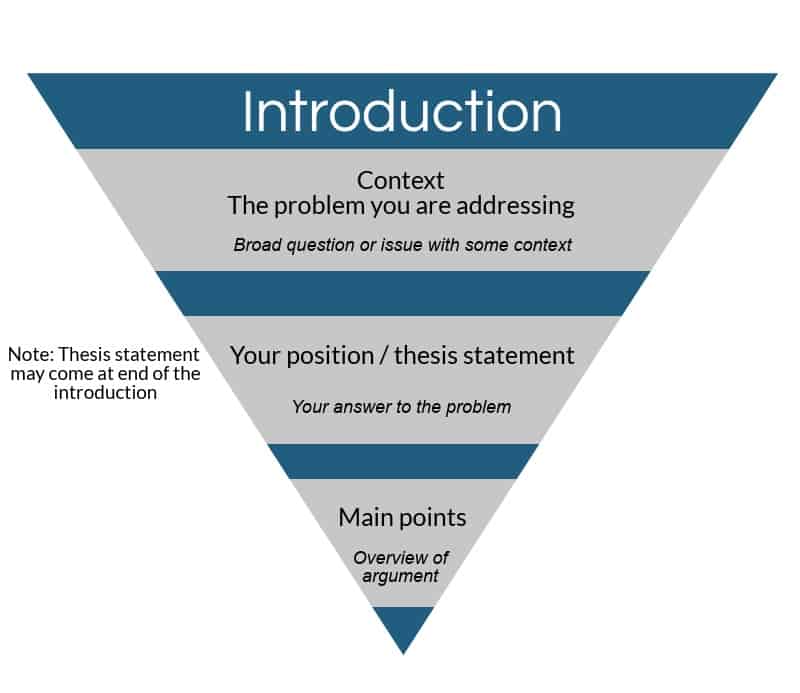
Introduction: Grab the reader’s attention and briefly overview the topic. Include a thesis statement that outlines the main argument or focus.
Body Paragraphs: Each paragraph should address a specific point or evidence supporting the thesis. Use clear topic sentences and transitions to maintain a logical flow.
Conclusion: Summarize the main points and reinforce the thesis. Offer some final thoughts or implications of the argument.
Section
Purpose
Key Elements
Introduction
Introduce the topic and thesis
Hook, background info, thesis statement
Body Paragraphs
Present evidence and analysis
Topic sentences, supporting details, transitions
Conclusion
Summarize and reinforce the thesis
Summary of main points, restated thesis, final thoughts
For more detailed guidance, check out our articles on how to write a 3-page essay and 3-page essay format. Also, reviewing 3-page essay examples can provide further insights into effective essay structure.
Pre-Writing Steps
Before you start writing, it’s important to complete some pre-writing steps. These steps will help ensure your essay is well-organized and thoroughly researched.
Picking a Topic
Choosing a topic is the first and most crucial step. The topic should be interesting, relevant, and narrow enough to cover three pages. Picking a topic that interests you can make the writing process more enjoyable.
Tips for selecting a topic:
Make sure it fits the assignment guidelines.
Choose a topic that is neither too broad nor too narrow.
Pick a subject with plenty of research material available.
Consider what might interest your audience.
Research and Gathering Info
Once you have a topic, the next step is to gather information and conduct research. This phase is critical as it provides the foundation for your essay.
Steps for effective research:
Identify Reliable Sources:
Academic journals
Books
Reputable websites
Take Detailed Notes:
Summarize key points
Record direct quotes with proper citations
Organize notes by subtopics
Create a Research Table:
Source
Key Points
Notes
Source 1
Main idea 1
Note 1
Source 2
Main idea 2
Note 2
Source 3
Main idea 3
Note 3
Organize Information:
Group similar ideas together
Identify any gaps in the research
Ensure all sources are credible
Crafting the Outline
Creating a structured outline is crucial for writing a cohesive 3-page essay. This section will guide you through the essential components of the outline, starting with the introduction and moving to the body paragraphs.
Introduction
The introduction sets the stage for your essay and should capture the reader’s attention. It typically includes three main elements:
Hook: A compelling opening statement to grab the reader’s interest.
Background Information: Brief context or background on the topic.
Thesis Statement: A clear and concise statement presenting the main argument or purpose of the essay.
Component
Description
Hook
Captivating opening sentence
Background Information
Context or background on the topic
Thesis Statement
Main argument or purpose
Body Paragraphs
The body of a 3-page essay is typically divided into three paragraphs, each focusing on a specific point supporting the thesis. Each paragraph should include:
Topic Sentence: Introduces the main idea of the paragraph.
Supporting Evidence: Facts, quotes, or data that back up the topic sentence.
Analysis: Explanation of how the evidence supports the main idea.
Transition: A sentence that smoothly connects to the next paragraph.
Paragraph
Topic Sentence
Supporting Evidence
Analysis
Transition
Paragraph 1
Main idea 1
Evidence 1
Explanation 1
Link to Paragraph 2
Paragraph 2
Main idea 2
Evidence 2
Explanation 2
Link to Paragraph 3
Paragraph 3
Main idea 3
Evidence 3
Explanation 3
Link to Conclusion
Conclusion
When writing a short piece, such as a three-page essay, it is important to take the time to craft a strong conclusion.
In this final section, you should summarize the main points of your paper and reinforce your thesis statement.
Offer some final thoughts or implications of your argument throughout the paper.
This is your last chance to leave a lasting impression on your reader, so make sure to make it count. Also, don’t forget to include a works cited page if you referenced any sources in your paper.
3 Page Essay Outline Template
Essay Title: [Insert Your Title Here] Introduction Hook: Start with an engaging opening sentence to capture the reader’s interest. Example: A thought-provoking question, a relevant quote, or a startling statistic. Background Information: Provide context or background information relevant to the topic. Example: Brief history, definitions, or explanation of key concepts. Thesis Statement: Clearly state your main argument or point of view. Example: “This essay will explore the impact of social media on mental health, arguing that excessive use can lead to significant psychological issues.”
Body Paragraph 1 Topic Sentence: Introduce the main idea of the paragraph. Example: “One of the primary ways social media affects mental health is through the creation of unrealistic expectations.” Supporting Evidence: Provide evidence to support the topic sentence. Example: Studies, statistics, quotes from experts. Analysis: Explain how the evidence supports the topic sentence and thesis. Example: Discuss the implications of the evidence and connect it to your overall argument. Transition Sentence: Lead into the next paragraph smoothly. Example: “In addition to unrealistic expectations, social media can also contribute to feelings of isolation and loneliness.”
Body Paragraph 2 Topic Sentence: Introduce the main idea of the paragraph. Example: “Social media platforms often lead to feelings of isolation and loneliness among users.” Supporting Evidence: Provide evidence to support the topic sentence. Example: Surveys, case studies, psychological theories. Analysis: Explain how the evidence supports the topic sentence and thesis. Example: Discuss the negative impact of reduced face-to-face interactions. Transition Sentence: Lead into the next paragraph smoothly. Example: “Moreover, the constant comparison with others on social media can lead to lower self-esteem.”
Body Paragraph 3 Topic Sentence: Introduce the main idea of the paragraph. Example: “Constant comparison on social media can result in lower self-esteem and self-worth.” Supporting Evidence: Provide evidence to support the topic sentence. Example: Personal anecdotes, empirical research, expert opinions. Analysis: Explain how the evidence supports the topic sentence and thesis. Example: Analyze how the curated nature of social media posts contributes to this phenomenon. Transition Sentence: Lead into the conclusion smoothly. Example: “While social media has its benefits, the negative impacts on mental health are significant and warrant attention.”
Conclusion Restate Thesis: Reiterate your main argument in a new way. Example: “In conclusion, while social media offers various benefits, its impact on mental health is overwhelmingly negative.” Summary of Main Points: Briefly summarize the key points made in the body paragraphs. Example: “Unrealistic expectations, feelings of isolation, and constant comparisons all contribute to this issue.” Closing Thought: End with a final thought or call to action. Example: “As we continue to integrate social media into our lives, it’s crucial to be aware of these impacts and take steps to mitigate them.”
Final Thoughts on 3 Page Essay Outline
Writing a three-page essay or paper can be daunting for many students. The key is to have a clear outline and organizational structure before you begin.
A typical three-page essay is usually assigned to check one’s ability to formulate clear and concise arguments within a limited word count, often around 750 words long.
This means you will need to write around 9 paragraphs, each containing approximately 250 words. If you are short on time, you can opt for an essay writing service to help you complete your paper quickly.
However, it is important to proofread your work before submission to ensure it meets the required standards.
FAQs
How do you write a 3 page essay?
Writing a three-page paper involves careful planning and organization. Start by selecting a topic or thesis statement you are passionate about and can sufficiently discuss within the page limits. Create an outline with three main sections corresponding to each essay page. Begin writing each section, ensuring your content is clear, concise, and well-supported with evidence. After completing the draft, review and revise your work to improve clarity, coherence, and flow.
What is the format of a 3 part essay?
A three-part essay typically consists of an introduction, body, and conclusion. The introduction introduces the topic and thesis statement, the body elaborates on the thesis with supporting points or arguments, and the conclusion summarizes the main points and provides a sense of closure. Each part should flow logically into the next, creating a cohesive and well-structured essay.
How to write a 3 paragraph essay outline?
Creating a three-paragraph essay outline starts with identifying your main topic or thesis statement. Divide your essay into three main sections, with each paragraph addressing a specific point or argument. In the introduction paragraph, provide background information and introduce your thesis. The following two paragraphs comprise the essay’s body, expanding on your thesis with supporting evidence or examples. Lastly, the conclusion paragraph summarizes your points and helps explain the thesis.
How to write an essay outline?
Writing an essay outline is a crucial step in the prewriting process. Start by brainstorming ideas and organizing them into main sections that will form the structure of your essay. Create a detailed outline with headings and subheadings to guide your writing process. Each section should include key points or arguments supported by evidence or examples. Creating an outline ensures that your essay is well-organized and coherent and effectively communicates your ideas.
With a deep understanding of the student experience, I craft blog content that resonates with young learners. My articles offer practical advice and actionable strategies to help students achieve a healthy and successful academic life.
Writing a dissertation can be daunting, but one of the most crucial elements of this academic journey is structuring your dissertation introduction effectively. The dissertation introduction sets the stage for the rest of your research and provides a roadmap for readers to understand the purpose and scope of your study.
Before you begin writing your dissertation, it is important to start with the basics, such as the title page, table of contents, and appendix. These elements help organize and format your dissertation clearly and coherently. Additionally, including figures and tables in your dissertation can enhance your research’s readability and visual appeal.
This article will discuss how to structure a dissertation introduction to effectively introduce your topic, provide context for your research, and outline the key themes and arguments you will explore throughout your study.
Following these guidelines ensures that your dissertation introduction effectively sets the stage for the rest of your research.
The introduction serves multiple purposes. Firstly, it justifies your dissertation by explaining why your research is important and how it contributes to the academic community. The dissertation may answer your research question, providing valuable insights and advancements in your field. Throughout your dissertation, you should ensure that your introduction sets the stage for the reader, offering a clear understanding of the topic’s relevance and significance. This section should leave the reader with a sense of anticipation for the rest of the dissertation, making them eager to delve into your findings and analysis.
Additionally, the introduction is crucial in structuring your dissertation by laying out key elements such as the list of figures, word count, and page numbers. Make sure to check that your introduction aligns with the overall structure, including appropriate heading and proper referencing in the bibliography. It is essential to guide the reader smoothly into the main body of your work, leading seamlessly into sections like the results section. A well-crafted introduction ensures the reader is well-prepared for the detailed discussions and analyses that follow, providing a coherent roadmap of your research journey.
Papers For Money
Struggling to meet your dissertation deadline? Ensure a top-quality finish by checking out our low-cost Papers For Money writing service for expert assistance from dedicated PhD-qualified writers.
It is recommended that you write the introduction chapter after you complete the literature review or narrow down your topic and identify your research question(s). This approach provides you with a comprehensive understanding of the existing literature and the gap your research aims to fill.
When considering the dissertation structure, it’s a good idea to draft the introduction early on, even when submitting your research proposal, as this helps guide the direction of your overall research. By doing so, you set a foundation that outlines the context and significance of your original research.
Keep in mind that while writing a bachelor’s or master’s thesis, the introduction is sometimes used interchangeably with the proposal’s initial sections, ensuring consistency in your research narrative.
Think of a dissertation as the longest piece of writing you will undertake, and the introduction plays a pivotal role in setting the stage for your piece of research. Your introduction should not only present the summary of the dissertation but also its relation to your research.
When structuring your dissertation, make sure to choose the introduction and conclusion placements wisely, ensuring they cohesively frame the entire document. Be prepared to revise and edit the introduction multiple times as your ideas evolve and take shape, ensuring they align with the actual dissertation content. This iterative process ensures that your introduction accurately reflects the scope and direction of your research, providing a clear roadmap for the reader.
A well-structured dissertation introduction typically includes the following elements:
Background Information: Provide context on the topic and explain why it is important and timely.
Research Question(s) and Hypothesis: Clearly state the research question(s) you aim to address and formulate a hypothesis if required.
Theoretical Framework: Discuss the existing literature and theories related to your topic, identifying gaps or controversies.
Significance and Value: Explain how your research contributes to the field and why it matters to the academic and/or scientific communities.
Aims and Objectives: Outline the specific goals and objectives of your research, linking them to your research question(s).
Methodology Overview: Provide a brief overview of your research methods, especially if your dissertation does not have a separate methodology chapter.
Outline of the Dissertation: Give a summary of what each chapter of your dissertation will cover, helping readers navigate your work.
Dissertation Coaching Services
Ready to achieve academic success? Don\'t miss out on our Professional Dissertation Coaching Services – the ultimate key to unlocking your full potential and acing your academic goals!
The background information section of your dissertation serves multiple purposes. It provides context and sets the stage for your research, helping readers understand the relevance and significance of your chosen topic. This section should include the following elements:
Contextual Information: Provide an overview of the topic’s history and evolution, including key events, developments, and theories related to your research question.
Empirical Foundations: Highlight the empirical underpinnings of your topic, demonstrating your knowledge and passion for the subject matter.
Theoretical Linkages: Explicitly connect your research to relevant theories, concepts, and approaches. Show how your work builds upon and contributes to existing academic studies.
Research Focus: Clearly articulate the focus of your research, explaining why it is important and how it relates to your theoretical concerns and research question.
Keep the background section concise and focused, typically within one to two pages. It should provide just enough information for readers to understand the context and significance of your research without overwhelming them with excessive details.
Research Question(s) and Hypothesis
The research question(s) and hypothesis are central elements of your dissertation. They guide your research and provide a clear direction for your study. Here’s how to structure this section effectively:
Research Question(s): Clearly articulate the research question(s) you aim to address. Ensure they are interesting, researchable, and contribute something novel.
Hypothesis: The hypothesis is a specific statement that predicts the outcome of your research. It is often used in quantitative studies and may not be necessary for qualitative research. If you include a hypothesis, ensure it is supported by your research question(s) and the existing literature.
Directionality: Explain the predictions or expected outcomes of your research to help readers understand the direction of your study.
The theoretical framework chapter is a crucial “blueprint” for your dissertation. It involves the following key components:
Definition and Explanation of Concepts: Clearly define the key concepts and theories relevant to your research.
Context and Background: Provide the historical context and developments related to your topic, including any gaps or controversies in the existing literature.
Published Literature: Discuss the importance and relevance of published literature to your research, citing relevant sources to support your arguments.
Alignment with Dissertation: Show how the chosen theories and concepts align with your dissertation topic, demonstrating their significance and applicability to your research.
Keep your theoretical framework concise and focused, saving the detailed explanations for the subsequent chapters.
Significance and Value
Articulating the significance and value of your research is essential for several reasons:
Guiding Your Research: Writing about the significance helps you refine your research questions and objectives, ensuring they are well-defined and focused.
Attracting Funding: A well-written significance section can convince potential funders of the value of your work, increasing the chances of securing support.
Opening Up Future Research: By stating the significance of your study, you indicate potential avenues for future research and demonstrate the value of your contribution to the field.
The aims and objectives section provides a foundation for your research, giving it clarity and direction. Here’s how to structure it effectively:
Aims: Clearly state the overall goal and purpose of your dissertation. Write it in a way that makes it identifiable when achieved, typically as a single sentence or short paragraph.
Objectives: Outline the specific, achievable, and realistic steps you will take to accomplish your aim. Ensure they are SMART (Specific, Measurable, Achievable, Realistic, and Time-bound).
Dissertation Writing Services
Transform your dissertation from daunting to dazzling with our expert Dissertation Writing Services - your key to academic brilliance awaits!
The methodology overview provides a snapshot of your research methods, helping readers understand your data collection and analysis approaches. Here’s what to include:
Research Overview: Reiterate your research topic and objectives. Research Design: Explain the structure of your project and what each part aims to accomplish.
Data Collection: Describe the methods of collecting data, such as surveys, interviews, or observations.
Data Analysis: Discuss how you interpreted and made sense of the collected data, including any statistical or qualitative analysis techniques employed.
Outline of the Dissertation
The dissertation outline provides a roadmap for your readers, helping them navigate your work effectively. Here’s how to structure it:
Introduction: Provide background information, context, and the main focus of your study.
Literature Review: Critically analyze existing literature related to your topic, identifying gaps and linking it to your research question.
Methodology: Describe your research methods and their alignment with your research questions.
Results: Present the outcomes of your research, including any statistical or qualitative findings. Discussion: Interpret your results, draw conclusions, and discuss the implications of your research.
Conclusion: Summarize your main findings, contributions, and potential future directions.
Law Dissertation Writing Service
Discover the ultimate solution for your law dissertation woes with our top-notch Law Dissertation Writing Service, ensuring impeccable quality and timely delivery for your academic success!
Here are some tips to enhance the effectiveness of your dissertation introduction:
Catchy Opening: Start with a compelling opening sentence or paragraph that captures the reader’s attention.
Context and Relevance: Provide sufficient background information to situate your research in a broader context and clarify why your topic matters.
Clear and Concise Language: Use straightforward language throughout the introduction, avoiding jargon or complex terminology.
Avoid Overlapping: Focus on providing an overview and avoid going into excessive detail. Leave the in-depth discussion for the subsequent chapters.
Cite Key Sources: Include relevant citations to demonstrate your understanding of the field and show how your research builds on existing literature.
Maintain a Neutral Tone: The introduction should be objective and impartial, presenting your research question and aims without bias.
Seek Feedback: Ask a friend or colleague to read your introduction and provide feedback. A fresh perspective can help identify areas for improvement.
Edit and Revise: Don’t be afraid to rewrite and edit your introduction multiple times. It’s a dynamic process; you’ll likely refine it as your ideas develop and your research takes shape.
Do you need help writing a strong introduction for your dissertation? Don’t worry—our team of expert writers is here to help! With years of experience in academic writing, we can provide you with a well-crafted introduction that will set the tone for your entire paper. Please place your order today by clicking the ORDER NOW button above to get our expert writing help.
In Conclusion
The introduction chapter is a chance to engage your readers and provide a roadmap for your dissertation. It should give them a clear understanding of your topic, its significance, and the direction your research will take.
Following the tips and guidelines outlined above, you can craft an introduction that sets the stage for the rest of your dissertation.
How to Structure a Dissertation Introduction FAQs
How long should a dissertation introduction be?
A well-structured dissertation introduction typically ranges from 5-10% of the total word count of your dissertation. This means that for a 10,000-word dissertation, the introduction should be around 500-1000 words.
What is the correct format of a dissertation?
The correct format of a BASICLIST[dissertation] usually includes an introduction, literature review, methodology, results and discussion, conclusion, and references. Each section should flow logically to ensure a coherent argument.
How do I start my dissertation?
Craft a compelling title reflecting your research’s essence to start your dissertation. Then, introduce the topic, provide background information, and clearly state your research aims and objectives at the beginning of your introduction.
How many pages is a dissertation introduction?
The length of a dissertation introduction in terms of pages can vary based on formatting requirements. However, it is recommended that the introduction be concise and informative, usually spanning 1-2 pages.
With a deep understanding of the student experience, I craft blog content that resonates with young learners. My articles offer practical advice and actionable strategies to help students achieve a healthy and successful academic life.
An outline helps you pen down all the ideas you can use in the essay. This ensures that you have all the points handy when you sit down to write the essay. Here is how you can easily write an outline: once you understand how to write an outline for an essay, you’ll find that it also helps to categorize your ideas into sections that correspond with the introduction, body, and conclusion. start by jotting down your main thesis and then breaking it down into key points that support it. this organized approach allows you to maintain a clear focus throughout your writing process.
Pick a topic according to your interest.
Conduct preliminary research on the topic as much as possible.
Understand the target audience.
Determine the type of essay.
Look at each piece of information that you have collected.
Group your ideas in different paragraphs.
Essay Outline Format
Another important step before starting to write your essay is to understand the outline or the structure of an outline. A clear outline will help you organize your thoughts and ensure that your argument flows logically. To create a compelling structure, consider incorporating literary analysis essay outline tips that guide you in presenting your ideas effectively. This will not only enhance the coherence of your essay but also make it easier for your readers to follow your analysis.
It is essential for effective writing as it gives your writing a smooth flow and enables the reader to easily understand your point of view.
Whatever the essay type, be it a narrative, persuasive, descriptive, or expository essay, it is best to follow the common structure of a five-paragraph essay structure.
This will include an introductory paragraph introducing the topic as a thesis statement and some argument or story.
Three-body paragraphs that will defend the thesis statement or argument with supporting material such as examples or statistics.
Lastly, the conclusion paragraph concludes the whole argument by stating its significance and giving your opinions or suggestions.
Let us discuss these parts of a generic outline in detail:
Introduction
Your introduction section will depend on the type of essay you are writing.
For instance, if you are writing an informative or persuasive essay, you will give your readers some context through the background information about the topic.
This will be an overview of the topic, which you will gradually narrow down to the thesis statement of your essay.
You will have to prove this thesis statement in the later paragraphs. Therefore, it should be based on some facts.
Thus your thesis statement will serve different purposes depending on your choice of essay type.
Body Paragraphs:
The body paragraph is the information-rich part of your writing.
These also provide content in different styles depending on the type of essay you are writing.
For instance, in an informative or persuasive essay, your body paragraphs will include information, facts, and logic to support your thesis statement or persuade your readers.
But in an argumentative essay, body paragraphs will defend your thesis or point of view.
In short, body paragraphs prove the validity of your opinion with the support of the researched outside information.
In creative writing, the body paragraphs will gradually move the story from its initial phase to the last moment going through different phases like falling action, rising action, climax, and anticlimax or denouement.
It does not relate these to the thesis, but the words and symbols make these narrative levels clear.
Conclusion:
The conclusion is very crucial to any writing as it wraps up the whole argument and puts an end that satisfies the whole discussion.
In a persuasive and expository essay, it is better to restate the thesis using different words and thus finalize its validity.
It proves you to be an apt writer as you explain the overall significance of your argument and validate the value of your side of the argument.
In creative writing, the information given in the body is explored.
In other words, you explain the significance of your written piece in your conclusion without directly stating it.
This can be done by explaining the effect of the ending on certain characters. Thus readers can infer the theme portrayed by the writer.
Quick Essay Outline Sample
Topic Introduction Hook Statement/ thesis statement Background Information and Context; Thesis Statement/ hook statement 3. Body Paragraph 1/2/3 Topic Sentence (Shift of idea from the previous paragraph ) Claim (the argument put forward) Evidence (Information added from outside sources to support your point of view, i.e., claim) Explanation ( explaining evidence to defend the claim ) Concluding Sentence ( wrapping up of Argument in Paragraph ) 4. Conclusion Rephrasing Thesis Statement Restating Main Arguments (1,2,3) Overall Concluding Statement (giving Significance)
You can use this template for argumentative and persuasive essays as a reference.
Importance of Essay Outline
The main purpose of the outline is to plan the structure of the essay. It helps to focus on the most important parts of the essay and develop them in a proper sequence.
An outline will also help you organize your main ideas and determine the order in which you will write about them. An outline is a very effective way to think through how you will organize and present the information in your essay.
Using an outline helps you organize your thoughts from beginning to end and ensures you don’t leave any important parts out of the middle. These outlines do not have anything written; they just help you structure your ideas and thoughts logically to build toward a meaningful and strong conclusion.
Examples of Essay Outlines / Types of Essay Outlines
Before you start writing an outline, you must know the different types of outlines you can use. It is important to choose the one that is most appropriate for your research paper. These are:
1. Informative Essay Outline
An informative essay, also known as an expository essay, is a type of writing in which the writer researches a topic and presents coherent ideas to the reader. The main objective of this type of essay is to inform readers by presenting them with new information.
An informative essay educates the reader about a topic. You’ll need to know a good deal about your subject and convey information clearly and organized.
Informative Essay Outline Format
This outline will guide students through their next informative essay. I. Introduction A. Hook B. Background information (define key terms) C. Thesis II. Body Paragraph 1 A. Topic sentence B. Evidence 1 (including citation) C. Evidence 2 (including citation) III. Body Paragraph 2 A. Topic sentence B. Evidence 1 (including citation) C. Evidence 2 (including citation) IV. Body Paragraph 3 A. Topic sentence B. Evidence 1 (including citation) C. Evidence 2 (including citation) IV.Conclusion (restate the thesis statement and summarize the main ideas of the essay)
Use this informative outline to organize your ideas.
A narrative essay tells a story. It can be an interesting story, a realistic story, or a scary story. The author writes it from his point of view, so the events are told through his eyes and actions. The purpose of a narrative essay is to tell the reader about events, interactions, and experiences that have happened to the author during a particular time frame. It always has a vivid plot.
A narrative essay uses all the story elements — a beginning, middle, and ending, as well as plot, characters, setting, and climax — bringing them together to complete the story. The focus of a narrative essay is the plot, which is told with enough detail to build to a climax.
Structure of a Personal Narrative Essay Outline
Topic Introduction Hook Statement (Intrigue the reader) Set Up The Scene/ Context by giving background information. Thesis Statement 2. Body Paragraphs Beginning Action → Rising Action → Falling Action (Paragraph 1→ 2 → 3) Use picaresque words Follow the Linear Progression of events by displaying the passage of time Use transition words to ensure a smooth flow of the events 3. Conclusion Analyze and Reflect on the action. Explain the significance of the story’s theme! Relate the theme to the real world.
For Narrative Writing, all you need to do is keep the plot in motion and be very careful and particular in the intro and conclusion so as not to lose the flow of the narrative!
Polishing Up!
Before you submit your essay, you must polish it and make it presentable. You can make your essay a perfect piece by following a few simple steps.
The Break Rule:
After you finish writing your essay, take a break to refresh yourself.
Take a break for at least 24 hours and give yourself time to refresh your brain.
Proofreading and editing should not be done immediately, as writing is mentally tiring.
So you must enjoy and refresh your brain to complete the last step of proofreading and editing the essay.
Proofreading and Editing:
When you take at least a 24-hour break, go for the grammar and spelling check and correct mistakes.
This includes punctuation, use of contractions as well as sentence structure. Then you can further improve your essay by improving the vocabulary and removing repetitive phrases.
The sentences you use should make logical sense and flow smoothly. The essay should be a coherent whole.
Use transition words to connect the different ideas and thoughts. Your essay should be simple, easy to read and understand. A 150 words essay allows you to focus on clarity and conciseness, ensuring that every word counts. To achieve effective communication within this limit, prioritize your main argument and support it with relevant examples. This approach will engage your readers and enhance the overall impact of your writing.
Peer Editing:
Ask your peers to reread and edit the piece for you.
This will confirm that your paper is a well-written piece.
The more people read your essay, the more confident you will be about the quality of your work, making it understandable.
This is the last step that completes your essay.
Use this narrative outline to organize your ideas.
A compare and contrast essay is a piece of writing that shows likeness and differences among characters, places, concepts, ideas, or other elements. It analyzes them critically to find out and highlight their similarities and dissimilarities.
Compare and contrast essays detail the differences and similarities between these two elements. A compare and contrast writing is based on an in-depth analysis of two or more objects and their practical findings.
To write a compare and contrast essay, you must gather evidence and present a well-reasoned argument on a debatable issue. You want to take two things and discuss both the similarities and the differences between them. For example, if you wanted to focus on contrasting two subjects, you would not pick apples and oranges; rather, you might choose to compare and contrast two oranges or apples to highlight subtle differences. For example, Red Delicious apples are sweet, while Granny Smiths are tart and acidic. Similarly, Braeburn apples are crisp and juicy, while Gala apples are very soft.
Compare and Contrast Essay Outline Format
duction Introduction to the broad topic Specific topic Thesis statement Body Paragraphs Body paragraph #1—First aspect that’s similar or different Subject #1 Detail #1 Detail #2 Subject #2 Detail #1 Detail #2 Body paragraph #2—Second aspect that’s similar or different Subject #1 Detail #1 Detail #2 Subject #2 Detail #1 Detail #2 Body paragraph #3—Third aspect that’s similar or different Subject #1 Detail #1 Detail #2 Subject #2 Detail #1 Detail #2 Conclusion Summary of main points—Restate the thesis statement while synthesizing information from body paragraphs. Evaluate the similarities/differences and discuss any future implications (if applicable) Significance—what’s the point you’re making?
Use this compare-and-contrast outline to organize your ideas.
An argumentative essay is a piece of writing where you present your point of view on a certain subject, supported by evidence and arguments.
To write an argumentative essay, you should use proper arguments and convincing language to persuade the readers that your point of view is more valid than other positions.
An argument is a reasoned opinion supported and explained by evidence. In an argumentative essay, you should focus on presenting and defending a claim rather than explaining the claim. An argumentative essay is usually written in the third person.
An argumentative essay presents both sides of an issue. However, it presents one side more positively or meticulously than the other so that readers can be swayed to the one the author intends. The purpose of this type of essay is to convince a reader rather than to inform.
Argumentative Essay Outline Format
Introductory Paragraph – Attention getter – Background information on the topic – Thesis statement (argumentative thesis) Body Paragraphs – Topic sentence explaining the main idea of the paragraph – Evidence to support your topic sentence and thesis statement (research) – Analysis of how the evidence connects to your claim and why it supports your argument (analysis and connection) Conclusion Paragraph – Restate your thesis statement (the argumentative claim) in different words. – Summarize your key points. – End with a clincher.
A persuasive essay is used to convince a reader about a particularly good idea or focus you believe in. Your persuasive essay could be based on anything you have an opinion about.
This type of paper differs from others because you need to use your opinion to make an argument. Your point of view matters and other people should be convinced it is true.
To write a persuasive essay, you must know your audience and which arguments they will respond to. Suppose you can try to find out what your audience believes so that you can consider their beliefs. Remember that not everyone will agree with your point of view and that some people may be against what you have to say. Writing a persuasive essay means convincing someone about something using reasons, facts, and other things supporting your opinion.
Persuasive Essay Outline Format (5-paragraph essay)
1) Introduction paragraph: Get the reader’s attention by using a “hook.” Pull your audience in! Quote, Fact, or something interesting to start an essay Give some background information about the topic. Would you please explain what the topic is and why it is controversial or important to you? Thesis or focus statement (MUST BE STATED in the LAST sentence of your introduction paragraph). This sentence states your opinion about the topic and will be proven in the rest of your essay with three strong reasons and support. Example: I am in favor of ____________ because ____________, ______________, and ___________. Example: I am against _____________because _____________, _____________, and ___________. 2) Body Paragraphs: (1st body paragraph) First argument or reason to support your position A topic sentence explaining your first reason. Example: My first reason for being against ___________ is __________________________. Provide support/evidence to prove your first reason with facts, data, examples, etc. (2nd body paragraph) Second argument or reason to support your position. A topic sentence explains your second reason. Example: Another reason I do not support _____________is _______________. Support your second reason with facts, data, examples, etc. (3rd body paragraph) Counter argument and third reason to support position. State what the other side believes or may argue Example: Some may argue _______________ Challenge their argument with your third reason and provide support. Example: but I disagree because _____________. Give support such as facts, data, examples, etc., explaining why your opinion is right and the other side is not right. Conclusion Paragraph: Sum up your main points and three reasons. Restate your thesis.
Example: I am strongly against ______________.
Final words: last comments or call to action. Encourage the reader to agree and take your side on the issue.
Use this persuasive outline to organize your ideas.
An expository essay is a writing where the writer presents opinions, points of view, ideas, concepts, and arguments on a particular topic. It is usually a formal piece of writing with an introduction, a discussion, and a conclusion.
Expository Essays are often written in response to a prompt that asks the writer to expose or explain a specific topic. Essay questions on tests are normally written to prompt an essay in this very style and may look like the following:
Describe the causes of the American Civil War.
Explain what your favorite means of travel is and why.
An expository essay provides an explanation or information about something through factual data. Facts can be further explained by using clear and concise ideas. Towards the end of the expository essay, the writer should be able to build an argument out of the facts provided gradually.
Expository Essay Structure Outline
Introduction 1. Begin with a hook. Tell a detailed story that pulls the reader in. The story should relate to the thesis statement of your essay in some way. 2. Tie-in – This is a sentence (or a few complete sentences) that links your hook to your essay’s thesis. 3. Thesis statement – This sentence is typically the last sentence of the introduction. It responds to the prompt and provides the main idea of the entire essay. The thesis statement should NOT include three supporting reasons. Sample thesis statement for the prompt “What is your favorite time of the year?”: “Without a doubt, Thanksgiving is my favorite time of the year.”
Body Paragraph 1 1. Begin with a topic sentence – The topic sentence provides the direction for the entire paragraph and should include one reason/example supporting your thesis statement. For example, with the prompt and thesis statement mentioned above, an appropriate topic sentence for body paragraph one might be “Undoubtedly, I eat better on Thanksgiving than any other time of the year.” 2. Extension sentence – This sentence further clarifies the idea presented in the topic sentence. It lets you start moving into the details you will develop in the paragraph. 3. Details – Provide detailed examples that support the idea you presented in your topic sentence. Personal anecdotes provide excellent details. 4. Closing sentence – This is the last sentence of the paragraph and should summarize the main idea or put a finishing thought to it.
Body Paragraph 2 1. Transition – This should summarize the main idea from the previous paragraph and lead to the new idea for this paragraph. Note that this also serves as the topic sentence for this paragraph with a new supporting reason. Possible transition structures include: Not only do I eat like a king on Thanksgiving, but I also get to spend precious moments with family members I rarely see. Besides eating like a king on Thanksgiving, I also spend precious moments with family members I rarely see. Eating well on Thanksgiving is only the beginning; I also spend precious moments with family members I rarely see. While eating well on Thanksgiving is a pleasure, the precious moments I get to spend with family members I rarely see are even more important. 2. The rest of Body Paragraph 2 follows the same structure as Body Paragraph 1
Body Paragraph 3 1. The most important supporting detail/reason should be reserved for this paragraph to end your essay with a bang. Ways to transition to this last idea include: Above all else, Thanksgiving is a time I get to show my gratitude for everything I have. Most significantly, Thanksgiving is a time I get to show my gratitude for everything I have. 2. The rest of Body Paragraph 2 follows the same structure as Body Paragraph 1 Conclusion 1. Restate/summarize your three supporting reasons/examples from each topic sentence. Example: I savor every bite of the food I eat on Thanksgiving. Also, I appreciate the opportunity to spend quality time with my family and show gratitude for everything I have. 2. Link back to your story in the hook and finish it up. 3. Restate your thesis statement using different words.
Use this expository outline to organize your ideas.
A reflective essay is a piece of academic writing aiming to examine, observe, and describe the progress of the writer’s individual experience. When writing your essay, remember to focus on a deeper look at yourself, on your inner emotions, rather than the event itself.
A reflective essay always aims to introduce the reader to interesting moments from the writer’s life and fix attention to feelings about a certain issue. The point is that it should convey meaning and be an instructive story.
The format of a reflective essay greatly differs from an argumentative or research paper. A reflective essay is more of a well-structured story or a diary entry rife with insight and reflection. You might be required to arrange your essay using the APA style or the MLA format. The use of the first person pronoun ‘I’ is welcomed. Do not abuse this guideline! Though it is welcomed, it is not necessary.
Reflective Essay Outline Format
Introduction Hook—give a quick preview of the most exciting part of that story Thesis Statement—without giving too much away, write how this experience influenced you.
Body Paragraph 1 Description of an influential person, place, or event
Body Paragraph 2 The effect of the person, place, or event had on you at the time
Body Paragraph 3 Lesson learned from reflecting on a person, place, or event
Conclusion Summary of the experience Overall impact/lesson learned
Use this reflective outline to organize your ideas.
A cause-and-effect essay explains why the event or the situation occurs (causes) and its results (effects). A curriculum usually includes this exercise to test your ability to understand the logic of certain events or actions. If you can see the logic behind cause and effect in the world around you, you will better understand how the world works.
A cause-and-effect essay helps readers understand why something happened or is happening or shows readers how a situation will unfold. In other words, it answers questions such as “Why?” (the reason for something) and “What happens next?” (the consequences). Cause-and-effect essays examine causes, describe effects, or do both.
When writing a cause-and-effect essay, you should be sure that you have researched the specific causes and are confident that you’re demonstrating why they lead to particular results. In other words, ensure your ideas are logically related and effectively arranged.
It is important to note that this type of essay needs to be fairly objective as its aim is not to persuade readers to think in a certain way but to provide information on objective facts. In other words, your point should be supported with facts and pieces of evidence, not with your thoughts on the subject.
Sample cause and effect essay format
1. Introduction Attention grabber Basic information about the topic Thesis statement (indicate what the essay will be about causes, effects, or both)
2. Body paragraph I Topic sentence (indicates causes, effects, or both) Cause 1/effect 1 (detailed explanation with examples)
3. Body paragraph II Topic sentence (indicates causes, effects, or both) Cause 2/effect 2 (detailed explanation with examples)
4. Body paragraph III Topic sentence (indicates causes, effects, or both) Cause 3/effect 3 (detailed explanation with examples)
5. Conclusion Restating the thesis statement Reminding the reader of the main points Concluding sentence
This essay template outline will help you structure your essay and create a good flow and link between the causes.
A research essay is a form of writing that requires the writer to investigate a topic and gather, generate, and evaluate evidence. The evidence can e researched and gathered from library books, journals, youtube, and web pages. The writer then writes about the topic by introducing their findings in an organized way, including thoughts and ideas based on the information they gathered during their investigation.
A research essay outline journey reports facts, data, and other information on a specific topic. It’s a research essay because you research your subject before writing it. Unlike an expository essay, which only requires you to examine and report the facts you find, a research essay requires you to form an opinion about a subject, then support that opinion with information from primary and secondary sources.
A research paper differs from a research proposal (also known as a prospectus), although the writing process is similar. Research papers are intended to demonstrate a student’s academic knowledge of a subject. A proposal is a persuasive piece meant to convince its audience of the value of a research project. Think of the proposal as the pitch and the paper as the finished product.
Research papers are similar to academic essays but are usually longer and more detailed assignments designed to assess your writing and scholarly research skills.
Research Essay Outline Format
1. Introduction: a. Hook statement b. Background/context c. Thesis statement
2. Body Paragraph: a. First Argument (topic sentence) i. Research/evidence to support the argument ii. Analysis of evidence b. Second Argument (topic sentence) i. Research/evidence to support the argument ii. Analysis of evidence c. Third Argument (topic sentence) i. Research/evidence to support the argument ii. Analysis of evidence
3. Conclusion: a. Restate thesis statement b. Summarize the main arguments and their evidence
A literary analysis essay is an argumentative analysis that carefully examines a piece of literature by looking at the story’s characters, theme, tone, setting, plot, and other literary devices used to narrate the story. It encourages readers to consider how and why a novel, poem, or play was written. It is meant to analyze a key element in the literature; thus, you should refrain from writing a paper explaining every point of the story’s plot. An argument can be raised by looking at certain characters or deciding to write about conflicts in the story.
Although a quick synopsis of the essay is needed within the argument of a literary analysis, the objective is not to write a report about a book or story. Instead, a literary analysis discusses a writer’s interpretation of a text through careful examination of the author’s choices within the text: word choice, main themes, motifs/symbols, character development, structure, imagery, etc. A literary analysis is not merely a summary or review; it discusses opinions and reasoning to prove an original thesis.
Literary Analysis Essay Outline Format
Introduction Introduce the Title of the Piece and the Author’s Name. Give sufficient background on the piece, but don’t give too much detail so that you spoil the surprise for the reader. Give your thesis statement (what your paper will explain or argue and the main points)
Body Paragraphs Topic Sentence: Begin with a topic sentence that supports your thesis statement. Points: list three key points that support your topic sentence. Evidence: include textual evidence (quotes from your reading) that supports each point. ~~~Explain why this is evidence and how it supports your point~~~. Closing Sentence: Reparate your paragraph by referring to your topic sentence. ~~~This is where you go beyond just repeating what your evidence says and makes a connection for the reader about how this evidence is important to the broader argument of your paper.~~~ Body Paragraphs 2, 3, etc. (repeat as needed)
Conclusion Restate your thesis statement. Do not copy it word for word, but put it in different wording. Now is where you show what you learned from writing this paper. List all of the main points from your body paragraphs and briefly describe/explain how each point.
Use this literary analysis essay outline to organize your ideas.
An outline is widely used in literature or writing. It helps the writer to organize their ideas and arguments. Outlining is an organized way of writing. It helps the writer become more efficient and easy to perform again.
While plenty of options exist for students who need to write an outline, it cannot be very clear when deciding which one you should use. Thankfully, many free outlines are available, and the templates above showcase some of the best we have found.
Need Some Help with Writing your Essay Outline?
Essay writing will still be a daunting task for you, even after reading this article.
You do not need to worry about that as EssayFreelanceWriters.Com is there to willingly and readily help you with the best custom essay writing service on the web and with your assignment!
We have a professional writing team of paper writers holding college degrees that assist our students in writing their assignments.
Whether it is a persuasive, expository, narrative, or creative writing essay, our experts very aptly know the structure and style of all custom essays and will successfully fulfill your requirements! What are you thinking? Live chat with our experts and get started today.
Frequently Asked Questions
When do I need to write an essay outline?
You will sometimes be asked to hand in an outline before you start writing your essay. Your supervisor wants to see that you have a clear idea of your structure so that writing will go smoothly. Even when you do not have to hand it in, writing an outline is essential to the writing process. Writing one (as informally as you like) clarifies your structure when you are working on an essay.
Should I use full sentences in my essay outline?
If you have to hand in your outline, you may be given specific guidelines stating whether you must use complete sentences. If you’re not sure, ask your supervisor. When writing an outline for yourself, the choice is yours. Some students find writing their ideas in full sentences helpful, while others prefer summarizing them in short, numbered sentences.
Do I have to stick to my essay outline as I write?
You should try to follow your outline as you write your essay. However, departing from your outline is okay if your ideas change or it becomes clear that your structure could improve. Just make sure you know why you’re doing so.
With a deep understanding of the student experience, I craft blog content that resonates with young learners. My articles offer practical advice and actionable strategies to help students achieve a healthy and successful academic life.
Writing a long essay can be daunting for many students, especially when faced with a complex question requiring in-depth analysis and evaluation. However, tackling a lengthy essay can be more manageable and enjoyable with the right strategies and tips. When writing a long essay, it is important first to understand the essay question thoroughly. Deconstruct the question, identify key terms, and determine what is being asked of you. This will help you structure your essay effectively and ensure that you are addressing the topic comprehensively. In this article, we will explore some valuable tips on how to write a long essay, from conducting thorough research and outlining your arguments to crafting a compelling introduction and conclusion. These tips can enhance your writing skills and produce a high-quality essay that evaluates the topic effectively.
Ah, the long essay—a formidable task for many students and writers alike. But fear not, my friends! In this comprehensive guide, we’ll walk you through the essential steps to writing an essay that is not only well-crafted but also engaging and impactful.
Let’s start with the basics. A long essay is typically 2,000 to 5,000 words, though the exact length can vary depending on the assignment or the institution’s requirements. These lengthier essays allow you to delve deeper into a topic, explore complex ideas, and showcase your critical thinking and writing skills.
But why is it so important to master the art of the long essay? For starters, many academic and professional settings demand the ability to communicate complex information clearly and concisely. Whether you’re a student tackling a research paper or a professional drafting a detailed report, the ability to write a good essay can make all the difference in conveying your message effectively.
If you need guidance on crafting a compelling Social Media essay, be sure to check out our article on Social Media Essay Writing.
I. The Pre-Writing Process
Now that we’ve established the importance of the long essay let’s dive into the first step: the pre-writing process.
Choosing a Topic—The foundation of a strong essay starts with selecting a topic that piques your interest. Take some time to brainstorm and explore potential subjects that align with your academic or professional goals. Remember, the more passionate you are about the topic, the easier it will be to write an engaging and well-researched essay.
Once you’ve identified a broad topic, it’s time to narrow it down. Craft a thesis statement that clearly defines the focus of your essay and serves as a guiding light throughout the writing process.
Conducting Research- It’s time to dive into the research phase. This is where you’ll uncover the facts, data, and expert insights that will lend credibility and depth to your essay. To gather a well-rounded understanding of your topic, utilize various sources, including academic journals, books, reputable websites, and primary sources.
As you conduct your research, take detailed notes and organize your information to align with your essay’s structure. This will make the actual writing process much smoother.
Our article on Coming Up With Essay Topic Ideas offers tips and strategies for finding the perfect essay topic.
II. Planning and Outlining
With your research in hand, it’s time to move on to the planning and outlining stage. This is where you’ll transform your ideas and information into a cohesive and logical structure.
Developing a Thesis Statement- Your thesis statement is the beating heart of your essay. It should be a clear, concise, and specific statement that outlines the central argument or focus of your writing. Crafting a strong thesis statement will help you stay on track and guide your readers through the main points of your essay.
Creating an Outline-Next, it’s time to outline and write your essay. Start by organizing your ideas logically, with an introduction, body paragraphs, and conclusion. Identify the key points you want to address within each section and the evidence you’ll use to support your argument.
III. Writing the Essay
Writing the Essay
It’s time to put pen to paper (or fingers to keyboard) and start writing your long essay. Here’s a step-by-step guide to help you through this process:
The Introduction- Your introduction is your chance to grab the reader’s attention and set the stage for the rest of your essay. Start with a hook – a sentence or two that piques the reader’s interest and introduces the topic. Then, provide some background information and transition into your thesis statement, which will serve as the central focus of your essay.
Body Paragraphs—The body of your essay is where you’ll explore your topic in-depth and present your arguments and evidence. Each body paragraph should focus on one main idea and be supported by relevant evidence, such as quotations, statistics, or examples.
Remember to use transitions between paragraphs to ensure a smooth flow and logical progression of your essay.
The Conclusion -Your conclusion is your chance to summarize your essay with a bang. Summarize the key points you’ve made throughout the essay and restate your thesis in a new and impactful way. You can also use the conclusion to offer a call to action or leave the reader with a thought-provoking statement.
IV. Revise, Proofread and Edit
Congratulations! You’ve written your long essay. But the work isn’t done yet. It’s time to dive into the editing and revising process.
Checking for Coherence and Flow -Start by reading through your essay with a critical eye. Does the essay flow logically from one idea to the next? Are there any sentences or paragraphs that feel out of place or disjointed? Make any necessary adjustments to ensure a cohesive and smooth-flowing piece of writing.
Reviewing Grammar and Punctuation- Next, it’s time to focus on the mechanics of your essay. Carefully review your writing for any grammatical, spelling, or punctuation issues. Remember, even the most well-crafted essay can be undermined by sloppy writing.
Seeking Feedback- Once you’ve addressed any glaring issues, it’s time to seek feedback from others. Ask your peers, professors, or even a professional writing tutor to review your essay and provide their honest feedback. This outside perspective can be invaluable in helping you identify areas for improvement.
Making Revisions- Make any necessary revisions to your essay based on the feedback you receive. This may involve restructuring sections, clarifying arguments, or strengthening the evidence you’ve used to support your argument. Remember, editing and revising are essential for producing a high-quality essay.
V. The Final Draft
Alright, you’ve written, edited, and revised your long essay. Now, it’s time to put the finishing touches on your writing.
Proofreading- One last time, thoroughly proofread your essay. Check for any remaining typos, grammatical errors, or inconsistencies. This final step will help ensure that your essay is polished and professional.
Formatting and Citations—Depending on the citation style your essay requires, format your paper and cite your sources correctly. This attention to detail will demonstrate your commitment to academic integrity and strengthen the credibility of your essay.
Submitting Your Essay- Finally, it’s time to submit your essay. Double-check that you’ve followed all the instructions and requirements, then hit send (or hand in your essay) confidently. You’ve put in the hard work, and it’s time to let your essay shine.
Conclusion
Whew, that was a lot of information! But fear not, my fellow writers. You’ve got this. By following these steps and tips to help you write a long essay, you’ll be well on crafting an impactful piece that reflects your writing skills.
Remember, writing a long essay can be arduous, but with the right mindset and a solid plan, you can easily write many high-quality essays. So, take a deep breath, start writing, and let your essay shine!
Get Help With Your Essay Paper
Are you struggling to write a strong Essay paper? Look no further than Essay Freelance Writers, the industry’s premier essay writing service. Our expert writers are skilled at guiding you through the entire writing process, from helping you to write an essay to polishing your final draft. Whether you need to write an essay fast or make an essay longer, our team has the expertise to ensure your paper is well-structured, thoroughly researched, and communicates your ideas effectively. We also specialize in teaching you how to essay questions carefully and answer in a way that showcases your subject matter knowledge. Place your order today by clicking the ORDER NOW button above and let us take the stress out of your Science and Technology paper.
FAQs on How To Write A Long Essay
How do you start a long essay?
When starting a long essay, it is essential to understand the topic and its purpose thoroughly. Conduct proper research on the subject matter to gather enough information and evidence to support your arguments. An outline can help you organize your thoughts and structure the essay effectively.
How do you write a large essay?
Writing a large essay involves a systematic approach that includes academic writing principles. Start by crafting a strong thesis statement that encapsulates the main idea of your essay. Follow it up with well-structured paragraphs that present cohesive arguments supported by relevant evidence. Ensure a logical flow between sections to maintain the reader’s interest throughout the essay.
What is the structure of a long essay?
The structure of a long essay typically consists of an introduction, body paragraphs containing arguments and evidence, and a conclusion. The introduction should provide background information and a thesis statement. Each body paragraph should focus on a single argumentative point supported by evidence and analysis. The conclusion summarizes the key points and restates the thesis.
How can I make my essay longer?
If you need to stretch out your essay, consider using additional evidence to support your arguments or delve deeper into your analysis. You can also expand on your ideas by exploring different perspectives or providing more examples. Be cautious not to include redundant information or fluff to meet the word count requirement. A well-developed essay with substantial content is more valuable than a lengthy but shallow piece.
With a deep understanding of the student experience, I craft blog content that resonates with young learners. My articles offer practical advice and actionable strategies to help students achieve a healthy and successful academic life.
Hey, ready to dive into the world of social media and its impact on our lives?
From scrolling through Instagram to sharing TikToks, it’s no secret that social media has become a major part of connecting and expressing ourselves.
But have you ever wondered about the role of social media beyond just posting selfies and funny memes? Whether it’s the influence of social media on our emotions or how it shapes our perspectives, exploring the effects of our social network usage is key to understanding its significance in our lives.
So, buckle up as we unpack some fascinating and thought-provoking social media research paper topics that delve into the complex world of social media platforms and their impact on us.
Easy Communication: One big perk of social media is how it helps us stay in touch with friends and family, even if they’re miles away. Have you ever used a social networking site to chat with your cousins living in a different state or country?
Information Sharing: Another cool thing about social media is how it lets us share information quickly. Remember when you found a super interesting article and shared it on your feed? That’s one way social media can help spread important news and ideas.
Creativity Boost: Have you ever seen those incredible art tutorials or cooking videos on social media? They can inspire you to get creative and try new things. Some people even use social media to showcase their talents and skills. Pretty neat?
Disadvantages:
Negative Effects on Self-Esteem: Sometimes, spending too much time on social media can make us compare ourselves to others, leading to feelings of inadequacy. Have you ever felt this way while scrolling through popular social media accounts?
Time Consumption: Have you ever noticed how easy it is to lose track of time when you’re engrossed in social media? It can consume a lot of our time, leaving us with less time for other important things like studying or spending quality time with friends and family.
Potential for Cyberbullying: Unfortunately, social media can sometimes be a platform for cyberbullying, where people use the anonymity of the internet to say hurtful things to others. Have you or someone you know ever experienced or witnessed cyberbullying on social media?
Social Media Essay Types
Persuasive Essays: Have you ever had to convince your parents to let you stay on social media for a little longer? Well, persuasive essays are like that. They’re all about persuading your reader to see things from your perspective. You might write a persuasive essay on how social media can be used to create positive change or why it’s important to use it responsibly.
Argumentative Essays: These are like friendly debates in writing. You’ll pick a side of an issue related to social media, gather evidence to support your argument and try to convince your reader that your side is the right one. For example, you could write an argumentative essay on whether social media has a more positive or negative impact on mental health.
Expository Essays: These essays are all about explaining or informing. You’ll dive deep into a specific aspect of social media, like the history of a particular platform or the effects of social media use on a specific age group. Have you ever written an informative essay explaining how to use a new social media feature? That’s like an expository essay.
Cause and Effect Essays: These essays are all about exploring the reasons (the causes) behind something and the results (the effects) it has. For example, you could write a cause-and-effect essay on how excessive social media use can lead to feelings of isolation and loneliness. Have you ever thought about what causes certain effects of social media use?
How to Write a Social Media Essay
You should choose your topic: First, consider the social media aspect you want to explore. Is it the impact of social media on mental health or the influence of social media on societal norms? Have you ever wondered why certain topics related to social media are more important to explore than others?
Do Your Research: Once you’ve picked your topic, it’s time to gather some information. Look for reliable sources like research studies, articles, and expert opinions. This will help you build a strong foundation for your essay. Have you ever used popular social media platforms to find information for your school projects?
Create an Outline: Before diving into writing, creating a roadmap for your essay is a good idea. Jot down your main points and organize them in a logical order. This will make it easier to stay focused and ensure your essay flows smoothly. How do you usually organize your thoughts before starting to write?
Craft a Compelling Introduction: Your introduction is like a first impression—it should grab your reader’s attention and introduce them to your essay. Consider starting with a catchy fact or a thought-provoking question. Have you ever read an engaging introduction that made you want to keep reading?
Develop Your Arguments: In the body paragraphs, please go ahead and expand on your main points and provide evidence to support your ideas. Use examples, statistics, and real-life experiences to make your arguments more convincing. Have you ever encountered a compelling argument that changed your perspective on something?
Address Counterarguments: Acknowledging opposing viewpoints shows that you’ve considered different perspectives. Could you take the time to address any potential counterarguments and explain why your viewpoint still stands strong? How do you usually respond when someone disagrees with your viewpoint on social media topics?
Conclude with Impact: Lastly, could you wrap up your essay with a powerful conclusion that reinforces your main ideas and leaves a lasting impression? You could end with a call to action or a thought-provoking question to encourage further thinking. Have you ever written a conclusion that made your reader reflect on your writing?
Pros and Cons of Social Media Essay
Pros:
Connectivity: One of the great things about social media is how it helps us stay connected with friends and family, no matter where they are. Have you ever used social media to chat with a friend who moved to another state or country?
Information Sharing: Social media allows us to share information quickly and easily. You can spread awareness about important issues or share helpful resources with just a few clicks. Have you ever shared a helpful article or an informative video on your social media account?
Creativity and Expression: Many people use social media as a platform to express their creativity. From sharing artwork to showcasing their talents, it’s a fantastic space to unleash your creative side and connect with others with similar interests. Have you ever seen a cool DIY project or an inspiring artwork on social media?
Cons:
Negative Effects on Mental Health: Spending too much time on social media can sometimes make us feel anxious or inadequate, especially when we compare ourselves to others. Have you ever felt down after spending too much time scrolling through your social media feeds?
Distraction and Time Wastage: Social media can be incredibly addictive, leading to a lot of wasted time that could have been used for more productive activities like studying or spending quality time with friends and family. Have you ever found yourself spending more time on social media than you intended?
Cyberbullying and Online Harassment: Unfortunately, some people use social media as a platform to bully or harass others. This can seriously affect a person’s mental and emotional well-being. Have you or someone you know ever experienced or witnessed cyberbullying on social media?
🏆 Best Social Media Topic Research Paper Ideas
The Role of Social Media in Political Movements
How Social Media Influences Body Image Perception
The Impact of Social Media on Interpersonal Relationships
Cyberbullying: Addressing the Dark Side of Social Media
The Power of Hashtags: How Social Media Drives Activism
Managing Privacy Settings on Social Media Sites
The Influence of Social Media on Teenage Mental Health
How Social Media Shapes Cultural Trends and Norms
Exploring the Use of Social Media for Business Marketing
The Dangers of Excessive Social Media Use on Academic Performance
Addressing Online Misinformation and Fake News via Social Media
The Effects of Social Media on Parent-Child Relationships
Comparing Different Social Media Platforms for Educational Purposes
The Impact of Social Media on Global Connectivity and Awareness
Analyzing the Psychology of Addiction to Social Media Networks
🏆 Best Social Media Research Paper Titles
Exploring the Dark Side: Negative Effects of Social Media
The Evolution of the Internet and Social Media in Modern Society
The Power of Hashtags: How Social Media Contributes to Movements
The Impact of Social Media as a Means of Communication
Want to Write an Outstanding Social Media Essay? Here’s How!
Understanding the Need to Write an Impactful Essay on Social Media
The Influential Role of Social Media in Shaping Public Opinion
Usage of Social Media: Effects on Mental Health and Well-being
Unveiling the Truth: How Social Media Shapes Our Perceptions
Navigating the Complexities of Social Media Ethics and Responsibility
The Intriguing World of Online Personas and Social Media Identities
Unveiling the Mask: The Reality Behind the Screen of Social Media
Debunking Myths: Social Media’s Impact on Personal Relationships
Decoding the Psychology Behind Addictive Social Media Behavior
The Ripple Effect: How Social Media Transforms Information Dissemination.
🥇 Most Interesting Social Media Topics to Write About
How Social Media is Shaping Cultural Norms and Values
Writing an Essay on Social Media’s Influence on Mental Health
Exploring the Role of Social Media in Modern Activism
The Future of Social Media: Trends and Predictions
Social Media and Technology: The Symbiotic Relationship
Examining the Impact of Social Media on Political Discourse
Understanding the Psychological Implications of Social Media Use
Why Social Media Platforms Like Instagram Are Changing Marketing
The Ethics of Social Media: Balancing Freedom and Responsibility
Social Media Platforms Allow for Global Connectivity: A Case Study
The Impact of Social Media on Information Dissemination and News Consumption
Social Media’s Role in Redefining Friendship and Social Bonds
How Different Types of Essays Can Help Uncover the Complexities of Social Media
Analyzing the Influence of Social Media on Consumer Behavior and Trends
The Power of User-Generated Content: A Case for Great Social Media Essays.
👍 Good Social Media Research Paper Topics to Write About
The Impact of Social Media on Mental Health and Well-being
Understanding the Influence of Social Media on Teenage Behavior
Social Media’s Role in Redefining Modern Communication
How Social Media Contributes to the Spread of Misinformation
Analyzing the Effects of Social Media on Interpersonal Relationships
The Ethical Implications of Social Media Use in the Workplace
Exploring the Link Between Social Media and Self-Esteem
The Influence of Social Media on Cultural Perception and Norms
The Future of Social Media: Trends and Innovations
Navigating the Balance Between Privacy and Publicity on Social Media
The Impact of Social Media on Educational Practices and Learning
The Psychology of FOMO (Fear of Missing Out) and Social Media
The Role of Social Media in Building Brand Awareness and Marketing
Understanding the Societal Implications of Social Media Activism.
Top Social Media Research Paper Topic Ideas
The Impact of Social Media on Global Connectivity
Analyzing the Psychology Behind Social Media Addiction
How Social Media Shapes Cultural Perceptions and Values
Social Media’s Role in Redefining Personal Relationships
Exploring the Ethical Implications of Social Media Use
The Effects of Social Media on Mental Health and Well-being
Understanding the Influence of Social Media on Political Discourse
Social Media as a Catalyst for Social Change and Activism
Unveiling the Effects of Cyberbullying via Social Media
The Intersection of Social Media and Consumer Behavior
The Role of Social Media in Redefining Modern Marketing
Social Media’s Impact on Information Dissemination and News Consumption
Exploring the Link Between Social Media and Self-Identity
The Role of Social Media in Reshaping Educational Practices.
Social media research paper topics
The Role of Social Media in Influencing Consumer Behavior
Exploring the Link Between Social Media and Mental Health
The Impact of Social Media on Political Participation and Activism
Analyzing the Effects of Social Media on Body Image Perception
Understanding the Ethical Implications of Social Media Research
Social Media’s Role in Facilitating Global Connectivity and Communication
The Effects of Social Media on Interpersonal Relationships and Communication
Investigating the Use of Social Media in Educational Settings and Learning
Social Media’s Influence on Cultural Perceptions and Social Norms
Exploring the Dynamics of Social Media Marketing and Brand Awareness
The Role of Social Media in Disseminating Information and News
Understanding the Psychological Implications of Social Media Addiction
Social Media’s Impact on Business Practices and Market Dynamics
Exploring the Relationship Between Social Media and Political Propaganda
The Intersection of Social Media and Privacy Concerns in the Digital Age.
Persuasive essay topics on social media
The Necessity of Implementing Stricter Regulations on Social Media Platforms
Promoting Digital Literacy to Mitigate the Spread of Misinformation on Social Media
The Importance of Encouraging Positive Body Image Messaging on Social Media
Addressing Cyberbullying Through Effective Policies and Regulations on Social Media
Promoting Responsible Use of Social Media for Adolescent Mental Health
Encouraging Social Media Platforms to Increase Privacy Protection Measures
The Need for More Transparent Algorithms on Social Media Platforms
Advocating for Ethical Marketing Practices on Social Media
Promoting Critical Thinking Skills to Combat the Spread of Fake News on Social Media
The Importance of Educating Parents on Monitoring Children’s Social Media Usage
Encouraging Social Media Platforms to Combat Hate Speech and Online Harassment
The Necessity of Integrating Digital Wellness Programs in Educational Curricula
Advocating for Greater Digital Citizenship Education for Safer Social Media Use
The Importance of Implementing Age Restrictions and Safety Measures for Social Media
Promoting Offline Engagement and Community Building to Balance Social Media Usage.
Argumentative Essay Topics on Social Media
Social Media: A Catalyst for Social Change or Discord?
The Impact of Social Media on Political Discourse and Democracy
Balancing Privacy Rights and the Need for Data Sharing on Social Media
The Role of Social Media in Redefining Modern Activism
Social Media Algorithms: A Tool for Personalization or Manipulation?
The Ethical Implications of Targeted Advertising on Social Media Platforms
Social Media: Bridging Communication Gaps or Fostering Misunderstandings?
The Role of Social Media in Redefining Social Norms and Cultural Values
Exploring the Psychology Behind Social Media Addiction and Behavior
Social Media Platforms: Facilitators of Community Building or Social Isolation?
The Need for Regulation: Addressing the Spread of Misinformation on Social Media
The Influence of Social Media on Youth Culture and Identity Formation
Social Media and Mental Health: Does Increased Connectivity Lead to Better Well-being?
The Role of Social Media in Shaping Educational Practices and Learning Experiences
Social Media and Democracy: The Tug of War Between Information and Manipulation.
List of Social Media Essay Topics Ideas
The Role of Social Media in Redefining Modern Communication
Understanding the Influence of Social Media on Cultural Perceptions
Social Media Platforms: A Tool for Business Marketing and Promotion
Social Media’s Role in Shaping Political Discourse and Public Opinion
The Ethical Implications of Data Privacy on Social Media Platforms
Investigating the Role of Social Media in Fostering Social Change and Activism
Exploring the Effects of Social Media on Adolescent Behavior and Development
Social Media and Education: Enhancing Learning or Distraction?
The Impact of Social Media on Consumer Behavior and Trends
Understanding the Psychology of Social Media Addiction and Engagement
The Role of Social Media in Redefining Personal Identity and Expression
Navigating the Complexities of Social Media Ethics and Responsibility.
Social Media Argumentative Essay Topics
The Impact of Social Media on Mental Health: Addressing the Concerns
Social Media and Political Manipulation: The Need for Transparency
Balancing Freedom of Expression and Hate Speech on Social Media
Social Media and Teenage Behavior: Fostering Positive Habits
The Role of Social Media in Redefining Cultural Values and Norms
Data Privacy on Social Media: Ensuring User Protection and Rights
The Ethical Implications of Targeted Advertising on Social Media
Social Media’s Influence on Personal Relationships: Building or Breaking Bonds
Regulation on Social Media: Necessity or Infringement on Freedom?
The Role of Social Media in Redefining Modern Activism and Protests
Social Media and Education: Maximizing Learning Opportunities or Distractions?
The Influence of Social Media on Youth Identity Formation and Self-Image
Exploring the Psychology of Social Media Addiction and its Impact
Social Media and Democracy: Information Dissemination or Manipulation?
The Role of Social Media in Addressing Global Issues and Awareness.
Argumentative essay topics about social media
The Influence of Social Media on Political Discourse and Public Opinion
Balancing Privacy Rights and Data Sharing on Social Media Platforms
Social Media and Mental Health: Unraveling the Complex Relationship
Social Media Algorithms: Promoting Personalization or Echo Chambers?
Addressing Cyberbullying: Policies and Protections for Social Media Users
Exploring the Psychology of Social Media Addiction and Behavioral Patterns
Social Media Marketing: Strategies for Success or Manipulative Techniques?
Analyzing the Effects of Social Media on Youth Identity Formation and Self-Image
Social Media and Democracy: Ensuring Information Transparency and Integrity
Navigating the Ethics of Influencer Culture and Sponsored Content on Social Media
The Impact of Social Media on Business Practices and Consumer Behavior
The Need for Ethical Regulations: Safeguarding User Rights on Social Media Platforms.
❓ Social Media Topics & Questions
Social Media and Mental Health: How Does Excessive Usage Affect Well-being?
The Role of Social Media in Fostering Global Connectivity: Boon or Bane?
Exploring the Impact of Social Media on Political Discourse and Democracy.
Social Media Marketing: Strategies for Building Brand Awareness and Engagement?
Cyberbullying on Social Media: What Measures Can Be Implemented to Prevent It?
Social Media Influencers: Are They Redefining Modern Marketing Dynamics?
The Future of Social Media: Trends and Innovations in Digital Communication?
Social Media and Relationships: How Does Online Interaction Impact Real-life Bonds?
Privacy Concerns on Social Media: How Can Users Safeguard Their Data?
Social Media and Society: To What Extent Does It Shape Cultural Values and Norms?
❓ Social Media Essay Questions
How does social media influence interpersonal communication and relationships?
What are the ethical implications of data sharing and privacy on social media platforms?
In what ways does social media impact mental health and well-being?
How does the rise of social media influencers affect consumer behavior and marketing strategies?
What role does social media play in shaping cultural values and societal norms?
How can the spread of misinformation and fake news be addressed on social media?
What measures can be implemented to combat cyberbullying and online harassment via social media?
How has social media transformed the landscape of political discourse and activism?
What are the potential implications of excessive social media usage on adolescent development?
How can individuals and societies promote responsible and mindful use of social media platforms?
How we can help you with social media Research Paper writing
Need help with your social media argumentative essay? Don’t worry, you’re not alone! Essay Freelance Writers is here to lend a helping hand. With a team of skilled writers experienced in tackling diverse social media topics, we’re committed to delivering top-notch, customized papers tailored to your needs. Whether you’re grappling with the impact of social media on mental health or delving into the complexities of online privacy, our experts have got you covered. Ready to ace your assignment with confidence? Click that ORDER NOW button above and start crafting an exceptional essay that will impress your teachers and peers!
Good topics for an argumentative essay can include issues related to politics, education, technology, and societal norms. Social media is one area that can provide numerous engaging topics for argumentative essays.
What are the best topics for social media?
The best topics for social media can revolve around its impact on mental health, interpersonal relationships, cultural trends, and business marketing strategies. Social media is one of the most dynamic and versatile areas for research and exploration.
What should I write about in a social media essay?
In a social media essay, you could explore the effects of social media on communication, privacy concerns, its role in activism, or its influence on consumer behavior. Social media is among the most compelling and relevant topics for an insightful essay.
What is the argumentative topic for 2023?
As of 2023, potential argumentative topics may include discussions on sustainable development, artificial intelligence ethics, healthcare policies, and emerging technologies. Social media is one dynamic topic that continues to spark debates and discussions in the contemporary era.
With a deep understanding of the student experience, I craft blog content that resonates with young learners. My articles offer practical advice and actionable strategies to help students achieve a healthy and successful academic life.
This website uses cookies to improve your experience. We'll assume you're ok with this, but you can opt-out if you wish. ACCEPTPrivacy Policy
Privacy & Cookies Policy
Privacy Overview
This website uses cookies to improve your experience while you navigate through the website. Out of these cookies, the cookies that are categorized as necessary are stored on your browser as they are essential for the working of basic functionalities of the website. We also use third-party cookies that help us analyze and understand how you use this website. These cookies will be stored in your browser only with your consent. You also have the option to opt-out of these cookies. But opting out of some of these cookies may have an effect on your browsing experience.
Necessary cookies are absolutely essential for the website to function properly. This category only includes cookies that ensures basic functionalities and security features of the website. These cookies do not store any personal information.
Any cookies that may not be particularly necessary for the website to function and is used specifically to collect user personal data via analytics, ads, other embedded contents are termed as non-necessary cookies. It is mandatory to procure user consent prior to running these cookies on your website.